
Planting
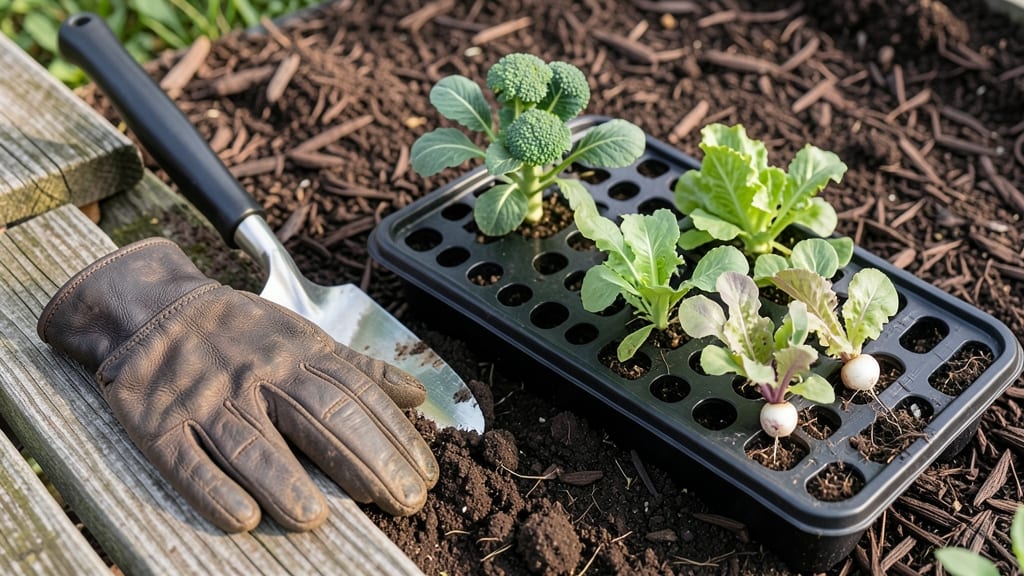
Timing when to plant a fall garden in South Texas isn't just about avoiding frost—it's about working with the heat. While most gardeners panic when temperatures stay above 90°F, local experts know this is actually the perfect window to plant heat-tolerant crops that will thrive when cooler weather arrives.
Between August and October, South Texas gardeners have a unique advantage: the summer heat tapers off just enough to let 🌱 fall vegetables establish strong roots before the first chill.
The key isn't rushing—it's choosing the right crops and planting them at the optimal moment to avoid common pitfalls like bolting or stunted growth.
I've spent years testing what works in USDA Zones 9a-10a, and the results might surprise you. Certain vegetables don't just survive the transition—they thrive in it.
Let me show you exactly which crops to plant, when to put them in the ground, and how to give them the best shot at success.
From heat-resistant greens to root vegetables that love the warm soil, we'll cover everything you need to know to turn your South Texas garden into a fall harvest goldmine—without waiting for winter to arrive.
Optimal planting dates for fall vegetables in South Texas heat zones
South Texas gardeners face a unique challenge: the long, brutal summers that push planting to the edges of possibility. But with strategic timing, you can plant a thriving fall garden that outlasts the heat.
The key? Starting 6-8 weeks before first frost (or by mid-October for most crops) and focusing on heat-tolerant varieties that handle 90°F+ soil temperatures.
Unlike northern climates, South Texas (USDA Zones 9a-10a) rarely sees frost, but cool-season crops still need milder temperatures to thrive. The ideal window for planting is mid-August through September, when daytime highs dip below 95°F and nights cool to 75°F or lower.
This gives plants time to establish roots before October's heat spikes.
Here’s the critical timeline for success in South Texas:
| Month | Planting Window | Soil Temp (°F) | Best Crops | Avoid Planting |
|---|---|---|---|---|
| Mid-August | Heat-tolerant seeds | 85-95°F | Okra, Sweet Potatoes, Malabar Spinach | Lettuce, Spinach |
| September | Transplants & seeds | 80-90°F | Black-Eyed Peas, Collards, Kale | Peppers, Tomatoes (overheat) |
| October | Cool-season crops | 70-80°F | Carrots, Radishes, Broccoli | Cucumbers, Squash |
| November | Late transplants | 65-75°F | Turnips, Lettuce, Green Onions | None (harvest remaining crops) |
🌱 Pro Tip: Use shade cloth for early plantings to protect seedlings from midday sun.
Microclimates matter in South Texas. Coastal areas (like Houston) have higher humidity and longer heat retention, while inland regions (like San Antonio or El Paso) cool faster. Adjust planting dates 1-2 weeks later in urban heat islands (like downtown San Antonio) where pavement retains heat.
For container gardening, start seeds 4-6 weeks earlier since pots heat up faster. Use black plastic mulch to warm soil in early August plantings or straw mulch to cool soil in late September. Both tricks help regulate soil temperatures for optimal germination.
Monitor soil temperature with a soil thermometer—ideal ranges are 70-85°F for most fall crops. If temps stay above 90°F for 3+ days, switch to shade-tolerant varieties like Malabar spinach or Swiss chard. These handle heat stress better than traditional greens.
Don’t wait until October 1st to plant! The earlier you start, the more harvests you’ll enjoy before holiday cooking (yes, that’s a thing in Texas!). Prioritize fast-maturing crops like radishes (25 days) or bush beans (50 days) for quick wins.
🌿
Optimal planting dates for fall vegetables in South Texas heat zones
South Texas's USDA Zones 9a-10a mean we skip traditional "first frost" timelines, but soil temperatures still dictate success. Unlike northern gardens, your fall planting window starts earlier—as early as mid-August for heat-tolerant crops like okra and sweet potatoes.
The key is aligning seedling or transplant dates with cooling trends while avoiding late-season heat spikes.
Most gardeners in Houston, San Antonio, and Corpus Christi aim to plant cool-season crops by late September to harvest before temperatures plummet. However, El Paso and West Texas can handle slightly later plantings due to their higher elevation and cooler nights.
Always check local ag extension reports for real-time soil temp data—ideal soil temps for fall crops range between 60-75°F.
Here’s your month-by-month planting roadmap for South Texas, tailored to heat zones and crop types:
| Month | Heat-Tolerant Crops (Plant Now) | Cool-Season Crops (Wait) | Soil Temp Goal |
|---|---|---|---|
| August | Okra, Sweet Potatoes, Malabar Spinach, Black-Eyed Peas | Lettuce, Broccoli, Cabbage (start indoors) | 70-85°F |
| September | Tomatoes, Peppers, Green Beans, Swiss Chard | Kale, Spinach, Radishes, Carrots | 65-75°F |
| October | Collards, Mustard Greens, Turnips | Cauliflower, Brussels Sprouts (transplant) | 60-70°F |
| November | Garlic (for spring harvest) | None (focus on harvest) | 55-65°F |
🌱 Pro Tip: Use shade cloth for seedlings planted in September to protect from lingering heat.
For container gardens or urban plots, extend your window by 2-3 weeks—containers cool faster. Monitor nighttime temperatures: when they dip below 70°F consistently, it’s time to transition to cool-season staples like lettuce and broccoli.
In West Texas, aim for late September plantings to avoid early frosts, while coastal areas can push into early October safely.
One critical mistake many South Texas gardeners make? Planting too late for heat-loving crops like tomatoes. If you miss the August window, opt for fast-maturing varieties (e.g., 'Celebrity' tomatoes) or switch to winter squash, which thrives in cooler fall soil.
Always test your soil’s pH—aim for 6.0-6.8—and amend with compost to improve drainage in our clay-heavy soils.
Remember: South Texas fall gardens aren’t about avoiding heat—they’re about working with it. Start with heat-tolerant crops, then layer in cool-season plants as temperatures drop. With the right timing, you’ll enjoy harvests from October through December—long after northern gardens have frozen over. 🌿