
Plants
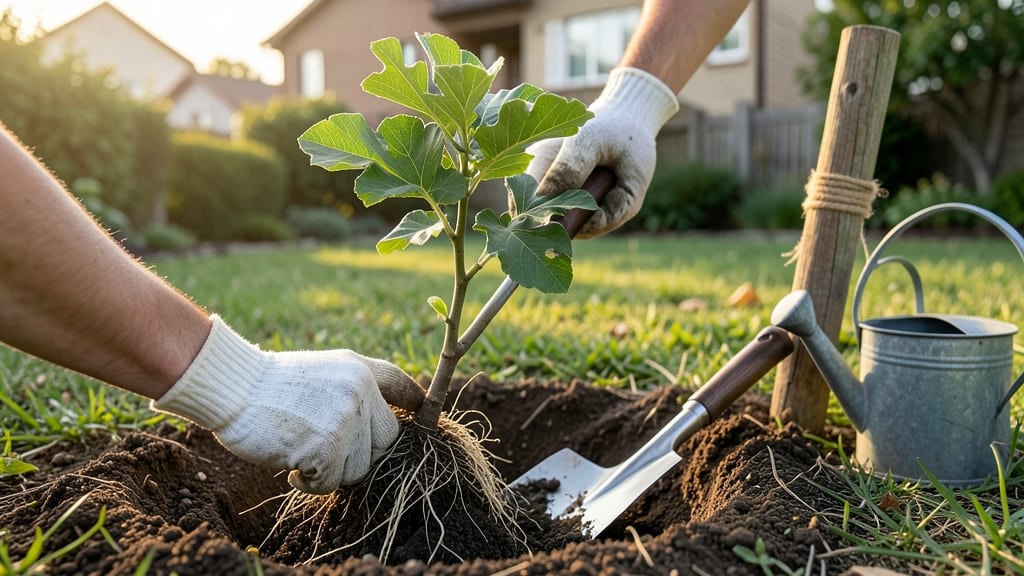
Timing your fig tree planting just right in New York could mean the difference between a thriving 🍈 harvest and a frost-killed sapling. With NY’s 5b-7b zones and unpredictable spring weather, knowing the exact window—late April to early June—isn’t just helpful, it’s essential for survival.
Most gardeners assume figs need Mediterranean heat to thrive, but cold-hardy varieties like ‘Chicago Hardy’ can handle NY winters if planted at the right time. The key?
Waiting until after the last frost (usually around April 15) when soil temperatures hit 60°F—any earlier, and your tree risks stunted growth or worse.
Whether you’re planting in containers for urban patios or directly in well-drained soil, this guide breaks down the exact months to plant, plus pro tips to protect your fig from late frosts and harsh winters. Let’s get your 🍈 off to the best possible start.
You’ll also discover how to choose between bare-root and potted figs, the best soil amendments for NY’s clay-heavy ground, and why a sheltered microclimate (like near a south-facing wall) can add weeks to your growing season. Ready to plant with confidence?
Best planting months for fig trees in New York (by Zone)
New York’s USDA Zones 6-7 offer a narrow window for planting fig trees—timing is everything. Fig trees are tender perennials that struggle with frost, so planting too early or late can spell disaster.
The ideal window is late April to early June, after the last frost date (typically around April 15 in most of NY). This gives roots time to establish before summer heat arrives.
For Zone 6 (colder regions like the Hudson Valley or Adirondacks), aim for late May planting to avoid early fall frosts.
In Zone 7 (Long Island, NYC, and western NY), early May works well. Fall planting is risky—only attempt it in late August to early September if you’re using container-grown trees and can protect them over winter.
Soil temperature is critical—fig trees need at least 60°F soil to root properly. Use a soil thermometer to check before planting. In NY, this usually aligns with mid-May in most areas, but warmer microclimates (like urban heat islands) may allow earlier planting.
Container planting extends your window—you can plant bare-root figs in late spring or even early fall if you move pots indoors during winter. This is my go-to method for Zone 6, as it gives flexibility to protect roots from frost.
Here’s how NY’s frost-free days break down by zone: - Zone 6: ~160 days (May–October) - Zone 7: ~180 days (April–November) Figs need at least 120 days of warmth to fruit, so late spring planting is safest.
🌱 Pro Tip: Check your local Cooperative Extension Service for exact frost dates—NY’s climate varies wildly even between nearby towns!
If you miss the spring window, fall planting is possible but requires extra care. Plant container-grown figs in late August and move them to a protected location (like a garage or insulated shed) before first frost.
I’ve had success with this method using 5-gallon pots—just bury the pot halfway in the ground for stability.
For bare-root figs, plant in early spring (March–April) while dormant, but be prepared to protect roots with mulch or row covers if frost threatens. This method is cheaper but riskier in NY’s climate.
🌿 Key Takeaway: NY’s short growing season demands precision—late spring is non-negotiable for ground planting. Containers buy you flexibility, while microclimates near buildings or south-facing walls can push your window earlier by 2–3 weeks.
After planting, focus on watering deeply weekly and applying 2–3 inches of mulch to insulate roots. In Zone 6, wrap the trunk with burlap or frost cloth for winter protection—this simple step can mean the difference between a dead tree and a thriving one.
Best planting months for fig trees in New York (by Zone)
New York’s USDA Zones 5b-7b create unique challenges for fig trees, but timing your planting right can make all the difference. The ideal window is late April through early June—after the last frost (typically around April 15) and when soil temperatures hit 60°F or warmer.
This timing ensures your tree establishes roots before summer heat arrives.
For Zone 6 (northern NY), aim for late May to early June to avoid late spring frosts. In Zone 7 (Long Island, NYC), you can plant as early as mid-April if your microclimate warms quickly.
Fall planting is risky in NY due to early frosts, but if you must, choose early September for a late-summer transplant.
Soil temperature is more critical than air temperature. Use a soil thermometer to confirm it’s 60°F+ at least 6 inches deep before planting. Cold soil slows root growth, leaving your fig vulnerable to stress. In containers, soil warms faster, so you can plant 2-3 weeks earlier than in-ground.
🌱 NY Fig Tree Planting Comparison
| Zone | Best Months | Soil Temp Requirement | Planting Method |
|---|---|---|---|
| Zone 6 | Late May - Early June | 60°F+ | Container or ground |
| Zone 7 | Mid-April - Early June | 60°F+ | Ground preferred |
| Urban Patios | Late April - Mid-May | 65°F+ | Large containers |
Containers are your best friend in NY’s short growing season. They let you move figs indoors or to sheltered spots during late frosts or winter. Use 15-gallon pots minimum for dwarf varieties, and ensure pots have drainage holes to prevent root rot.
Place containers near south-facing walls to capture extra warmth from reflected sunlight.
Avoid planting fig trees in low-lying areas where cold air pools, especially in Zone 6. Instead, choose sloped sites or raised beds to improve drainage and warmth. If your yard has heavy clay soil (common in NY), amend it with compost and sand to improve drainage—figs hate soggy roots.
Test your soil’s pH too; figs prefer 6.0-7.0.
Pro tip: If you’re buying a bare-root fig, plant it immediately upon arrival to minimize root stress. For potted figs, water thoroughly before transplanting to reduce shock. After planting, mulch with 3-4 inches of wood chips to retain moisture and regulate soil temperature—critical in NY’s fluctuating climate.