
Planting
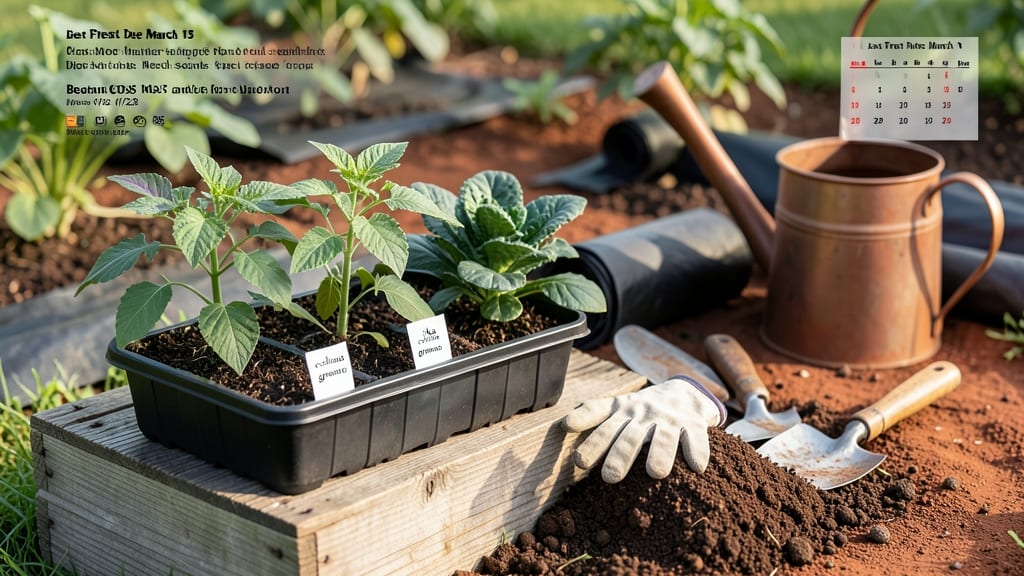
Planting a garden in Georgia at the wrong time can turn your green thumb into a soggy mess—literally. With frost dates shifting from March 15 in the north to as late as April 15 in the south, and summer heat hitting 90°F by May, timing isn’t just important—it’s the difference between a thriving 🌱 harvest and wasted seeds.
You’ve got two prime windows: late February to early April for spring and August to September for fall. But here’s the catch—Georgia’s climate zones (Coastal Plain, Piedmont, Mountains) play by their own rules.
What works in Zone 7a’s cooler north might fry in Zone 8b’s humid south, and vice versa.
I’ll break down the exact deadlines for your favorite General Garden Vegetables, from leafy greens to heat-loving tomatoes, so you can plant with confidence—no more guessing games. Ready to turn your backyard into a year-round edible oasis? Let’s dive into the schedule that’ll have your garden flourishing, not flopping.
We’ll also tackle common mistakes (like planting tomatoes before the soil warms to 60°F) and how to stretch your growing season with fall crops. By the end, you’ll know exactly when to grab those seeds—and when to put them away for another year.
Georgia’s spring planting deadlines by plant type (vegetables, flowers, herbs)
Georgia’s spring planting window is short but sweet, with coastal regions starting as early as late February and mountain areas waiting until mid-April. The key is planting cool-season crops before the last frost and warm-season crops only after soil reaches 60°F.
Let’s break it down by plant type so you don’t miss your chance!
For cool-season vegetables like broccoli, lettuce, and peas, your last planting date is typically 6 weeks before your average last frost. In Zone 7a (north Georgia), that’s usually by mid-March, while Zone 8b (coastal areas) can extend to early April.
These crops thrive in cooler temperatures and can even handle light frosts!
Warm-season crops—think tomatoes, peppers, and cucumbers—need to wait until after your last frost date and when soil temperatures hit at least 60°F. In most of Georgia, this means mid-April to early May.
Planting too early risks stunted growth or even death from cold soil. Use a soil thermometer to check!
| Plant Type | Spring Planting Window | Soil Temp Requirement | Notes |
|---|---|---|---|
| Cool-Season Veggies | Late Feb - Mid-April | 45-60°F | Plant 4-6 weeks before last frost |
| Warm-Season Veggies | Mid-April - Early May | 60°F+ | Wait for soil to warm; use row covers if frost risk |
| Flowers (Annuals) | Late March - Early May | 50-65°F | Marigolds and zinnias tolerate heat; pansies prefer cooler temps |
| Herbs | Late March - Mid-April | 55-70°F | Basil needs warm soil; parsley thrives in cool weather |
If you’re in north Georgia (Piedmont/Mountains), aim for mid-April for warm-season crops, as frost can linger until mid-April. Coastal Georgia gardeners have a longer window—early April is safe for tomatoes and peppers. Always check the UGA Extension’s frost date map for your exact location.
For herbs like basil and cilantro, timing is critical. Basil won’t survive frost and needs warm soil (70°F+), so wait until late April.
Cilantro, however, bolts in heat, so plant it in early spring or fall. Perennial herbs like rosemary and thyme can go in early spring and thrive year-round!
Don’t forget to prep your soil 2-3 weeks before planting. Georgia’s sandy Coastal Plain soil drains fast, while clay-heavy Piedmont soil holds moisture. Amend with compost or aged manure to improve structure. A pH test is also key—most veggies prefer 6.0-7.0.
Pro tip: Use row covers or cold frames to extend your spring planting window by 2-3 weeks. This protects tender seedlings from late frosts and cool nights, giving you an earlier harvest. Just remove covers when temps rise above 70°F to avoid overheating.
Miss the spring window? No problem! Georgia’s fall planting season is just as productive. Many cool-season crops thrive in autumn, and you can even grow warm-season crops like sweet potatoes in early summer for a fall harvest. Stay tuned for our next section on fall planting strategies!
Timing your garden right in Georgia means balancing frost dates, soil temps, and regional microclimates. By following these guidelines, you’ll avoid wasted seeds and stunted plants, setting yourself up for a bountiful harvest. Happy planting!
Fall planting schedule in Georgia: extending your growing season
Georgia’s mild winters create perfect conditions for a fall garden, letting you harvest kale, carrots, and spinach long after summer crops fade. Unlike spring planting, fall offers cooler soil and fewer pests—but timing is critical to avoid early frosts.
The key? Plant 6-8 weeks before your region’s first frost, typically between mid-August and early October in most of Georgia.
In the Coastal Plain, where winters are shorter, you can push planting until late September. Meanwhile, the Piedmont and Mountains require earlier starts (by early August) due to colder nights.
Check the University of Georgia Extension’s frost maps for your exact zone—it’s your best guide to avoiding frost damage.
- Mid-August: Start warm-season crops like sweet potatoes and collard greens from seed.
- Late August: Transplant cool-season veggies (kale, broccoli, lettuce) for September-October harvests.
- Early September: Direct-sow carrots, radishes, and spinach for quick turnarounds.
- Mid-September: Protect tender crops (peppers, tomatoes) with row covers if frost threatens.
- October: Harvest fall greens before hard frosts hit (typically November 15 in most regions).
For perennials and flowers, fall planting is ideal—the cooler weather helps roots establish before winter. Plant pansies, calendula, and garlic in September-October for vibrant spring blooms. Just ensure soil temps stay above 50°F to prevent stunted growth.
Don’t overlook succession planting in fall! Sow fast-growing crops like radishes or lettuce every 2-3 weeks from August through September. This ensures a steady harvest while extending your garden’s productivity. Just remember: water deeply but less frequently as temps drop—overwatering can stunt root growth in cool soil.
Protect your fall garden from early frosts with row covers or cold frames. These simple tools can add 4-6°F of warmth, buying you extra weeks of harvest time. For example, a floating row cover over spinach or kale can delay frost damage until mid-November in the Piedmont.
Fall planting in Georgia rewards patience—just plan ahead, choose cold-hardy varieties, and act fast when frost nears. With the right timing, you’ll enjoy fresh harvests long after summer’s heat fades. 🌿