
Planting
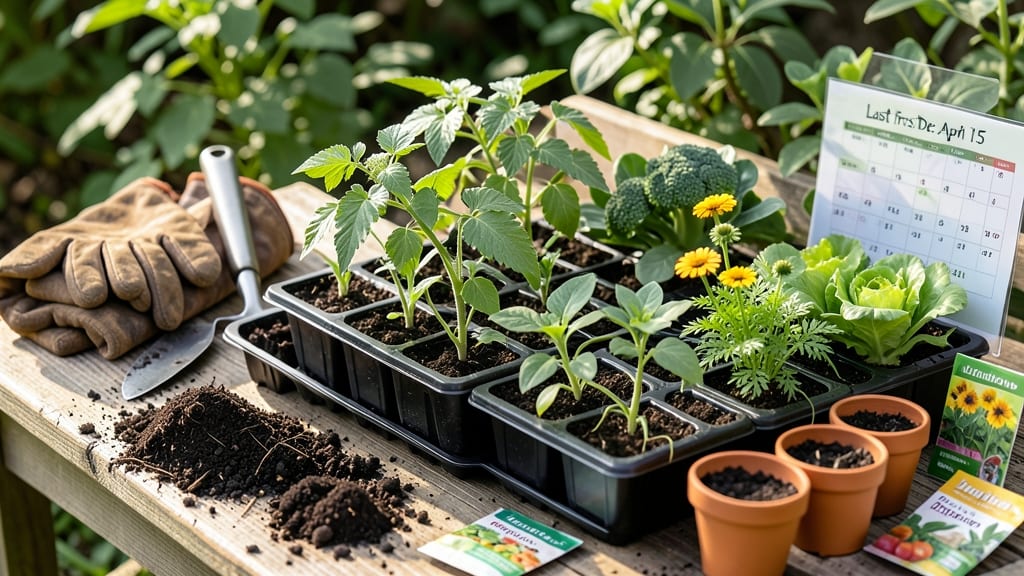
Timing your garden planting in Pennsylvania wrong could mean the difference between a thriving harvest and a frost-killed disaster—especially when you're working with zones 5-7 and unpredictable spring weather.
The exact planting deadlines you need depend on whether you're growing heat-loving tomatoes or cool-season spinach, and missing these windows by even a week can ruin months of prep work.
I’ve spent years tracking frost dates across Pennsylvania’s diverse regions, from Philadelphia’s urban microclimates to rural areas near Pittsburgh, and the patterns are clear: planting too early risks frost damage, while waiting too long cuts your growing season short.
Whether you’re a first-time gardener or a seasoned pro, knowing when to put seeds in the ground—or when to wait—is the key to a successful garden.
What if I told you there’s a simple way to adjust your planting schedule based on local weather trends and soil temperatures? You’ll discover how to use row covers, choose the right varieties for your zone, and even interpret Penn State Extension’s frost forecasts like a pro.
Let’s break down the exact deadlines you need to follow for a garden that thrives from spring through fall.
From early spring peas to late-summer tomatoes, we’ll cover the most critical planting windows for Pennsylvania’s most popular vegetables and flowers. By the end, you’ll know exactly when to plant—so your garden gets the head start it deserves, no matter where you are in the state.
Pennsylvania planting deadlines by zone (5-7) and vegetable type
Pennsylvania’s USDA zones 5-7 create a 6-week window difference between early-spring plantings in the south and late-spring starts in the north. For example, Philadelphia (zone 7b) can plant cool crops by March 15, while Erie (zone 6a) waits until April 15.
These deadlines protect your garden from late frosts that average April 15-May 15 across the state.
Your first step: Check your last frost date using Penn State Extension’s frost calendar. Then, calculate backward from your crop’s days to maturity.
For instance, tomatoes (75 days) need to be in the ground by June 15 in zone 5, but spinach (45 days) can handle March 15 plantings in zone 7.
| Crop Type | Zone 5 Deadline | Zone 6 Deadline | Zone 7 Deadline | Notes |
|---|---|---|---|---|
| Cool-Season Veggies (spinach, peas, lettuce) | March 20 - April 15 | March 1 - April 1 | February 15 - March 15 | Direct sow 4-6 weeks before last frost |
| Warm-Season Veggies (tomatoes, peppers, corn) | May 15 - June 1 | April 30 - May 15 | April 15 - May 1 | Wait until soil reaches 60°F |
| Herbs (basil, cilantro, dill) | April 15 - May 1 | April 1 - April 15 | March 15 - April 1 | Basil needs warm soil; cilantro bolts in heat |
| Perennials (asparagus, rhubarb) | March 1 - April 15 | February 15 - March 30 | February 1 - March 15 | Plant crowns 4" deep in well-drained soil |
| Flowers (marigolds, zinnias, cosmos) | April 15 - May 15 | April 1 - April 30 | March 15 - April 1 | Direct sow after soil warms to 55°F |
For warm-season crops, use row covers to extend your planting window by 2-3 weeks. For example, in zone 5, you can plant peppers under covers as early as April 1 instead of waiting until May 15.
Always check seed packets for days to germination—some varieties (like bush beans) sprout in 7-10 days, while tomatoes take 14-21 days.
Pro tip: Start seeds indoors 6-8 weeks before your last frost date. Use grow lights for 14-16 hours/day to prevent leggy seedlings. For Pennsylvania’s zone 6, that means February 15 for tomatoes and March 1 for peppers.
Keep seedlings at 65-75°F during the day and 55-60°F at night for optimal growth.
Don’t overlook fall planting! Many cool-season crops thrive when planted in August-September. For instance, kale and carrots can be direct-sown in zone 5 until July 31
How to adjust planting times for Pennsylvania’s unpredictable weather
Pennsylvania’s variable frost dates mean you can’t rely on calendar months alone. In Zone 5-7, last spring frosts can range from April 15 in Pittsburgh to May 1 in Philadelphia, while first fall frosts arrive as early as October 15 in rural areas.
To beat the odds, I use a three-step system that accounts for soil warmth, microclimates, and weather forecasts.
First, test your soil temperature with a soil thermometer—most warm-season crops like tomatoes and peppers need 60°F+ soil to thrive.
If your soil is still cold in late May, wait another week rather than risking stunted growth. Cool-season crops like spinach and peas, however, can handle 40°F+ soil and can often be planted as early as March 15 under row covers.
🌱
- 📅 Use frost dates as guidelines, not deadlines. Check Penn State Extension’s local frost maps for real-time updates.
- 🌱 Start cool-season crops indoors 4-6 weeks before last frost, then transplant after soil warms to 50°F+.
- ☀️ Extend your season with row covers—they add 2-4°F warmth and can push planting dates 2-3 weeks earlier.
- 🌿 Choose frost-tolerant varieties like ‘Early Girl’ tomatoes or ‘Sugar Snap’ peas for earlier harvests.
- 📊 Monitor NOAA’s 10-day forecast—if a hard freeze is predicted, cover tender plants with frost cloth.
Microclimates play a huge role in Pennsylvania. Urban areas like Philadelphia often experience urban heat islands, which can delay frost by 1-2 weeks compared to rural zones. If you’re in a warmer microclimate, start planting warm-season crops like cucumbers or squash as early as May 1.
Conversely, high-elevation areas in the Poconos may need to wait until June 1 for safe planting.
Another trick I swear by is succession planting. Instead of planting all your lettuce or carrots at once, stagger plantings every 2 weeks to ensure a continuous harvest. This works especially well for fast-growing crops like radishes or bush beans, which mature in 30-45 days.
For example, plant your first batch of radishes in early April under covers, then follow up with 3 more plantings in May, June, and July for fall harvests.
Finally, don’t ignore fall planting—it’s a game-changer for Pennsylvania gardeners. Cool-season crops like kale, broccoli, and garlic can be planted as late as September 1 in most zones, with harvests stretching into November or December.
Just be sure to mulch heavily to protect roots from early frosts. I’ve had garlic survive 20°F nights with a thick layer of straw mulch, giving me a head start on next year’s crop!
☀️