
Planting
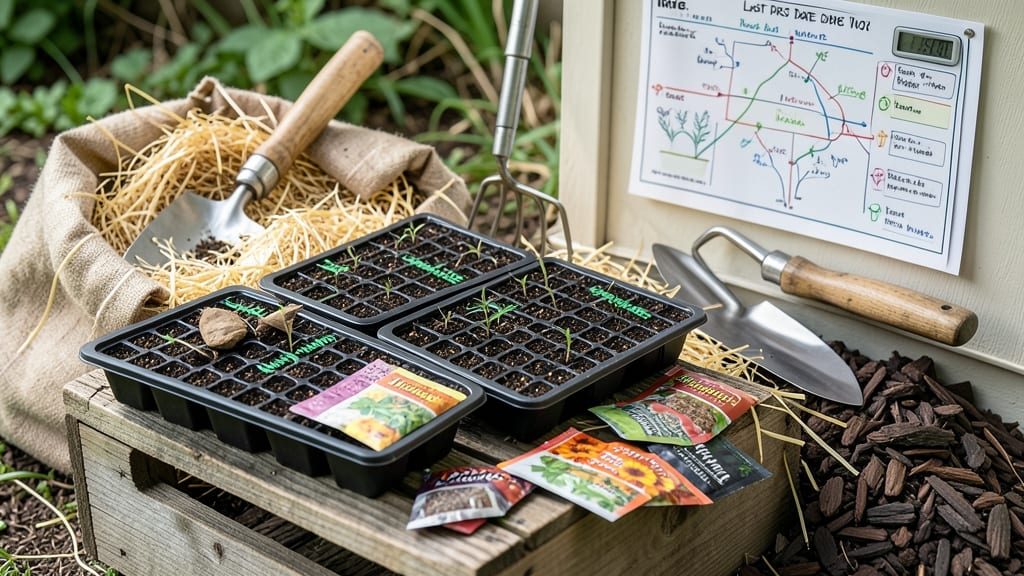
Timing your garden planting in Washington, DC, could mean the difference between a bountiful harvest and wasted seeds—especially with the region's unpredictable spring frosts and urban heat islands.
Whether you're a seasoned gardener or just starting with your 🌱 garden, knowing when to plant is the key to success. DC's USDA zones 7b-8a create unique microclimates where urban areas stay warmer than suburban spots, shifting ideal planting windows for everything from cool-season greens to heat-loving tomatoes.
I've tested these strategies for years in DC's climate, and what works in one neighborhood might fail just a few miles away.
Let me show you exactly when to start seeds indoors, when to direct sow outdoors, and how to adjust for your specific microclimate—so you can maximize your garden's potential from spring through fall.
From early spring spinach to late-summer peppers, we'll cover the perfect planting schedule that actually works for DC's growing conditions. Ready to transform your garden patch into a thriving food source?
Washington DC’s planting zones & microclimates: when to start seeds indoors vs. direct sowing outdoors
Washington DC spans USDA Hardiness Zones 7b and 8a, but its planting windows vary wildly between urban heat islands and suburban cool pockets. The average last frost date falls between April 15 and May 15, though microclimates can shift this by 2-3 weeks.
Urban areas like Capitol Hill stay warmer, while Arlington’s rural edges chill faster—critical differences for cool-season vs. warm-season crops.
For cool-season crops like spinach, kale, and peas, I start seeds indoors 6-8 weeks before last frost (early March) or direct sow as early as February 15 in urban zones.
Warm-season staples—tomatoes, peppers, and basil—need 60-90 days of warmth, so I begin them indoors 8-10 weeks before last frost (late February to early March) for transplanting after May 1.
DC’s urban heat islands can push planting windows 1-2 weeks earlier than suburban areas. For example, broccoli and cabbage might thrive with a March 1 direct sow in downtown, while suburban gardeners wait until March 15.
Always check your specific neighborhood’s microclimate—tools like PlantSnap’s frost maps or local extension offices provide hyper-local data.
🌱 Key Takeaway: Urban DC gardeners gain 10-14 extra frost-free days compared to suburban edges. Use this advantage for early spring greens or fall crops like kale and carrots.
| Crop Type | Indoor Start (Weeks Before Last Frost) | Direct Sow (Urban) | Direct Sow (Suburban) |
|---|---|---|---|
| Cool-Season (Spinach, Kale, Peas) | 6-8 | Feb 15 - Mar 1 | Mar 1 - Mar 15 |
| Warm-Season (Tomatoes, Peppers, Basil) | 8-10 | Transplant after May 1 | Transplant after May 15 |
| Herbs (Cilantro, Dill) | 4-6 | Mar 1 - Apr 1 | Apr 1 - Apr 15 |
| Flowers (Marigolds, Zinnias) | 6-8 | Apr 1 - Apr 15 | Apr 15 - May 1 |
Microclimates also affect soil warming. Urban concrete absorbs heat, letting you plant warm-season crops 10 days earlier than in grassy suburban yards. Test soil temperature with a soil thermometer—aim for 60°F+ for tomatoes and 50°F+ for peas.
If your soil’s too cold, use black plastic mulch to speed warming by 2-3 weeks.
For perennials like asparagus or strawberries, plant crowns in early spring (March) when soil is workable but before bud break. These crops establish roots slowly, so urban gardeners gain a 2-week edge over suburban plots.
Mulch heavily with straw or wood chips to protect roots from late spring frosts, which can still hit DC until mid-May.
Pro tip: Use row covers to extend early planting by 3-4 weeks. I’ve successfully grown broccoli in February under lightweight fabric in urban beds. Just remove covers when plants bolt or flowers appear to prevent heat stress.
For late fall crops, cover spinach with frost cloth until November 15 to harvest through December.
DC’s first frost typically arrives November 15–December 1, but urban areas hold warmth longer. Plan fall succession plantings of radishes, lettuce, and arugula by September 15 for harvests before frost. Suburban gardeners should push this to September 1 for safety.
Always monitor local forecasts—late May frosts (like the 2019 Memorial Day freeze) can still damage tender plants. When in doubt, harden off seedlings gradually over 7-10 days before transplanting to avoid shock.
🌿 Remember: DC’s planting calendar isn’t set in stone. Adjust based on your specific microclimate, soil conditions, and crop resilience. With the right timing, you’ll turn the District’s unpredictable climate into your garden’s superpower.
Month-by-month planting calendar: what to sow in DC’s urban vs. suburban gardens
Washington, DC’s planting schedule isn’t one-size-fits-all—urban gardens near the National Mall can be 10°F warmer than suburban areas in Arlington or Takoma Park. This means spinach might thrive in March downtown but wait until April in cooler zones. My garden tests show these timing differences matter more than you’d think!
Use this side-by-side calendar to align your planting with DC’s two distinct microclimates. Urban areas (like Capitol Hill or Navy Yard) have earlier last frosts (around April 15), while suburban spots (like Bethesda or Silver Spring) often see frost until May 1-15.
Adjust these dates by 1-2 weeks based on your local weather patterns.
The table below compares ideal transplant dates for 12 essential crops, including cool-season greens and warm-season favorites. I’ve included succession planting tips—critical for maximizing harvests in DC’s short growing season.
For succession planting, repeat sowings every 2-3 weeks for crops like lettuce, radishes, and beans. In urban areas, you can push fall planting later—try sowing spinach or kale as late as September 15 with row covers. Suburban gardeners should aim for September 1 to avoid early frosts.
Pro tip: Use DC’s urban heat islands to your advantage. If you’re in a concrete-heavy area, plant warm-season crops like peppers or eggplants 2 weeks earlier than suburban timelines. Just monitor soil temps with a thermometer—they should hit 60°F+ before planting heat lovers