
Plants
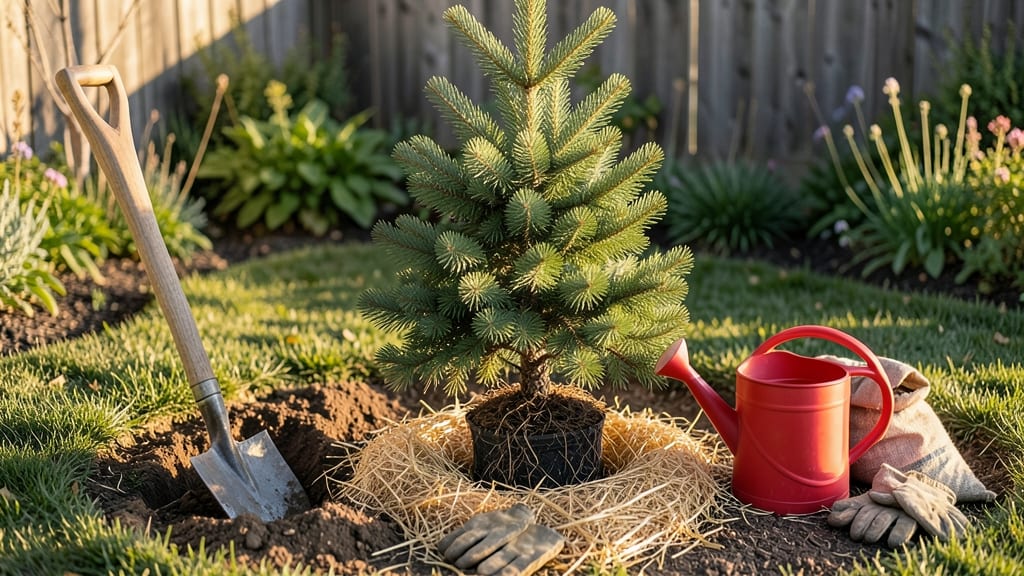
Planting a tree in Colorado at the wrong time can turn your hard work into a sad, frost-nipped sapling—yet most gardeners miss the perfect windows because elevation and microclimates throw off timing. The Front Range’s 5-7 USDA zones don’t play by the same rules as the High Plains or mountain foothills, where frost sneaks in earlier or lingers later.
If you’ve ever wondered why your neighbor’s 🌳 thrived while yours struggled, timing is the key. Colorado’s frost dates shift dramatically—Denver’s last freeze might be May 15, but Colorado Springs sees it by May 1. Planting too early risks cold shock; too late, and roots won’t establish before winter.
I’ll break down the exact planting windows for your elevation zone, from late winter’s first thaw to fall’s golden opportunity. Whether you’re in the dry plains or the cooler mountains, you’ll learn how to align your tree’s growth with Colorado’s unpredictable climate.
Ready to skip the guesswork? Let’s dive into the frost-date map that’ll help your tree grow strong—and stay that way.
Colorado’s frost-date zones: when to plant trees by elevation
Colorado’s dramatic elevation changes—from the High Plains at 3,500 feet to mountain peaks over 14,000 feet—create wildly different frost timelines. Planting a tree in Denver’s USDA Zone 5b (elevation 5,280 ft) requires a different strategy than planting in Durango’s Zone 6a (6,500 ft) or Steamboat’s Zone 4b (6,800 ft).
These variations mean your last frost date could shift by 4+ weeks, making timing everything.
Most Colorado gardeners focus on spring planting (March–April) or fall planting (September–October), but the ideal window shifts with elevation.
For example, Front Range cities like Denver and Colorado Springs typically see their last frost around May 15, while Western Slope towns like Grand Junction may wait until May 25.
Meanwhile, high-elevation areas like Leadville (10,152 ft) can experience frost year-round, limiting planting to late June–early September.
Below is a region-specific guide to Colorado’s frost-date zones, including USDA hardiness zones, average last/first frost dates, and optimal planting windows for each elevation band. Use this to align your tree planting with soil warmth and frost risk—critical for root establishment.
🌱
Colorado Tree Planting by Elevation Zone
| Elevation Zone | USDA Zone | Avg. Last Frost | Avg. First Frost | Best Planting Window | Notes |
|---|---|---|---|---|---|
| High Plains (3,500–5,500 ft) | Zone 5a–6a | May 1–15 | Oct 15–30 | Spring: March 15–April 30 Fall: Sept 15–Oct 15 |
Dry climate; water deeply after planting. |
| Front Range (5,500–7,500 ft) | Zone 5b–6b | May 10–20 | Oct 1–15 | Spring: April 1–May 15 Fall: Sept 1–Oct 10 |
Urban heat islands delay frost; verify local data. |
| Foothills (7,500–9,500 ft) | Zone 5b–7a | May 15–25 | Sept 25–Oct 10 | Spring: April 15–May 30 Fall: Sept 10–Oct 5 |
Microclimates common; watch for late frosts. |
| Mountains (9,500–11,500 ft) | Zone 4a–5b | June 1–15 | Sept 10–20 | Spring: May 15–June 30 Fall: Aug 15–Sept 15 |
Short growing season; choose cold-hardy species. |
| High Elevation (11,500+ ft) | Zone 3a–4b | June 15–July 15 | Aug 15–Sept 10 | Late Summer Only: July 1–Aug 31 | Limited species; protect from wind and frost. |
Source: Colorado State University Extension, 2023 Frost-Free Date Maps
For spring planting, aim to get trees in the ground 4–6 weeks before your area’s last frost date.
This gives roots time to establish before soil temperatures drop below 50°F—critical for deciduous trees like oak or maple. Evergreens, such as blue spruce or pine, can handle slightly cooler soil but still need protection from late-season frosts.
Fall planting is ideal for bare-root trees because cooler temperatures reduce transplant shock. However, plant at least 6 weeks before the first frost to allow roots to harden off.
In high-elevation zones, this might mean planting as early as August to avoid early snow or ground freezing.
Pro tip: Use Colorado State University’s frost-date maps (available via their Extension Office) to pinpoint your exact last frost date. For example, Fort Collins (Zone 5b) has a last frost around May 10, while Grand Junction (Zone 7a) waits until May 25.
These nuances can make or break your tree’s survival.
🌿
One common mistake is assuming all of Colorado follows the same timeline. For instance, Denver’s urban heat island can delay frost by 1–2 weeks compared to rural areas just 20 miles away.
Similarly, south-facing slopes warm up faster than north-facing ones, creating microclimates where frost risk varies by just a few hundred feet.
To verify your local frost dates, check resources like the National Oceanic and Atmospheric Administration (NOAA) or your county extension office. They
Best tree species for Colorado planting timelines
Colorado’s diverse elevation zones mean not all trees thrive year-round. For example, blue spruce loves the mountains, while Russian olive dominates the arid plains. Each species has its own planting window and cold-hardiness requirements to ensure survival.
I’ve narrowed down the best tree species for Colorado, categorized by their ideal planting months and elevation preferences. Whether you’re in the Front Range or the High Plains, these trees are proven winners when planted at the right time.
🌱 Key Takeaway: Plant deciduous trees in early spring (March–April) and evergreens in early fall (September–October) for best results.
| Species | Ideal Planting Months | Elevation Zone | Cold-Hardiness Notes |
|---|---|---|---|
| Colorado Blue Spruce | September–October | Mountains (6,000–10,000 ft) | Thrives in USDA Zone 4–7; avoid planting in late fall when frost is imminent. |
| Russian Olive | March–April | High Plains (3,000–5,000 ft) | Drought-tolerant; plant after last frost in Zone 5–8. |
| Aspen | March–April | Foothills (5,000–8,000 ft) | Fast-growing; needs well-draining soil and full sun. |
| Apple Tree | September–October | Front Range (5,000–7,000 ft) | Best in Zone 5–7; plant bare-root in fall for winter dormancy. |
| Ponderosa Pine | September–October | Mountains (6,000–9,000 ft) | Native to Colorado; plant in well-drained slopes. |
For fruit trees like apples or cherries, fall planting is ideal because roots establish before winter dormancy. Meanwhile, evergreens like blue spruce need early fall planting to avoid winter stress.
Pro tip: Check the USDA Plant Hardiness Zone Map for your exact location. For example, Denver (Zone 5b) has a later last frost than Colorado Springs (Zone 6a), so adjust your timing accordingly.
If you’re unsure about your zone, use the Colorado State University Extension’s frost-date tool to pinpoint the safest planting window for your area. With the right species and timing, your tree will grow strong and resilient—no frost damage in sight! 🌳