
Plants
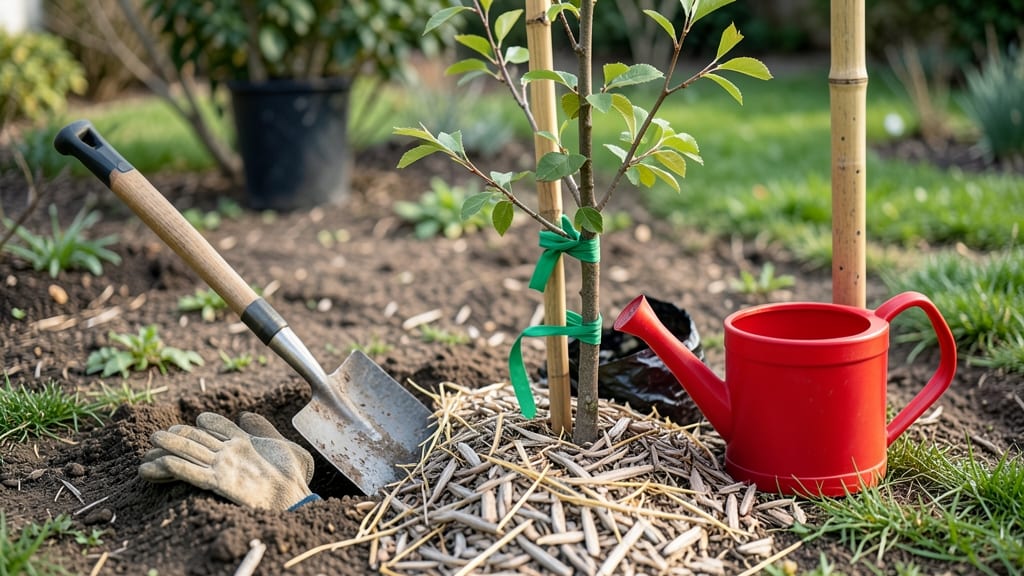
Timing when to plant a tree in the ground isn’t just about grabbing a shovel and digging—it’s the difference between a thriving 🌳 and years of struggling growth. Many gardeners assume spring is the only safe bet, but fall often gives young roots a head start before winter’s chill.
If you’ve ever planted a tree only to watch it limp through the first summer, you know how critical this decision really is.
In USDA Zone 6a, where frosts can still bite in April and October, the window for success narrows. Planting too early means battling soil that’s still cold and compacted, while waiting too long risks exposing roots to winter’s freeze-thaw cycles.
The key? Understanding how your local climate plays into the dormant season—and why fall might just be your best bet for long-term health.
I’ve seen firsthand how a tree planted in early spring can struggle to establish roots before the heat sets in, while one planted in late fall often wakes up stronger in spring. But there are exceptions—like container-grown trees that can go in almost year-round (except winter).
Let’s break down the science behind these timing rules and how to apply them to your yard, no matter where you live.
Ready to avoid common mistakes and give your tree the best possible start? You’ll learn how to read your soil, adjust for microclimates, and even override traditional advice when it doesn’t fit your landscape. Let’s get those roots growing the right way.
Best times to plant trees by USDA climate zones
Timing your tree planting right depends on where you live. The USDA climate zones (3-11) dictate the best windows for planting, with spring and fall being the safest bets for most regions.
In cooler zones (3-6), fall planting often outperforms spring, while warmer zones (7-11) can handle spring or even winter planting. Let’s break down the ideal months for each zone to maximize root growth and survival.
For coastal areas, micro-climates can shift planting windows by weeks. Inland zones often experience more extreme temperature swings, requiring earlier planting to avoid summer heat stress. Always check your last frost date—planting too early risks frost damage, while waiting too long limits root establishment before winter.
Here’s a quick reference for optimal planting windows by zone, including adjustments for container-grown vs. bare-root trees:
In Zone 6a (like much of the Midwest), I’ve seen the best success planting in early spring (March-April) or late fall (October-November). The goal is to give roots 6-8 weeks of warm soil before winter dormancy or summer heat.
For example, a red oak planted in mid-May in my zone struggled through a dry summer, while one planted in October thrived with established roots by spring.
If you’re in a coastal zone (e.g., Zone 8 near San Francisco), your micro-climate may allow winter planting (December-February) thanks to milder temperatures. However, avoid planting during heavy rain periods, as soggy soil can suffocate roots.
Always test your soil’s moisture and temperature—aim for 50-60°F soil temps for optimal root growth.
For drought-prone areas (Zones 9-11), planting in late fall takes advantage of winter rains, while spring planting in February-March avoids the intense summer dry spells. In my experience with desert-adapted trees like palo verde, fall planting reduces watering needs by up to 30% the first year.
One common mistake? Planting in late summer when soil is dry and temperatures are high. Trees planted in August in Zone 7 often suffer from transplant shock because they can’t establish roots before winter. Instead, shift to September for cooler soils and better survival rates.
Regardless of zone, always amend the soil with compost or organic matter before planting. This improves drainage and nutrient availability, especially critical for heavy clay soils (common in Zones 4-6) or sandy soils (Zones 7-10).
A simple soil test can reveal pH imbalances—aim for a slightly acidic to neutral range (6.0-7.0) for most trees.
Finally, water deeply after planting and maintain consistent moisture for the first 12 months. Mulching with 3-4 inches of organic mulch retains moisture and regulates soil temperature. In Zone 5, I’ve seen mulched trees survive winter with 20% less ice damage than unmulched counterparts.
🌳
Spring planting: key factors that determine success
Spring planting might seem like the obvious choice—after all, who doesn’t love watching new growth burst from the soil? But timing within spring is everything, and getting it wrong can leave your tree struggling through the first summer heatwave.
The real magic happens when soil temperatures hit 45°F (7°C) or warmer, signaling roots can finally spread without freezing. In USDA Zone 6a, that often means waiting until mid-April after the last frost, but coastal areas may see earlier opportunities thanks to milder microclimates.
Don’t rush to plant as soon as snow melts—cold, compacted soil can strangle young roots. Instead, test soil moisture by squeezing a handful: if it crumbles easily, it’s ready.
Pro tip: Container-grown trees are more flexible than bare-root varieties, giving you a slightly wider window to plant in early spring without risking transplant shock.
🌱
One common mistake? Assuming all trees thrive with the same spring timing. Fast-growing species like willows or poplars can handle early planting, while slow-growing oaks need that extra time for root establishment.
Always check your tree’s specific needs—some, like fruit trees, benefit from late-winter dormancy breaking to avoid spring frost damage to blossoms.
For container-grown trees, you’ve got more flexibility—plant anytime soil isn’t frozen, even in early spring. But bare-root trees? Stick to early spring or fall for best results.
The key is matching your tree’s natural growth cycle with your local climate’s rhythm. And remember: Mulch heavily after planting to lock in moisture and regulate soil temperature.
🌿