
Planting
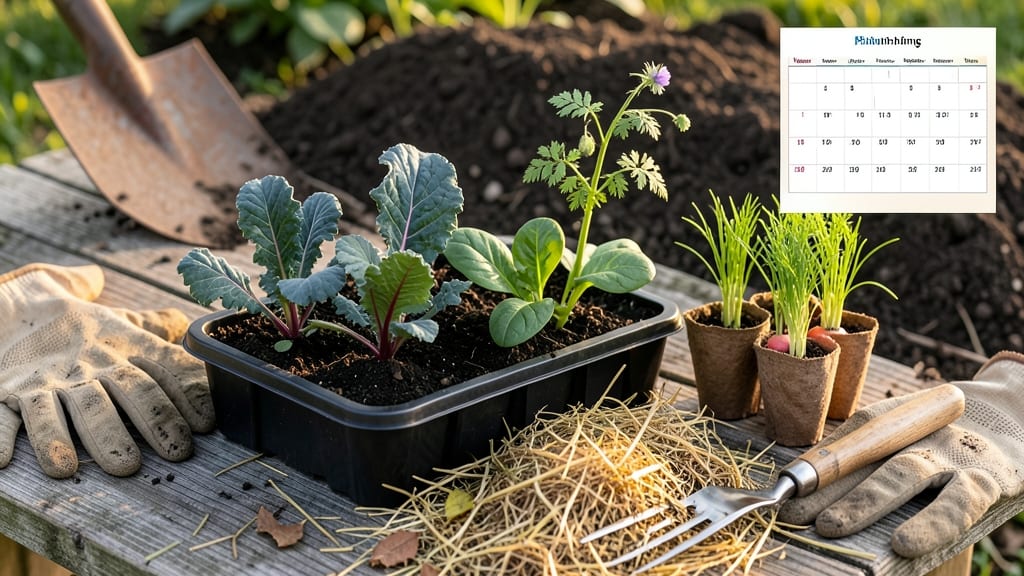
Timing when to plant a vegetable garden in New Brunswick can make or break your harvest—especially when coastal Saint John and inland Fredericton have wildly different frost dates. One region might be ready to plant peas by late April, while the other still has snow on the ground.
Getting this right means avoiding wasted seeds and frustrated gardening sessions. Whether you're a first-timer or a seasoned grower, knowing when to start your vegetable garden in New Brunswick is the key to a thriving plot.
I’ll break down the exact windows you need, plus how to adjust for your specific location.
You’ll learn which crops to plant as early as April (like spinach and kale) and which to wait for until June (tomatoes and peppers). We’ll also cover how to extend your growing season with simple tricks that work in both coastal and inland zones.
Ready to turn your garden dreams into reality? Let’s dive into the perfect planting schedule for your New Brunswick 🥬 vegetable garden—so you can enjoy fresh homegrown food all season long.
New Brunswick planting zones: coastal vs inland start dates explained
New Brunswick’s diverse climate creates two distinct gardening worlds: the milder coastal regions and the colder inland areas. The average last frost date varies by 1–2 weeks, with coastal areas like Saint John typically warming 7–10 days earlier than inland cities like Fredericton.
This difference means your planting schedule should shift based on where you live—especially for heat-loving crops like tomatoes and peppers.
Most of New Brunswick falls within USDA Hardiness Zones 5b–6a, but microclimates matter. Coastal areas experience warmer winters and cooler summers due to ocean influence, while inland zones see hotter summers and colder snaps.
For example, Saint John (Zone 5b) can plant cold-hardy crops like spinach 2 weeks earlier than Fredericton (Zone 5a).
Understanding these zones helps you avoid frost damage to young plants. The New Brunswick Department of Agriculture recommends waiting until soil reaches 50°F (10°C) for most vegetables, but tomatoes and peppers need 60°F (15°C) soil. Use a soil thermometer to check—especially in cooler coastal areas where soil warms slower.
Here’s how the two regions differ in key planting windows:
| Factor | Coastal (e.g., Saint John) | Inland (e.g., Fredericton) |
|---|---|---|
| Average Last Frost | Mid-May | Late May |
| First Planting Window | Late April (cold-hardy crops) | Early May (cold-hardy crops) |
| Heat-Loving Crops (Tomatoes, Peppers) | Late May–Early June | Early–Mid June |
| Fall Planting Window | Late July–Early August | Early–Mid August |
| Soil Warms to 60°F | Early June | Mid–Late June |
| Wind Exposure Risk | High (use windbreaks) | Moderate (less wind) |
For coastal gardeners, prioritize wind-resistant crops like kale, peas, and carrots, which thrive in cooler, breezier conditions. Inland gardeners can push the limits with heat-loving crops like sweet corn and cucumbers, but watch for late-season frost risks.
Both regions benefit from season extenders like row covers or cold frames to push harvests later into fall.
Pro tip: Use New Brunswick’s Frost-Free Calculator from the Atlantic Canada Horticultural Research Foundation to pinpoint your exact last frost date. This tool accounts for local variations—critical for coastal vs. inland planning. For example, Campobello Island (coastal) may plant radishes 3 weeks earlier than Woodstock (inland) without risking frost damage.
If you’re in a transition zone (e.g., near the Bay of Fundy), err on the side of caution. Plant cold-hardy crops like spinach and lettuce in early April under row covers, then transition to warmer crops after Memorial Day weekend.
This staggered approach maximizes your harvest window and minimizes losses.
Don’t overlook fall planting—New Brunswick’s first frost typically hits mid-October, leaving plenty of time for cool-season crops. Coastal areas can squeeze in bush beans and turnips until early September, while inland zones should start by late July for a successful fall harvest.
Use black plastic mulch to warm soil faster in cooler inland zones.
For container gardening, coastal gardeners gain an edge—their soil warms faster in pots. Start tomato and pepper seedlings indoors by mid-April and transplant after the Victoria Day long weekend (early May). Inland gardeners should delay until after June 1 to avoid chilly nighttime temps that stunt growth.
Remember: Soil temperature matters more than air temperature. Test it with a soil thermometer—if it’s below 50°F (10°C), wait. Coastal soils stay cooler longer due to marine influence, while inland soils heat up faster in sunny, sheltered spots. Adjust your
Best vegetables to plant by month in New Brunswick (with local tips)
New Brunswick’s microclimates mean your May planting in Saint John might differ by weeks from Fredericton. Coastal areas like Saint John often enjoy warmer springs (planting starts 2–3 weeks earlier), while inland zones like Fredericton face later last-frost dates (mid-May vs late May).
Plan ahead using this month-by-month guide tailored to your region.
Start with cold-hardy crops like peas, spinach, and kale in early April (coastal) or late April (inland). These thrive in 40–50°F soil and can handle light frosts.
For heat-loving plants like tomatoes, peppers, and squash, wait until soil reaches 60°F+—typically late May to early June—to avoid stunted growth.
🌱 Coastal (e.g., Saint John) vs Inland (e.g., Fredericton) Planting Windows
| Month | Coastal (Saint John) | Inland (Fredericton) |
|---|---|---|
| April | Peas, spinach, lettuce (after light frost) | Wait until late April (soil >45°F) |
| May | Carrots, radishes, early potatoes | Broccoli, cabbage, onions (soil >50°F) |
| June | Tomatoes, peppers, cucumbers (after frost) | Same as coastal (soil >60°F) |
| July–August | Fall crops: kale, beets, turnips | Same (extend season with row covers) |
For coastal gardeners, prioritize wind-resistant plants like bush beans and Swiss chard. Use windbreaks (e.g., corn stalks or fencing) to protect delicate lettuce or cabbage.
Inland gardeners should focus on soil warming—cover beds with black plastic mulch 1–2 weeks before planting tomatoes or peppers to speed up germination.
Don’t overlook fall planting! Kale, Brussels sprouts, and carrots thrive when sown in late July to early August for harvests through October or November. Use row covers to shield young plants from early frosts (common after mid-October).
Local tip: New Brunswick’s long daylight hours in summer mean faster growth—take advantage by succession planting!
Test your soil pH before planting (ideal: 6.0–7.0 for most veggies). Amend with lime (to raise pH) or peat moss (to lower pH) based on results. Coastal soils often need more organic matter due to sandy textures, while inland areas may benefit from gypsum to improve drainage.
Pro tip: Use New Brunswick’s Canada Agriculture and Food Agency frost maps to track real-time updates. For coastal areas, aim for May 15 as your last-frost cutoff; inland, wait until May 30. Happy planting—your harvest depends on it! 🌱