
Plants
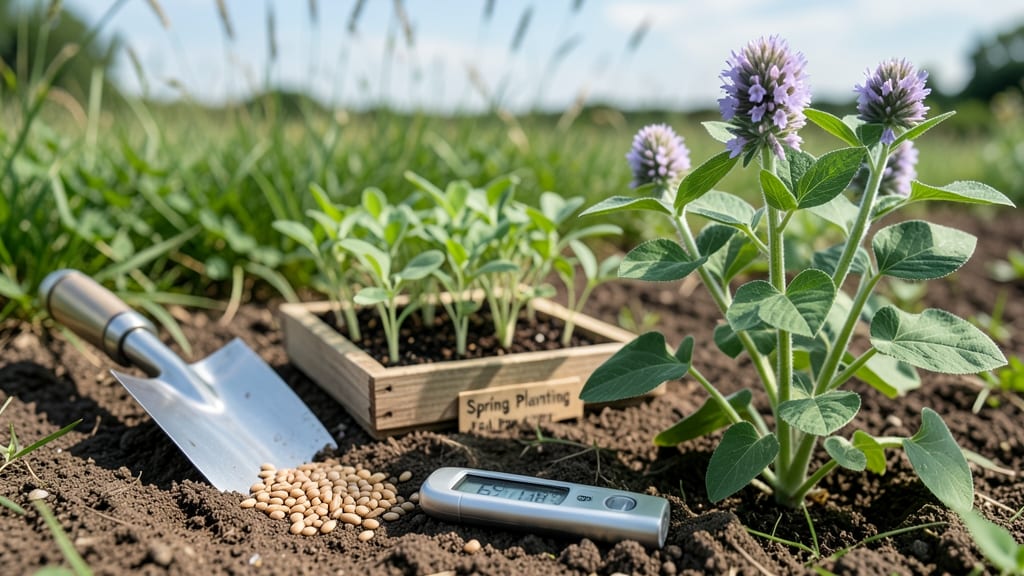
Planting alfalfa in Georgia at the wrong time can leave you staring at stunted 🌱 sprouts instead of a lush, high-yielding crop. The key to success lies in understanding your local frost dates, soil temperatures, and how Georgia's unique climate affects growth windows.
Most gardeners in USDA Zones 7b-8b get their best results by planting between late February and early March, but timing varies by region. Whether you're in North Georgia's cooler hills or South Georgia's warmer plains, getting the soil temperature just right—between 55°F and 70°F—makes all the difference.
In this guide, I'll walk you through the exact frost-free window for your area, how to adjust planting dates based on microclimates, and the simple soil prep tricks that keep alfalfa thriving.
You'll learn how to avoid common mistakes that waste time and money, so you can start harvesting by late spring.
Ready to turn your alfalfa patch from a gamble into a guaranteed harvest? Let's dive into the perfect planting schedule tailored for Georgia's growing conditions.
Georgia’s best planting windows for alfalfa by month (soil temp guide)
Alfalfa thrives in Georgia’s warm climate, but planting too early or late can stunt growth or invite pests. The ideal soil temperature for germination is between 55–70°F, with March and April offering the perfect balance of warmth and moisture.
Understanding your USDA Hardiness Zone (7a–8b) helps fine-tune timing, especially in North Georgia vs. South Georgia.
Southern Georgia gardeners can start as early as late February, while northern regions should wait until mid-March to avoid frost damage. Alfalfa’s deep roots need well-drained soil, so test your soil’s pH (6.5–7.5) and amend with compost if needed.
A frost-free window of at least 210 days ensures a full growing season.
Here’s a quick breakdown of Georgia’s alfalfa planting windows by month, including soil temperature thresholds and frost risks:
| Month | Soil Temp (°F) | Frost Risk | Planting Note |
|---|---|---|---|
| February | 45–55°F | High (North GA) | Risky; wait until soil warms |
| March | 55–65°F | Low | Best for North GA; ideal for South GA |
| April | 65–75°F | None | Peak germination; avoid drought stress |
| May | 70–80°F | None | Late planting; prioritize irrigation |
For fall planting, aim for late August to early September in South Georgia, where soil stays warm longer. In North Georgia, September is safer to avoid early frosts. Alfalfa planted in fall may not fully mature but establishes roots for spring regrowth.
Always check your local frost dates—North Georgia’s last frost typically hits mid-March, while South Georgia sees frost as late as early December.
If you’re in Zone 7a (North GA), delay planting until mid-April to ensure soil stays above 55°F for at least 2 weeks. Use a soil thermometer to confirm—alfalfa seeds won’t sprout below 50°F.
In Zone 8b (South GA), you can plant as early as February, but monitor for unseasonable cold snaps, which can kill young seedlings.
Pro tip: Mulch lightly after planting to retain soil warmth and moisture. Alfalfa’s deep taproot benefits from consistent soil temps, so avoid tilling once established. For organic matter, mix in compost or aged manure before planting to boost nutrient availability.
Remember, alfalfa’s harvest window opens 90–120 days after planting. If you’re aiming for a spring harvest, plant in March; for a fall harvest, plant in August. Adjust for your local elevation—higher areas (like the Blue Ridge Mountains) may need a 2-week delay.
🌱
Georgia’s best planting windows for alfalfa by month (soil temp guide)
Alfalfa thrives in Georgia’s warm climate, but planting at the wrong time can lead to slow germination or even seed rot. The ideal soil temperature for alfalfa seeds is between 55°F and 70°F, which typically aligns with late winter to early spring in most of the state.
For North Georgia (USDA Zone 7b), aim to plant between mid-February and early March after the last frost date. In South Georgia (Zone 8b), you can start as early as late January in warmer microclimates, but wait until February for safer germination.
Here’s a quick reference for planting alfalfa in Georgia by month, including soil temperature requirements and frost risk:
| Month | Soil Temp (°F) | Frost Risk | Best for |
|---|---|---|---|
| January | 45–55°F | High (North GA) | South GA only (warm microclimates) |
| February | 50–65°F | Moderate | Statewide (ideal for North GA) |
| March | 60–70°F | Low | Best for all regions |
| April | 65–75°F | None | Late planting (lower yield) |
While spring planting (February–March) is ideal, some gardeners in South Georgia also experiment with fall plantings in September for an early spring harvest. However, this requires careful monitoring of first frost dates (typically mid-November in North GA and early December in South GA).
For best results, always test soil temperature with a soil thermometer before planting. If temperatures drop below 55°F, germination slows dramatically, and seeds may rot. Wait for consistently warm soils to ensure strong, healthy sprouts.
Pro tip: In North Georgia, use black plastic mulch to warm the soil faster if you’re planting early. This can shave off 1–2 weeks from your planting schedule by raising soil temps by 5–10°F.