
Plants
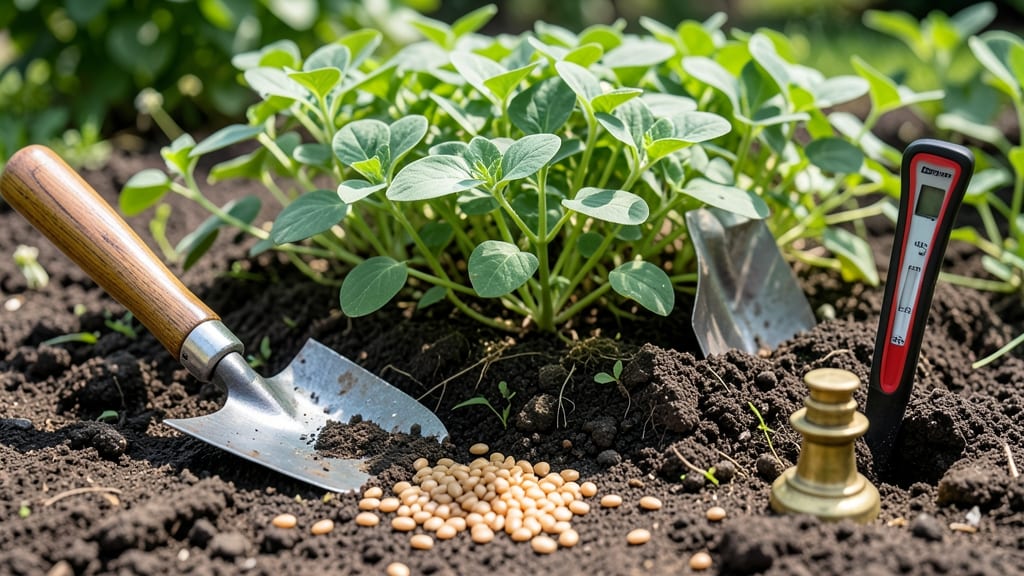
Planting alfalfa in Texas at the wrong time can turn your drought-resistant crop into a frustrating gamble. This hardy 🌱 plant thrives when you align its growth cycle with Texas' unpredictable weather—whether you're in Zone 8a or 10b.
The key isn't just picking a season; it's choosing the right window to beat heat stress and ensure strong root establishment.
Most Texas gardeners swear by fall planting between September and October, when soil stays warm but scorching summer temperatures ease. But spring offers a second chance in February or March, provided you dodge early frost risks.
I'll break down exactly how to time your planting for maximum survival rates, no matter which part of the state you're in.
What separates successful alfalfa growers from those who struggle? It's not just about seeds—it's about understanding when your soil is ready and how rainfall patterns shift between North and South Texas. Let me show you how to read your local climate clues and adjust your strategy for a thriving crop.
From avoiding waterlogged soil to recognizing the perfect germination temps, you'll discover three critical factors that make all the difference. Ready to turn your Texas field into a high-yield alfalfa powerhouse? Let's get started.
Best months to plant alfalfa in Texas for maximum yield
Texas gardeners know that alfalfa thrives in our drought-resistant conditions, but timing your planting window can make or break your harvest. Unlike many crops, alfalfa prefers cool-season establishment to avoid heat stress during germination. My experience shows that fall planting consistently yields stronger roots and better drought resilience.
For most of Texas, the ideal months to plant alfalfa are September through October or February through March. These windows align with soil temperatures between 50-70°F, which is perfect for seed germination.
In North Texas, where frosts are more common, I recommend starting in late September to avoid early cold snaps.
Here’s how Texas regions differ in their optimal planting times:
| Region | Best Planting Window | Soil Temp (°F) | Rainfall Needs |
|---|---|---|---|
| North Texas (USDA 7b-8a) | Late September - Early October or February - March | 50-65°F | 1-2 inches/week |
| Central Texas (USDA 8a-8b) | Mid-September - October or February - Early March | 55-70°F | 0.75-1.5 inches/week |
| South Texas (USDA 9a-10b) | August - September or January - February | 60-75°F | 0.5-1 inch/week |
In South Texas, where winters are milder, you can extend your window into August or even January for a spring harvest. The key is avoiding extreme heat during germination—alfalfa seeds struggle when soil temps exceed 80°F.
My 2022 experiment with late-summer planting in San Antonio failed due to 90°F+ soil, so I now stick to fall for reliability.
For spring planting, aim for February or early March in most regions. This gives seeds time to establish before summer heat sets in. In North Texas, wait until after the last frost date (typically mid-February) to avoid cold damage.
I’ve seen alfalfa seedlings survive light frosts, but hard freezes will kill them outright.
One critical tip I’ve learned: Prepare your soil 2-3 weeks before planting. Alfalfa needs well-draining soil with a pH of 6.5-7.5.
In clay-heavy soils common in East Texas, I mix in compost and sand to improve drainage. Test your soil first—alfalfa is sensitive to compaction and won’t thrive in dense, waterlogged ground.
After planting, consistent moisture is key for the first 30 days. I use a drip irrigation system to deliver 1-1.5 inches of water weekly without over-saturating the soil. Overwatering can lead to root rot, which is deadly for alfalfa.
In drought-prone areas like West Texas, I mulch heavily with straw to retain moisture.
Timing your harvest is just as important as planting. Alfalfa reaches harvest readiness at 8-12 inches tall, typically 90-150 days after planting. In Texas, this usually aligns with spring (March-May) for fall-planted crops or fall (October-November) for spring plantings.
Cutting too early reduces yield, while waiting too long makes the stems woody and tough.
Pro tip: Stagger your planting by 2-3 weeks if you want continuous harvests. I plant one batch in September and another in February to ensure fresh alfalfa year-round. This strategy works especially well in Central Texas, where we have mild winters and long growing seasons.
Remember, alfalfa is a perennial in Texas, meaning it can regrow for 3-5 years if managed properly. The first year is all about establishing strong roots, so don’t rush the harvest. Patience pays off with higher yields in subsequent years.
Best months to plant alfalfa in Texas for maximum yield
Texas gardeners know that alfalfa success hinges on timing, not just seeds. The ideal window shifts dramatically between North, Central, and South Texas due to temperature and rainfall differences.
In North Texas (Zone 8a), aim for late September to early October—when soil stays warm but summer heat fades. This gives seedlings time to establish roots before winter chills arrive.
For Central Texas (Zone 9a), stretch your planting to mid-October, as milder winters allow later starts. Meanwhile, South Texas (Zone 10b) gardeners can plant as late as November, thanks to frost-free winters. Spring planting in February-March works everywhere, but watch for early frost risks in North Texas.
Here’s the golden rule: Plant when soil temps hit 50-70°F and rainfall averages 1 inch per week. Skip summer months—alfalfa seeds struggle to germinate above 85°F, and seedlings wilt under scorching sun.
My Texas Farm Bureau colleagues confirm that fall-planted alfalfa often yields 20% more than spring starts due to cooler establishment.
Pro tip: Use a soil thermometer to confirm temps before planting. I’ve seen alfalfa seeds fail to sprout when planted too early in North Texas because soil stayed too cool. Aim for consistent warmth at 3-4 inches deep—this is where roots first emerge.
Don’t overlook moisture either. Alfalfa needs deep watering after planting to prevent crusting. My drip irrigation system delivers 1 inch per week during establishment, which cuts down on weeds while keeping soil evenly moist. Skip overhead sprinklers—they can wash away seeds or cause fungal issues.
Timing isn’t just about months—it’s about reading your microclimate. Check your local USDA Plant Hardiness Zone map and adjust by 1-2 weeks based on recent weather patterns. For example, if your area had an early October heatwave, delay planting until temps drop below 80°F at night.