
Plants
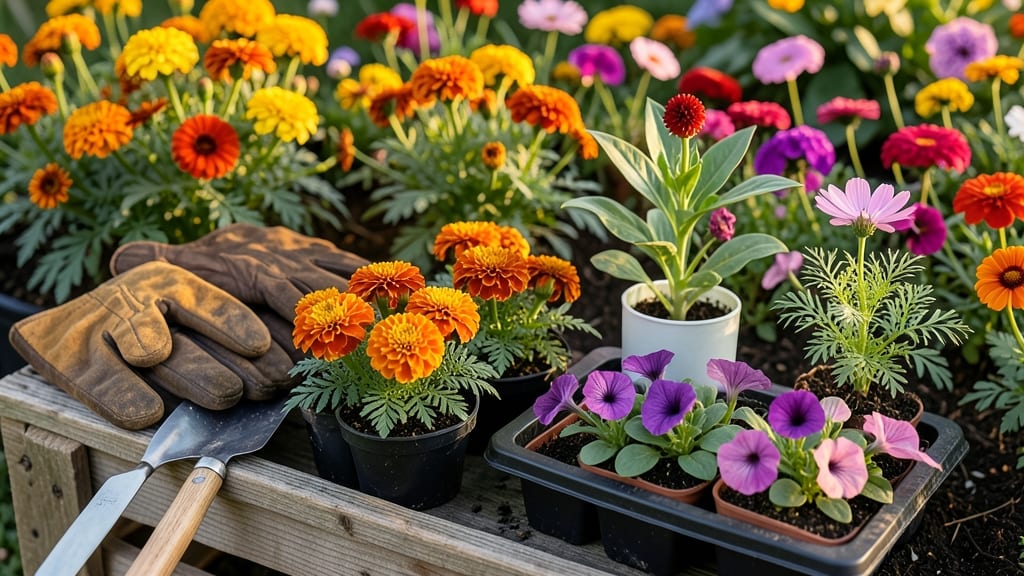
When to plant annuals in Zone 5 is the difference between a garden bursting with color and one that fizzles out before summer even begins.
You’ve probably heard the rule of thumb: wait until after the last frost. But in Zone 5, where frosts can linger into mid-May and temperatures swing wildly, that’s not always enough.
The truth is, some 🌸 annuals need warmer soil and steady warmth to thrive—and planting too early risks losing your investment to a surprise freeze.
What if I told you there’s a science-backed window that maximizes blooms and harvests? Whether you’re growing marigolds for pollinators or basil for your kitchen, knowing the exact weeks before your last frost can transform your garden from "meh" to "wow."
Let’s break down the precise schedule so you never miss a season again.
From cool-season stars like pansies to heat-loving sunflowers, we’ll cover when to plant each type—and how to adjust if Mother Nature throws you a curveball. Ready to turn your garden into a year-round showstopper?
Exact weeks before last frost to plant annuals in Zone 5
Zone 5’s last frost date typically lands in mid-May, but your exact timeline depends on your specific microclimate. For warm-season annuals like tomatoes and marigolds, aim to plant 2–4 weeks after the last frost when soil temps hit 50°F (10°C).
Cool-season varieties, such as pansies and snapdragons, can handle earlier planting—even 4–6 weeks before the last frost for a spring burst.
In Zone 5, the growing season spans roughly 160 frost-free days, from late April to mid-October. This means you’ll have two prime planting windows: spring (April–May) for cool-season annuals and summer (June–July) for warm-season varieties.
Missing these windows can leave your garden looking sparse or force you to rely on container gardening for late-season blooms.
To pinpoint your local frost dates, check the USDA Plant Hardiness Zone Map and cross-reference with your nearest cooperative extension office. For example, Chicago’s last frost often arrives by May 15, while Pittsburgh’s can linger until May 22.
These variations matter—planting marigolds too early in Pittsburgh risks frost damage, while delaying in Chicago might shorten their bloom time.
🌱 Zone 5 Annual Planting Timeline
| Plant Type | Planting Window | Weeks Before Last Frost | Soil Temp Requirement | Examples |
|---|---|---|---|---|
| Cool-Season Annuals | Early Spring (March–April) | 4–6 weeks before | 40–50°F (4–10°C) | Pansies, Snapdragons, Lettuce |
| Warm-Season Annuals | Late Spring (May–June) | 2–4 weeks after | 50–60°F (10–15°C) | Tomatoes, Marigolds, Basil |
| Fall Annuals | Late Summer (August) | 10–12 weeks before first frost | 50–60°F (10–15°C) | Cosmos, Zinnias, Kale |
💡 Pro Tip: Use a soil thermometer to confirm temps before planting warm-season annuals. Cold soil delays germination.
For warm-season annuals, like tomatoes and peppers, the rush is on—plant them too late, and they won’t mature before frost. Start seeds indoors 6–8 weeks before your last frost date, then transplant seedlings after Memorial Day (around May 25) for most of Zone 5.
If you’re growing basil or petunias, wait until June 1 to avoid stunted growth from lingering cool nights.
Cool-season annuals, such as lettuce and spinach, thrive in Zone 5’s spring and fall. You can even sow hardy varieties like kale in late August for a winter harvest before the first frost.
These plants tolerate light frosts and often taste sweeter after a light freeze, making them a gardener’s secret weapon for extending the season.
Don’t overlook succession planting—a technique where you stagger plantings every 2–3 weeks to ensure a continuous harvest. For example, plant bush beans every 10 days from May to July to enjoy fresh pods all summer.
This method also works for radishes and lettuce, keeping your garden productive and vibrant.
If you’re new to Zone 5 gardening, start with low-maintenance annuals like marigolds or zinnias. These heat-tolerant flowers bloom prolifically with minimal care and thrive when planted after the last frost.
For a longer bloom season, pair them with cosmos or sunflowers, which handle Zone 5’s hot summers and humidity better than many other annuals.
To protect your early spring plantings from unexpected frosts, use row covers or cold frames. These simple tools can raise soil temps by 5–10°F and shield delicate seedlings from late-season chills. For late summer plantings, like
Best annual flowers and vegetables for Zone 5 planting timing
Zone 5 gardeners have a short but sweet window to plant annuals, but with the right choices, you can enjoy colorful blooms from spring to fall.
Cool-season annuals like pansies and snapdragons thrive in early spring or late summer, while warm-season favorites such as marigolds and basil need that post-frost warmth to shine. Let’s break down the best annuals for each planting window and how to maximize their potential in your garden.
For spring planting, focus on cool-hardy annuals that can handle light frosts and chilly soil. These varieties start early and often bloom by late May, giving you instant color.
In contrast, summer annuals like zinnias and sunflowers need to wait until after the last frost date—typically mid-May—to avoid frost damage. Finally, fall annuals such as cosmos and calendula can be sown as late as early August for a second wave of blooms before frost.
| Plant Type | Best Planting Window | Sunlight Needs | Color Impact |
|---|---|---|---|
| Pansies | Early Spring (March–April) or Late Summer (August) | Full Sun to Partial Shade | Bold purple, yellow, and white blooms |
| Marigolds | After Last Frost (May–June) | Full Sun | Bright orange and gold |
| Zinnias | After Last Frost (May–June) | Full Sun | Vibrant pink, red, and yellow |
| Basil | After Last Frost (May–June) | Full Sun to Partial Shade | Lush green foliage |
| Cosmos | Late Summer (August) | Full Sun | Soft pink and white |
When selecting annuals for your Zone 5 garden, prioritize fast-growing varieties that will bloom quickly after planting. For example, marigolds and zinnias often flower within 6–8 weeks, making them perfect for filling gaps in your garden beds.
If you’re growing vegetable annuals like basil or bush beans, aim for varieties with shorter maturity times to ensure a harvest before frost.
Don’t overlook fall-planted annuals, which can extend your garden’s life well into October. Calendula and nasturtiums are excellent choices—they tolerate cooler temperatures and add cheerful pops of color when other plants are fading.
To protect them from early frosts, use lightweight row covers or plant them in microclimates where heat lingers longer, like near south-facing walls.
For maximum impact, combine annuals with different bloom times. Start with early spring pansies, transition to summer zinnias, and finish with fall cosmos for a garden that stays vibrant from March to October.
This strategy ensures your garden is always full of life, even as the seasons change.
Pro tip: Always check the seed packet for days to maturity—this tells you exactly when to expect blooms or harvests. For Zone 5, aim to plant warm-season annuals by June 1 to avoid missing peak season.
With the right timing and variety selection, your garden will be the envy of the neighborhood!