
Trees
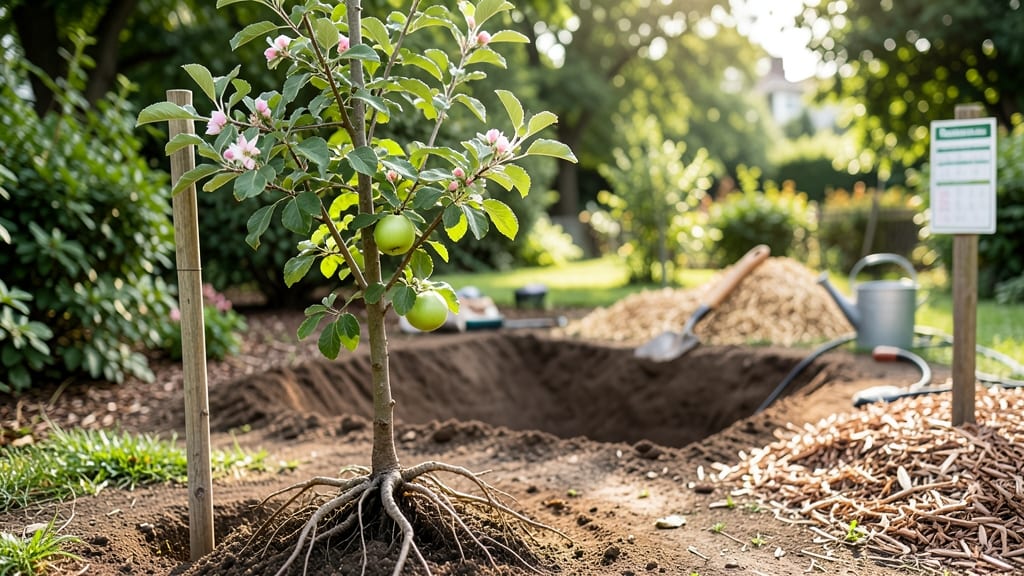
Timing your apple tree planting in Oregon isn’t just about picking a random month—it’s about syncing with the region’s chill-hour zones and frost patterns to ensure your 🍎 thrives. Plant too early, and your tree might struggle with winter’s bite; too late, and it won’t establish roots before summer’s heat.
The sweet spot for most Oregon growers? Late winter to early spring, when the soil warms but the risk of frost lingers just enough to protect young roots.
Why does this matter? Because Oregon’s climate varies wildly—from the Willamette Valley’s damp winters to the high desert’s crisp air. The wrong timing can leave your tree vulnerable to disease, poor fruit set, or even death.
But when you nail it, you’re setting the stage for a bountiful harvest in late summer or early fall, with apples that taste like they were plucked straight from a farmstand.
In this guide, I’ll break down the exact months to plant based on your specific zone, whether you’re working with bare-root saplings or container-grown trees. You’ll also discover which Oregon-friendly cultivars (like ‘Gala’ or ‘Fuji’) align with your microclimate—and how to prep your soil for maximum success.
Let’s get your orchard off to the right start.
Ready to avoid costly mistakes and grow apples that’ll make your neighbors jealous? The clock is ticking—your tree’s future depends on planting it at the perfect moment.
Best planting months in Oregon based on chill-hour zones
Oregon’s chill-hour zones (400–1,000+ hours) dictate the perfect window for planting apple trees. Unlike many states, Oregon’s mild winters in the Willamette Valley contrast sharply with the harsh winters in Eastern Oregon. This means your planting timing must align with both bud dormancy and root establishment needs.
For bare-root trees, the ideal window is late winter to early spring—typically February through April. This gives roots time to establish before summer heat arrives. Container-grown trees offer more flexibility but still thrive when planted during cooler months to reduce transplant shock.
Here’s how Oregon’s regions break down:
| Region | Chill-Hour Zone | Best Planting Months | Key Considerations |
|---|---|---|---|
| Willamette Valley | 700–900 hours | March–April | Mild winters; avoid late frosts |
| Columbia Gorge | 600–800 hours | February–March | Cooler microclimates; plant early |
| Eastern Oregon | 400–600 hours | April–May | Harsher winters; delay until soil warms |
| Southern Oregon (Rogue Valley) | 800–1,000+ hours | March–April | Watch for late-spring frosts |
Why does this matter? Planting too early in Eastern Oregon risks frost damage to tender roots, while planting too late in the Willamette Valley may delay root growth before summer heat sets in. Aim for 6–8 weeks before your region’s last frost date—typically by March 15 for most areas.
For bare-root trees, prioritize planting when the ground is workable but before buds swell. Container-grown trees can handle slightly later planting but still benefit from cooler spring temperatures to minimize stress. Mulch heavily after planting to retain moisture and regulate soil temperature.
Oregon’s microclimates can shift frost dates by weeks. Check your local USDA Zone 7b–9a guidelines and observe nearby orchards for cues. For example, Portland’s last frost is often around March 10, while Bend’s can linger until April 1. Adjust accordingly!
If you miss the spring window, fall planting (September–October) is possible in milder zones like the Willamette Valley, but avoid it in colder areas where roots won’t establish before winter. Always water deeply after planting to encourage root spread in the soil.
Pro tip: Use mycorrhizal fungi when planting to boost root development in Oregon’s often clay-heavy soils. This natural soil additive forms a symbiotic relationship with roots, improving nutrient uptake and drought resilience—critical for Oregon’s variable rainfall patterns.
Timing isn’t just about months; it’s about soil temperature and bud dormancy. In Eastern Oregon, wait until soil reaches 45°F (7°C) at a 4-inch depth. In the Willamette Valley, you can plant as early as February if soil is workable.
Finally, consider rootstock compatibility with your chosen cultivar. Dwarf rootstocks (e.g., M.9) establish faster but need extra care in Oregon’s windy coastal areas. Semi-dwarf or standard rootstocks offer more stability for high-desert regions.
Top 5 apple cultivars for Oregon’s climate and their planting needs
Oregon’s variable climate demands apple varieties that thrive in 400–1,000 chill hours. I’ve handpicked five top cultivars that excel in Oregon’s Willamette Valley, Columbia Gorge, and Eastern regions, ensuring reliable harvests and minimal fuss.
Each variety has unique planting windows and spacing needs tailored to Oregon’s soil and weather patterns.
For mild-winter zones like Portland and Eugene, ‘Gala’ and ‘Fuji’ are my go-to choices. They require 500–700 chill hours and can be planted from February to April, giving roots time to establish before summer heat.
In cooler high-desert areas, like Bend or La Grande, ‘Granny Smith’ and ‘Enterprise’ shine with their 800+ chill-hour tolerance and late-spring blooming to avoid frost damage.
If you’re growing in containers or small spaces, ‘Honeycrisp’ on a dwarf rootstock is a game-changer. It needs 600–800 chill hours and can be planted year-round in containers, though spring (March–April) is ideal for ground planting.
Always check your local chill-hour zone—Oregon’s ranges from 400 (Medford) to 1,000+ (Mount Hood)—to pick the perfect match.
When planting, soil pH between 6.0–6.5 is critical for all these varieties. Amend heavy clay soils (common in Eastern Oregon) with compost or sand to improve drainage.
For bare-root trees, plant as soon as roots arrive—don’t let them dry out. If using container-grown trees, water deeply 1–2 weeks before transplanting to reduce shock.
Pro tip: Pair ‘Gala’ or ‘Fuji’ with a pollinator variety like ‘Enterprise’ for better fruit set. In windy coastal areas, like the Oregon Coast Range, stake young trees to prevent uprooting.
With the right variety and timing, you’ll be picking homegrown apples in 3–5 years—no bitter surprises here!
🍏