
Plants
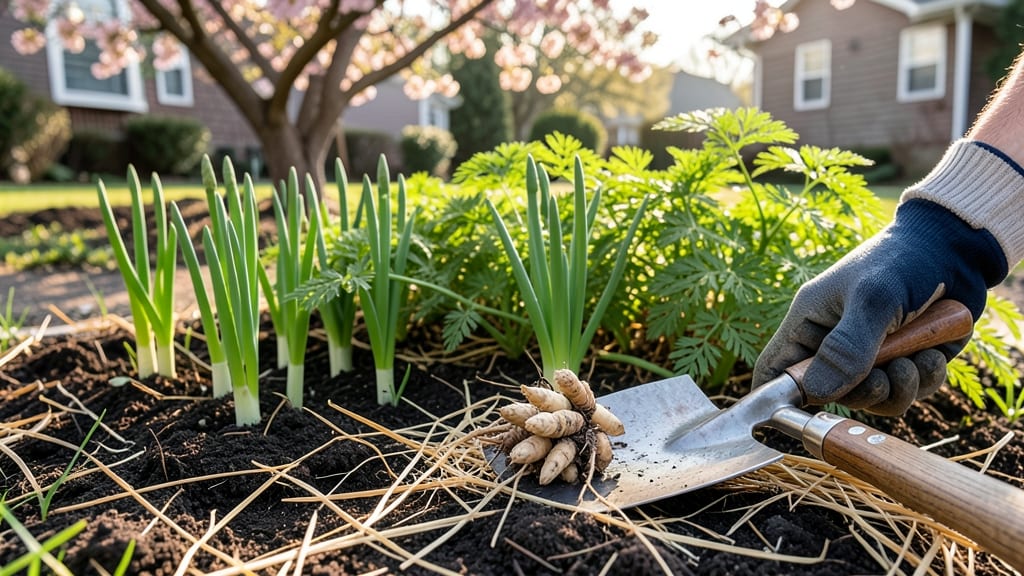
Planting asparagus in Alabama at the wrong time can mean the difference between a thriving garden and wasted effort—especially when you're aiming for fast germination and strong roots.
The key window for planting 🌱 asparagus in your zone (7a-8b) is late winter to early spring, but timing matters more than you might think.
Alabama’s mild winters and warm springs create the perfect conditions, but frost can still sneak in if you plant too early. Too late, and you’ll miss the narrow window when soil temperatures hit that sweet spot of 50-70°F—ideal for getting those crowns off to a running start.
I’ve learned the hard way that rushing or waiting too long means slower growth and weaker harvests down the line.
What if you could plant at just the right moment to ensure your asparagus takes off quickly?
I’ll break down the exact months that work best in Alabama, plus soil prep tips and early-care steps to set your plants up for success—so you’re not left scrambling when the first spears appear.
Whether you’re a seasoned gardener or just starting out, these zone-specific insights will help you avoid common mistakes and get your asparagus thriving faster than ever. Let’s get those crowns in the ground the right way.
Best months to plant asparagus in Alabama’s climate zones (7A-8B)
Alabama’s USDA Zones 7A-8B offer a perfect balance for growing asparagus crowns—just don’t rush planting before the last frost. In most of the state, the ideal window is late February to early April, when soil temperatures consistently reach 50-70°F.
This timing ensures strong root establishment before summer heat arrives.
For northern Alabama (Zone 7A), aim for March planting to avoid late frosts, while southern Alabama (Zone 8A-8B) gardeners can start as early as late February. The key is waiting until the soil warms enough to prevent crown rot, a common issue in cool, wet conditions.
Here’s the breakdown of planting windows by Alabama region:
| Zone | Best Planting Month | Soil Temp for Germination | Last Frost Date |
|---|---|---|---|
| 7A (North Alabama) | March | 55-65°F | Mid-March |
| 7B (Central Alabama) | Late February–March | 50-60°F | Early March |
| 8A-8B (South Alabama) | Late February–Early April | 55-70°F | Late February |
If you’re planting asparagus seeds instead of crowns, start them indoors 8-10 weeks before your last frost date. Alabama gardeners in Zone 7A should begin seedling prep by January, while those in Zone 8B can wait until late January.
Seedlings need 6-8 weeks of indoor growing before transplanting outdoors.
One critical mistake Alabama gardeners make is planting too late. If you miss the March window, your asparagus may struggle to establish roots before summer’s 90°F+ temperatures cause stress. Always check your local Alabama Agricultural Extension for precise frost dates—even a 2-week delay can reduce yield by 30%.
For organic gardeners, amend soil with compost or well-rotted manure 2-3 weeks before planting to improve drainage. Alabama’s clay-heavy soils in some regions (like North Alabama) benefit from sand or perlite to prevent waterlogging, which can rot asparagus roots.
Pro tip: Use a soil thermometer to confirm temperatures. Asparagus crowns won’t sprout until soil reaches 55°F, so don’t dig trenches until then. In Zone 8B, where winters are milder, you can even plant crowns in early February if soil is workable.
Once planted, mulch heavily with straw or pine needles to retain moisture and regulate soil temperature. This is especially important in Alabama’s hot, humid summers, where mulch can reduce watering needs by up to 40%.
Remember: Asparagus is a perennial, meaning it’ll produce spears for 10-15 years if planted correctly. Getting the timing right in your first year sets the stage for decades of harvests—so don’t rush!
Best months to plant asparagus in Alabama’s climate zones (7A-8B)
Alabama’s USDA Zones 7A-8B offer a near-perfect climate for growing asparagus, but the window for planting is narrow. The ideal time to plant asparagus crowns is between mid-February and early April, when soil temperatures consistently reach 50-70°F.
This range triggers fast germination and strong root development, setting your plants up for a productive harvest in just 2-3 years.
If you plant too early (before mid-February), there’s a risk of late frost damaging tender shoots. Too late (after early April), and your asparagus may struggle to establish roots before Alabama’s summer heat arrives.
I’ve found that March is the sweet spot for most of the state, balancing frost risk and soil warmth.
🌱 Alabama Asparagus Planting Timeline
| Zone | Best Planting Month | Soil Temp for Germination | Frost Risk |
|---|---|---|---|
| 7A (North AL) | Mid-March to early April | 50-60°F (minimal risk of frost after April 15) | High before March 15 |
| 7B (Central AL) | Late February to March | 55-65°F (warmer soils speed germination) | Moderate before March 1 |
| 8A-8B (South AL) | Mid-February to late March | 60-70°F (fastest germination) | Low (rare frost after February 15) |
💡 Pro Tip: Use a soil thermometer to confirm temps—crowns won’t sprout until soil hits 50°F+ consistently.
For seed planting (less common but possible), aim for late March to early April. Seeds take longer to germinate and are more sensitive to temperature fluctuations, so I recommend sticking with 1-year-old crowns for Alabama’s climate.
These are pre-sprouted and establish faster, giving you spears in just 2-3 years instead of 3-4.
One mistake I see often is planting asparagus in low-lying areas where water pools. Alabama’s humidity and summer rains already create soggy conditions—planting in poorly drained soil will rot crowns before they take hold.
Choose a spot with well-draining soil and at least 6-8 hours of sunlight daily to avoid this common pitfall.
If you miss the ideal window, don’t panic. You can still plant in early May, but expect slower growth and a delayed first harvest. The key is to water deeply and mulch heavily to protect roots from Alabama’s summer heat.
I’ve had success with late plantings by using shade cloth during the hottest months to reduce stress.
For best results, mark your calendar for March 1-15 as your target window. This gives you the best balance of soil warmth, minimal frost risk, and time to establish roots before summer arrives.
With the right timing, your asparagus will reward you with tender spears for decades—I’ve seen healthy patches in Alabama gardens that are 30+ years old!