Plants
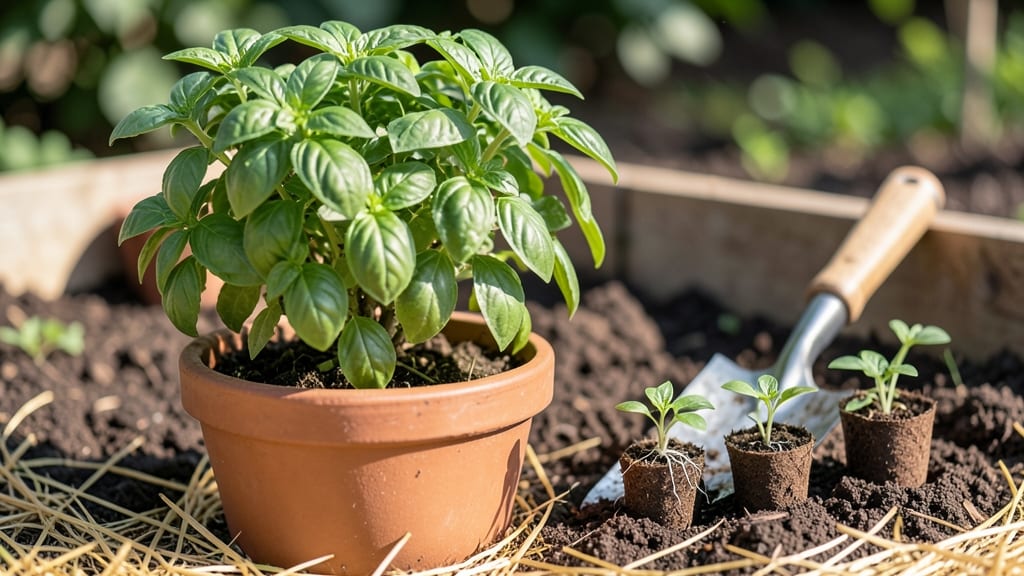
Timing your basil planting in Arizona isn't just about the calendar—it's about outsmarting the desert's extreme heat before your plants bolt into flower. One wrong move, and your sweet, fragrant 🌿 basil can turn bitter or even die back faster than a snowflake in Phoenix.
Here's the secret: Arizona's 9b climate lets you grow basil year-round in lower deserts, but the ideal window for most gardeners is late winter through early spring. That means planting in February or March—when soil warms enough to prevent shock but before the summer sun becomes relentless.
Why does this matter? Because basil hates heat stress, and planting too early risks frost damage (yes, it can happen in desert valleys!), while planting too late means your plants will bolt before you can harvest those aromatic leaves you crave for pesto.
I'll show you exactly how to time your basil for success—whether you're growing in containers for mobility or planting directly in the ground—so you can enjoy fresh basil from April through October without the stress. Let's get started.
Arizona basil planting calendar: exact weeks to avoid heat stress and bolting
Arizona’s basil growing season is a tightrope walk between scorching heat and premature bolting. Unlike cooler climates, we can’t just plant in spring and forget it—our 110°F+ summers demand precision. The key? Planting when daytime highs stay below 90°F and nights dip below 70°F to prevent stress-induced flowering.
Most Arizona gardeners succeed with two planting windows: late winter/early spring (February–March) and early fall (September–October). These periods offer the coolest soil temperatures and longer daylight for gradual establishment. Skipping these windows risks heat shock, where basil bolts within 10–14 days of planting.
Here’s the exact timeline I follow for Phoenix and Tucson (adjust 1–2 weeks earlier for higher elevations like Flagstaff). Use these dates as your planting guardrails:
For Flagstaff and higher elevations, shift these windows 2–4 weeks earlier. The Cooperativity Extension reports that Flagstaff’s last frost typically occurs around April 15, while Phoenix rarely sees frost. Use a soil thermometer to confirm 50°F+ soil temps before planting—cold soil stunts growth.
Pro tip: Monitor the Arizona Meteorological Network for heatwave alerts. When daytime highs exceed 95°F, even established basil will bolt within 7–10 days. I’ve lost three batches of sweet basil to June heat spikes, but shade cloth saved my fall crop every time.
Container gardeners have an edge—they can move pots to shade during afternoon heat. If you’re planting in ground beds, choose north-facing or east-facing locations to delay midday sun exposure. Mulch with 2–3 inches of straw to keep roots 5–10°F cooler.
Remember: Basil’s ideal daytime temps are 70–85°F. Anything above 90°F for 3+ days triggers bolting. Use this calendar as your basil survival guide—stick to these windows, and you’ll avoid the bitter, woody leaves that ruin pesto.
🌱
How to extend basil’s growing season in Arizona using these 3 proven methods
Arizona’s intense heat can turn your basil from fragrant and tender to bitter and woody in weeks—but these three proven methods help you grow basil year-round. The key? Regulating temperature, moisture, and sunlight exposure to match your plant’s needs. Let’s dive into the strategies that work best for desert gardeners.
First, shade cloth is your best friend during the brutal summer months. Basil thrives in full sun, but when temperatures exceed 90°F, even a 30-50% shade cloth can prevent bolting.
I’ve found that mid-morning to early afternoon shade (10 AM–3 PM) works best—just remove it by late afternoon to let your basil soak up those golden rays for flavor development.
Next, container gardening gives you the flexibility to move your basil. Place pots on elevated stands or wheels so you can roll them into shade when needed. I’ve had success with black fabric pots (they heat up less than plastic) and self-watering containers to maintain consistent moisture without overwatering.
This method also helps prevent soil-borne diseases that thrive in Arizona’s dry heat.
Finally, companion planting can naturally regulate temperature and moisture. Pair your basil with tall, leafy plants like rosemary or thyme to create a microclimate with cooler, more humid air.
I’ve noticed that basil planted near tomatoes (another heat-loving plant) grows stronger because the tomatoes act as a windbreak and help retain soil moisture.
🌿 3 Proven Methods to Extend Basil’s Growing Season
- 🌡️ Shade Cloth: Use 30-50% shade during peak heat (10 AM–3 PM). Remove by late afternoon for sunlight.
- 🪴 Container Gardening: Move pots to shaded areas or use elevated stands. Opt for black fabric pots for heat resistance.
- 🌱 Companion Planting: Pair with rosemary, thyme, or tomatoes to create cooler microclimates and retain moisture.
For fall planting, start seeds indoors in late August and transplant outdoors by mid-September. This gives your basil time to establish roots before temperatures drop. I’ve had great success with Genovese basil in containers during fall—it stays sweet and aromatic even as nights cool down.
If you’re growing basil in high-altitude areas like Flagstaff, you can plant as late as mid-May because cooler temperatures slow bolting. Just be prepared to cover plants with frost cloth if unexpected chills hit in October.
The goal is to harvest before the first frost (usually mid-December in most of Arizona), so plan accordingly.
Remember, consistent care is key. Monitor your basil daily for signs of stress—yellowing leaves mean too much water, while tall stems with flowers mean it’s bolting. Adjust your methods as needed, and you’ll enjoy fresh basil well into October (or even November in mild winters). Happy growing!