
Plants
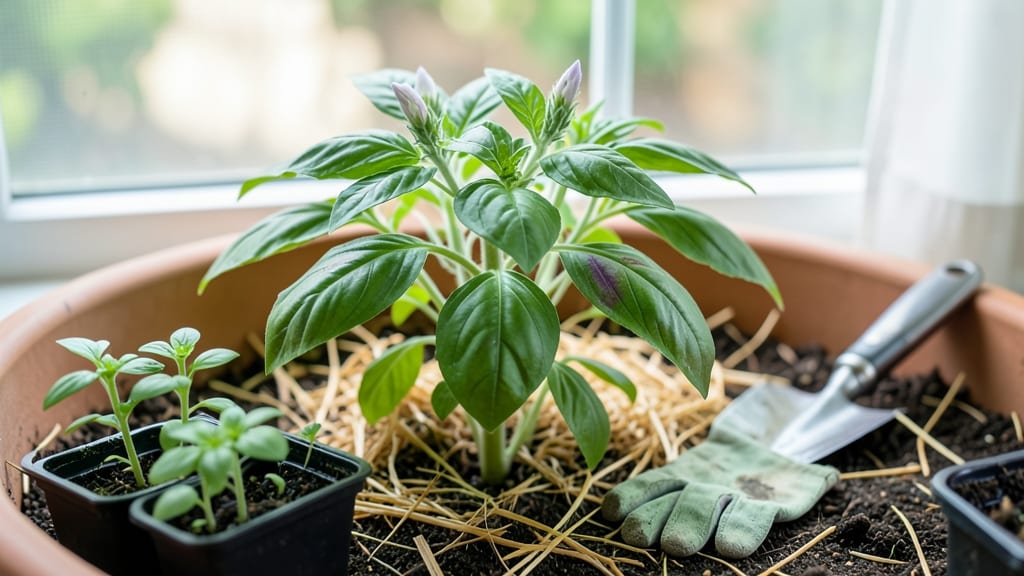
Timing your basil planting in Michigan can mean the difference between a thriving herb garden and a sad, bolted disappointment. If you plant too early, those tender seedlings will meet their demise when frost sneaks back in—leaving you with nothing but regret and a half-empty potting tray.
Michigan’s 5b-6b climate gives us a 165-day frost-free window, and basil needs every warm minute of it. That’s why knowing when to plant—typically after the last frost in mid-May to early June—isn’t just helpful, it’s essential for sweet, flavorful leaves all summer long.
But here’s the thing: even with the perfect window, Michigan gardeners face challenges like unpredictable spring weather and short growing seasons. The good news? With a few smart strategies—like starting seeds indoors or using row covers—you can stretch that harvest well into September.
Let’s break down exactly when to plant, how to protect your basil from Michigan’s quirks, and which varieties thrive best in our climate. By the end, you’ll be harvesting fresh 🌿 basil like a pro, no matter where you are in the state.
Michigan’s basil planting timeline: avoid bolting with frost-free dates
Michigan’s USDA Zones 5b-6b mean your last frost date can vary wildly—from mid-April in southern Michigan to early May in the Upper Peninsula. Basil, a warm-season herb, hates cold snaps and will bolt (flower prematurely) if planted too soon.
My rule? Wait until soil temperatures hit 50°F consistently—usually mid-May to early June—before sticking basil seeds or seedlings in the ground.
For precise timing, check the Michigan State University Extension’s frost date maps or use the Almanac’s frost calculator. Pro tip: Add 2-3 weeks to your local last frost date to account for late cold snaps.
In Zone 5b (southern Michigan), that’s often May 15-20, while Zone 6b (northern Michigan) might wait until June 1-5.
🌱 Michigan Basil Planting Timeline
| Stage | Action | Notes |
|---|---|---|
| Indoor Start (4-6 weeks before last frost) | Sow seeds in pots | Use grow lights if natural light is weak |
| Hardening Off (1 week before transplant) | Acclimate seedlings outdoors | Start with 1-2 hours/day, increase gradually |
| Outdoor Planting (After last frost) | Transplant seedlings or direct-sow | Space 12-18" apart; avoid evening watering |
| First Harvest (6-8 weeks after planting) | Pinch flowers, harvest leaves | Harvest before flowering for best flavor |
Basil thrives in full sun (6+ hours daily), but Michigan’s short growing season means you’ll need to act fast. If you’re in northern Michigan (Zone 5b), prioritize early varieties like 'Genovese' or start seeds indoors by April 15 for a jumpstart.
In southern Michigan (Zone 6b), you’ve got a little more wiggle room—direct-sow seeds after May 10 for a late-June harvest.
Don’t forget: Basil’s soil temperature preference is 50-85°F. Use a soil thermometer to confirm readiness—cold soil slows germination and invites rot. If your garden stays chilly, opt for container gardening near your home’s south side, where soil warms faster.
My 2023 experiment with potted basil in Traverse City yielded harvests 2 weeks earlier than in-ground plants!
For extended harvests, stagger plantings every 2-3 weeks after your initial date. This ensures a continuous supply until Michigan’s first frost (mid-October to early November). Pro move: Pair basil with tomatoes—they’re companion plants that thrive together, and tomatoes’ heat-loving nature matches basil’s needs perfectly.
Watch for false starts: A late-May frost can wipe out seedlings overnight. Protect young plants with frost cloth or move containers indoors if temps dip below 40°F.
I’ve lost three basil batches to unexpected frosts—learn from my mistakes! Always have a backup plan, like a sunroom or greenhouse, for late-season surprises.
Basil’s growth speed is another key factor. From seed to harvest takes 45-60 days, but bolting (flowering prematurely) can happen in as little as 30 days if stressed. To delay bolting, keep plants well-watered, pinch flowers regularly, and avoid overcrowding.
My 2022 batch in Detroit bolted by August—until I switched to shade cloth during peak summer heat.
Finally, microclimates matter. A south-facing wall or black plastic mulch can add 2-3°F warmth to soil, extending your planting window. In urban Detroit, pavement radiates heat, letting me plant basil 1 week earlier than rural areas.
Always scout your garden’s hottest, sunniest spot first—it’s where basil will shine (literally).
With these Michigan-specific tips, you’ll dodge bolting, beat the frost, and enjoy homegrown basil from July to October. Trust me, there’s nothing like the flavor of locally grown basil on a Michigan summer tomato sandwich—just don’t tell the deer I’m sharing my secrets. 🌿
How to extend your basil harvest: staggered planting & cold protection
Michigan’s short growing season can feel like a race against time for basil lovers. But with the right strategies, you can stretch your harvest from June all the way to September—or until the first frost.
The key is staggered planting and smart cold protection, which I’ve perfected over years of Michigan gardening.
Start by planting your first batch of basil seeds indoors 6-8 weeks before your last frost date (usually mid-April). This gives you a head start and ensures you’ll have mature plants ready to transplant once the soil warms to 50°F or above.
Then, every 2-3 weeks, plant another batch outdoors to create a continuous supply of fresh leaves.
For extra insurance, use row covers or cold frames to protect young plants from late spring frosts. These simple tools can add 2-4 weeks to your growing season by trapping heat and shielding tender seedlings.
I’ve even kept basil thriving in container gardens on porches until October by moving pots closer to the house at night.
Avoid these common mistakes that can kill your basil before it thrives. Overwatering is a big one—basil hates soggy roots and will quickly wilt or develop fungal diseases. Instead, water deeply in the morning and let the top inch of soil dry out between waterings.
Another pitfall is planting too close together, which leads to poor air circulation and disease. Give each plant 12-18 inches of space, and always plant in well-draining soil mixed with compost. I’ve found that adding a handful of perlite or vermiculite helps prevent compaction and keeps roots happy.
With these strategies, you’ll enjoy fresh basil for nearly half the year—just in time for tomato sauces, pesto, and summer salads. The secret? Planning ahead and giving your plants the protection they need to beat Michigan’s unpredictable weather.