
Plants
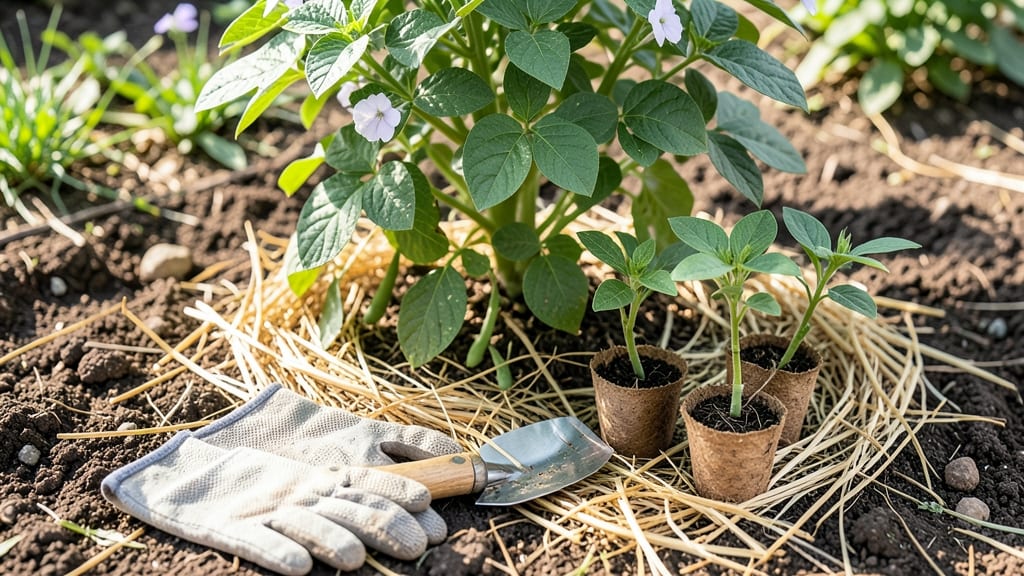
If you’ve ever wondered when to plant beans in Colorado, timing is everything—especially when your garden spans 5,000 feet in Denver to 10,000 feet in the mountains. Plant too early, and a late frost will wipe out your 🌱 beans before they even sprout.
But get it right, and you’ll enjoy a harvest from July through September.
Colorado’s USDA Zones 5-8 create a tricky balance: lowland gardens can start planting by mid-April, while high-elevation spots might not be frost-free until early June. That’s why knowing your exact elevation—and when the last frost typically hits—is the key to success.
Skip this step, and you risk stunted plants or missed opportunities for a second planting in late summer.
I’ll break down the exact frost-free windows for your region, plus the best bean varieties for Colorado’s heat and altitude swings. Whether you’re growing bush beans for quick snacks or pole beans for a towering harvest, these tips will help you avoid common mistakes and maximize your garden’s potential.
Let’s get those seeds in the ground at the perfect time!
Ready to transform your backyard into a bean-producing powerhouse? You’ll learn how to time your plantings like a pro, choose the right varieties for your elevation, and even extend your harvest into fall. No more guessing—just a foolproof plan tailored to Colorado’s unique climate.
Colorado bean planting zones by elevation: exact frost-free dates
Colorado’s dramatic elevation shifts from 5,000 feet in lowland valleys to over 10,000 feet in the mountains create wildly different planting windows for beans. At 5,000 feet, you might plant as early as late March, while at 8,000+ feet, wait until mid-June to avoid frost.
Understanding your zone ensures your beans thrive—not just survive. The key? Soil temperature and last frost dates, which can vary by hundreds of days across the state.
For accurate timing, check your local USDA zone (typically 5-8 in Colorado) and average last frost dates. Colorado State University Extension provides county-specific frost data—bookmark their Colorado Gardener’s Guide for real-time updates.
I’ve broken down three critical elevation bands below to simplify your planning. Each zone has distinct heat-tolerant varieties that perform best, so we’ll cover those too.
⚠️ NON-NEGOTIABLE: Never plant beans until soil reaches 60°F—cold soil stunts growth, even if air temps are warm. Use a soil thermometer to confirm readiness. In high-altitude zones, this could mean waiting until July for safe planting.
| Elevation Zone | Last Frost Date | Planting Window | Best Varieties | Key Tip |
|---|---|---|---|---|
| Lowland (5,000–6,500 ft) | April 1–15 | March 20–April 30 | Kentucky Wonder, Romano | Use black plastic mulch to warm soil faster. |
| Foothills (6,500–8,000 ft) | May 1–15 | April 15–May 31 | Pinto, Black Valentine | Plant near south-facing walls for extra heat. |
| Mountain (8,000+ ft) | June 1–15 | May 15–June 30 | Blue Lake, Provider | Extend season with row covers until July 4th. |
If you’re in Denver or Boulder (5,000–6,000 ft), aim for mid-April planting—this gives beans enough time to mature before the first frost in mid-October. For Fort Collins or Colorado Springs (6,000–7,000 ft), wait until late April to early May to avoid late spring frosts.
Meanwhile, gardeners in Aspen or Leadville (8,000+ ft) should treat beans like a short-season crop, planting no later than June 15.
Pro tip: Use succession planting every 2 weeks in lowland zones to stretch harvests into September. For example, plant a batch on April 15, another on May 1, and a final one on May 15—this ensures a continuous supply of fresh beans.
In mountain regions, focus on fast-maturing varieties like Blue Lake beans, which mature in just 50 days.
Colorado’s dry climate can trick gardeners into thinking soil is warm earlier than it is. Always check soil temperature with a digital thermometer—air temperature doesn’t tell the full story.
I’ve seen gardeners in Pueblo (5,000 ft) plant beans in March only to have them rot in 40°F soil. Don’t make that mistake—patience pays off with bigger harvests.
For container gardening in urban areas like Aurora or Lakewood, start seeds indoors 4–6 weeks before your last frost date. Use biodegradable pots to transplant seedlings directly into the garden after soil warms. This head start can add 2–3 weeks to your growing season, crucial for high-altitude gardeners.
Remember: First frost risk isn’t just about dates—it’s also about microclimates. A garden tucked in a valley might frost 2 weeks later than one on a hillside.
Observe your space for 3 years to spot patterns. Keep a gardening journal to track when your beans thrive—and when they fail.
Now that you’ve got your planting window locked in, let’s talk about extending your season with the right varieties and tricks to beat Colorado’s short growing season. Stay tuned for my next section on heat-resistant and cold-tolerant beans that will keep producing until frost!
Best bean varieties for Colorado’s climate and how to extend your growing season
Colorado’s short growing season and variable temperatures demand bean varieties that thrive in both heat and cooler conditions. The right 🌱 selection can mean the difference between a bountiful harvest and a disappointing one.
For lowland areas (5,000–6,500 ft), heat-tolerant varieties like ‘Pinto’ beans or ‘Black Valentine’ excel, while high-altitude gardens (8,000+ ft) benefit from cold-hardy types like ‘Kentucky Wonder’ pole beans.
Even with the perfect variety, Colorado’s climate can cut your harvest short. That’s why I’ve tested techniques like black plastic mulch (to warm soil faster) and row covers (to protect against late frosts).
These methods can extend your growing season by 2–4 weeks, giving you a second planting opportunity in late summer for a fall harvest.
🌱 Pro Tip: For mountain gardens, start seeds indoors 4–6 weeks before your last frost date to give young plants a head start. Use grow lights if natural light is limited, and transplant outdoors only after soil reaches 60°F.
🌱 Top Bean Varieties for Colorado
- 1. Pinto Beans – Heat-resistant, great for lowland gardens (5,000–6,500 ft), drought-tolerant.
- 2. Black Valentine – Cold-hardy, thrives in foothills (6,500–8,000 ft), produces early.
- 3. Kentucky Wonder – Pole bean ideal for mountain gardens (8,000+ ft), cold-tolerant.
- 4. Blue Lake – Versatile, high-yielding, works across all elevations with proper care.
- 5. Scarlet Runner – Ornamental + edible, loves Colorado’s heat, great for trellises.
To push your harvest into fall, try succession planting every 2–3 weeks after your first planting. This staggered approach ensures a continuous supply of fresh beans while the weather permits. For example, if your last frost is October 15, a late July planting could yield pods by early September.
Another game-changer? Black plastic mulch raises soil temperatures by 10–15°F, accelerating germination and growth. Simply lay the mulch 1–2 weeks before planting and cut slits for seeds. This trick works especially well in high-altitude gardens where cool soils delay sprouting.
Don’t overlook companion planting to boost your beans’ resilience. Pair them with corn and squash (the "Three Sisters" method) to improve soil fertility and deter pests. In Colorado’s dry climate, this trio also helps retain moisture better than beans alone.