
Plants
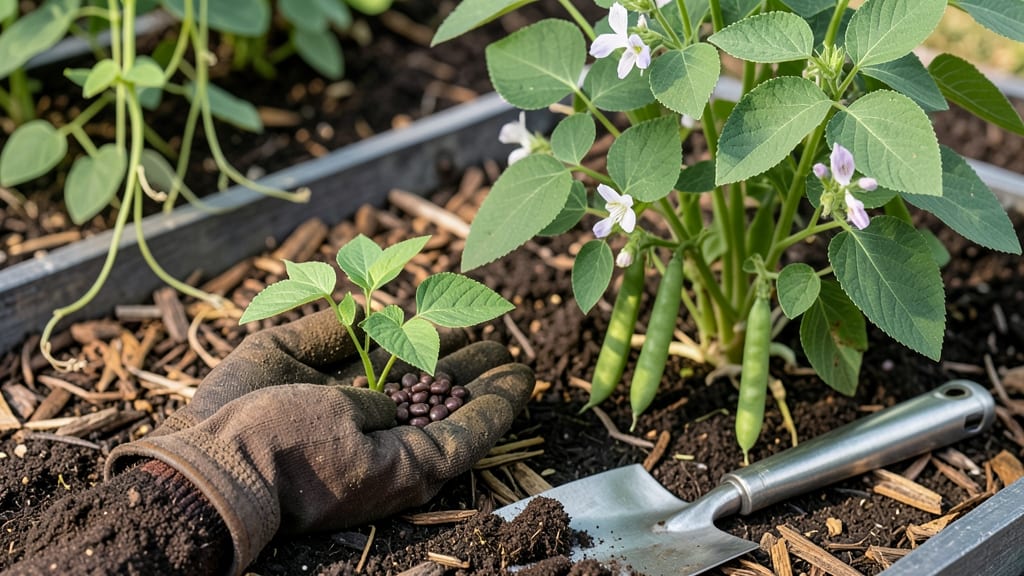
If you’ve ever planted beans in Florida’s peak summer heat, you’ve probably watched them wilt faster than a snowball in July. The key to thriving 🌱 bean harvests lies in timing—spring and fall offer the perfect balance of warmth and humidity without the scorching stress.
Florida’s 9a-11 climate zones let you grow beans year-round, but the difference between a bumper crop and a sad little sprout comes down to when you pop those seeds in the ground.
I’ll break down the ideal planting windows for both bush and pole varieties, so you can avoid the heat-induced misery that turns your garden into a sad, crispy memory.
We’re talking succession planting for continuous harvests, soil prep tricks to keep roots happy, and how to spot those sneaky microclimates that can make or break your beans.
Whether you’re a seasoned gardener or just starting, these tips will help you grow beans that actually last—not just days, but weeks.
Ready to ditch the guesswork? Let’s dive into the exact months, soil temps, and shade hacks that’ll turn your Florida garden into a bean-growing machine. Your taste buds (and your plants) will thank you.
Optimal Florida bean planting windows: spring vs fall timing guide
Florida’s year-round growing potential might make you think beans can be planted anytime—but that’s a recipe for disaster. The key to success lies in avoiding soil temperatures above 85°F, which stalls germination and stresses young plants.
Instead, focus on spring and fall windows when cooler temps and gentle rains create ideal conditions.
Most Florida gardeners achieve two peak harvests annually by planting beans in late winter/early spring and late summer/early fall. These timing strategies align with USDA Zones 9a-11, where frost is rare but heat intensity varies dramatically. Let’s break down the perfect planting calendar for your Florida garden.
🌱 Did You Know? Florida’s humidity and heat can cause beans to bolt (flower prematurely) if planted too early in spring or too late in fall. The 45-65°F soil temperature range is ideal for germination, so aim for when your thermometer reads consistently below 80°F.
| Planting Window | Best Varieties | Soil Temp (°F) | Key Considerations |
|---|---|---|---|
| Late Winter (Jan-Feb) | Bush beans (e.g., Blue Lake), Snap beans | 60-70°F | Early spring heat arrives fast; use shade cloth if temps rise above 85°F |
| Spring (Mar-Apr) | Pole beans (e.g., Kentucky Wonder), Lima beans | 70-75°F | Plant after Easter to avoid early heat spikes; mulch heavily |
| Summer (Jun-Jul) | Heat-tolerant varieties (e.g., Scarlet Runner) | 80-85°F (max) | Only for shade-tolerant types; water daily at dawn |
| Fall (Aug-Sep) | All varieties (peak season) | 70-75°F | Best harvest window; succession plant every 2 weeks for continuous yield |
| Late Fall (Oct-Nov) | Cold-hardy types (e.g., Wax Beans) | 65-70°F | Protect from hurricane winds; harvest before first frost (rare but possible in North FL) |
For pole beans, which take 90-120 days to mature, aim to plant 60-75 days before your first expected heatwave.
Use a trellis or teepee structure to maximize vertical growth in Florida’s compact garden spaces. Bush beans, which mature in 50-60 days, are more forgiving and can handle slightly later plantings.
My pro tip: Monitor your local weather patterns—Florida’s microclimates vary wildly. Coastal areas like Miami can handle slightly later spring plantings, while inland Orlando may need to push fall plantings earlier to avoid September humidity spikes. Check UF/IFAS Extension’s frost-free date maps for your county.
One common mistake I see is planting beans too early in spring when soil temps are still cool. Beans won’t germinate below 60°F, so wait until March 15-April 1 for most of Florida.
For fall plantings, start seeds August 1-September 15 to ensure harvests before October’s hurricane season disrupts growth.
If you’re eager for year-round harvests, try succession planting every 2-3 weeks during your optimal windows. This ensures a continuous supply of fresh beans without overwhelming your garden at once.
For example, plant one row in February, another in March, and a final row in September for a three-season harvest.
Remember, soil preparation is just as critical as timing. Amend your beds with compost and aged manure before planting, and maintain consistent moisture—beans hate dry spells but also waterlogged soil. A mulch layer
Optimal Florida bean planting windows: spring vs fall timing guide
Florida’s 9a-11 climate zones let beans thrive year-round, but the real magic happens in spring and fall when temperatures stay below 85°F. These are your sweet spots for planting—any later, and you’ll battle wilting vines faster than you can say "hurricane season."
Let’s break down the exact windows for bush beans, pole beans, and snap beans so you can plan your harvests like a pro.
For spring planting, aim for late January through March when soil temps hover around 60-75°F. This gives your beans 60-90 days to mature before summer’s brutal heat sets in.
If you’re growing pole beans, start them a bit earlier (late February) since they take longer to climb and produce. Meanwhile, bush beans can handle a slightly later start (March) because they mature faster.
🌱 Florida Bean Planting Windows
| Season | Best Months | Soil Temp | Variety Notes |
|---|---|---|---|
| Spring | Late Jan–March | 60–75°F | Pole beans: Late Feb; Bush beans: March |
| Fall | July–Sept | 75–85°F | Use shade cloth for July; direct sow in Sept |
| Winter | Oct–Dec | 65–75°F | Best for bush beans; harvest before cold snaps |
🌡️ Pro Tip: Use a soil thermometer to confirm temps before planting!
Fall planting is your secret weapon for avoiding summer’s heat. Start with direct sowing in July if you use shade cloth (30-50%) to protect seedlings from scorching. By September, you can plant without shade—just
Don’t overlook microclimates—your garden might have pockets of shade or cooler spots near water features. These can extend your planting window by 2-4 weeks in summer. For example, if your backyard is shadier, you might squeeze in a June planting where direct sun would fail. Always test soil moisture before watering—beans hate soggy roots but wilting is a sure sign of heat stress.
If you’re growing snap beans, prioritize early morning planting in spring to avoid afternoon heat. These varieties are less heat-tolerant than bush or pole beans, so give them the coolest part of your garden.
For pole beans, install trellises before planting—they’ll need support as they grow, and crowded vines suffer in heat. Mulch with straw or grass clippings to keep soil temps stable and moisture locked in.
Remember, Florida’s humidity is your friend—beans love it! But combine it with poor airflow and you’ll invite fungal diseases like rust or powdery mildew. Space plants 3-4 inches apart for bush beans and 6-8 inches apart for pole beans to improve circulation.
And if your summer rains are inconsistent, set up a drip irrigation system to deliver water directly to the roots without wetting the leaves.
Timing your bean plantings right in Florida isn’t just about months—it’s about soil temps, shade strategies, and microclimates. Master these, and you’ll enjoy fresh pods from spring to fall without the summer melt-down. Now grab your seeds and let’s get planting! 🌱