
Plants
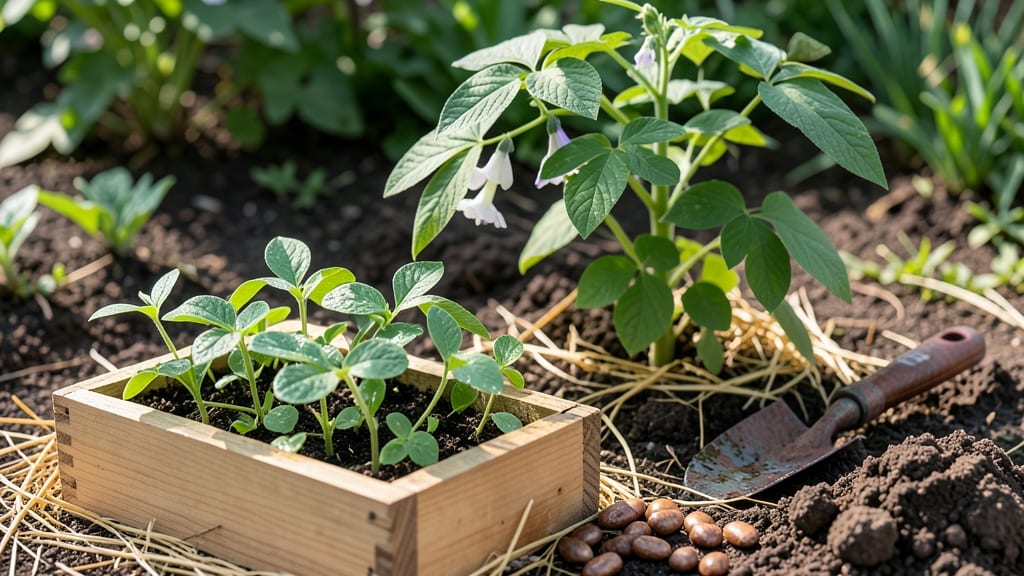
Knowing when to plant beans in Wisconsin can mean the difference between a thriving garden and a lost harvest—especially when frost lingers or summer heat arrives too soon. Wisconsin’s short growing season demands precision, but with the right timing, you can enjoy fresh, homegrown beans from July through October.
Most gardeners in zones 4a-6b wait until mid-April to mid-June, planting only after the last frost has passed and soil temperatures hit at least 60°F. But here’s the secret: a second planting in late July can yield a fall harvest just as sweet.
Let’s break down the exact windows and varieties that thrive in Wisconsin’s climate.
Why does timing matter so much? Beans are sensitive to cold, and planting too early risks stunted growth or frost damage. Meanwhile, waiting too long cuts your harvest short.
I’ll show you how to align your planting schedule with Wisconsin’s frost dates—plus tips to extend your growing season for faster, more reliable results.
Ready to grow beans that outperform your neighbors’? You’ll learn which varieties handle Wisconsin’s humidity, how to protect young plants from late frosts, and even how to squeeze in a second crop before winter sets in. Let’s get started.
Wisconsin bean planting zones: frost dates and ideal timing by county
Wisconsin’s diverse climate—from cool northern regions to warmer southern counties—means your bean planting window can vary by 2-3 weeks. Understanding your USDA zone (4a-6b) and last frost date is key to timing your bush or pole beans for maximum yield.
Most Wisconsin gardeners aim to plant after the average last frost date, which typically falls between late April and early June, depending on location.
For example, Milwaukee (Zone 5b) has a last frost around May 10-15, while Madison (Zone 5a) sees frost-free conditions by May 5-10. In northern Wisconsin (Zone 4a), like Duluth, you may not be frost-free until late May or early June.
Southern Wisconsin, including La Crosse and Eau Claire, can start planting as early as mid-April if using row covers or cold frames.
Beans thrive in warm soil (60°F+), so even if frost risk passes, wait until the ground temperature reaches this threshold. Use a soil thermometer to check—planting too soon in cool soil delays germination and invites fungal diseases.
In Zone 6b (southwest Wisconsin), you might even squeeze in a late July planting for a fall harvest before the first frost in mid-October.
| Region | USDA Zone | Last Frost Date | Ideal Planting Window | First Frost Risk |
|---|---|---|---|---|
| Northern WI (Duluth, Green Bay) | 4a | Late May - Early June | June 1-15 (after soil warms) | Mid-September |
| Central WI (Madison, Wausau) | 5a | May 5-10 | May 15-June 1 | Late September |
| Southern WI (Milwaukee, Kenosha) | 5b-6a | May 10-15 | April 20-May 10 (with covers) or May 15-June 1 | Early October |
| Southwest WI (La Crosse, Eau Claire) | 6b | April 25-May 5 | April 15-May 10 or July 15-August 1 (fall) | Mid-October |
For bush beans, which mature faster (50-60 days), aim for an early planting window (e.g., late April to mid-May in most zones). Pole beans, which take 60-75 days to harvest, benefit from a slightly later start (e.g., mid-May to early June) to ensure they climb and produce before frost.
In Zone 6b, you can even try a late July planting for a fall harvest—just use heat-tolerant varieties like 'Blue Lake' or 'Kentucky Wonder'.
Pro tip: Check the UW-Madison Extension’s frost maps for your specific county, as microclimates (like urban heat islands or lake-effect zones) can shift frost dates by 1-2 weeks. For example, Green Bay may experience frost 10 days later than nearby Appleton due to Lake Michigan’s influence.
Always err on the side of planting later if unsure—beans won’t tolerate frost, but they’ll recover from slight delays.
If you’re in northern Wisconsin (Zone 4a), consider starting seeds indoors 4-6 weeks before your last frost date. Transplant seedlings outdoors after the so
How to extend Wisconsin bean growing season: cold frames, row covers, and succession planting
Wisconsin’s short growing season can feel like a race against time for bean lovers, but with the right strategies, you can push your harvest window earlier or later.
Whether you’re dealing with late spring frosts in northern Wisconsin or early fall chills in the south, these techniques will help you grow beans longer and more productively.
One of the easiest ways to start beans earlier is by using black plastic mulch or row covers. These tools warm the soil and protect young plants from unexpected frosts.
In my garden, I’ve seen 2-3 week earlier planting success by covering my beds with floating row covers in early April, even when the ground is still cold.
For late-season extensions, consider succession planting every 2-3 weeks from May through July. This staggered approach ensures a continuous harvest until frost. In USDA Zone 5 (northern Wisconsin), I plant a final batch in late July for a September harvest before the first frost hits.
🌱 Extend Your Bean Season: Top 4 Techniques
- Cold Frames: Use clear plastic or glass to trap heat. Start seeds 4-6 weeks early in Zone 4-5.
- Row Covers: Protect young plants from frost. Remove when flowers appear to allow pollination.
- Succession Planting: Sow new seeds every 2-3 weeks for a longer harvest.
- Heat-Tolerant Varieties: Choose ‘Provider’ or ‘Blue Lake’ for southern Wisconsin’s hot summers.
Another trick I swear by is soil warming with black plastic mulch. Lay it down 2-3 weeks before planting to raise soil temperatures by 10-15°F.
This is especially helpful in northern Wisconsin, where cool soils delay germination. Pair it with a lightweight row cover for extra frost protection.
If you’re growing pole beans, consider using a trellis inside a cold frame to create a microclimate. The trellis elevates the plants, keeping them warmer and drier while maximizing space. I’ve grown ‘Kentucky Wonder’ pole beans this way into early October in Zone 6.
For fall planting, focus on fast-maturing varieties like ‘Contender’ (50 days to harvest). Plant them 8-10 weeks before your first frost—in Zone 5, that’s around late July. Use straw mulch to insulate roots and protect soil moisture as temperatures drop.