
Plants
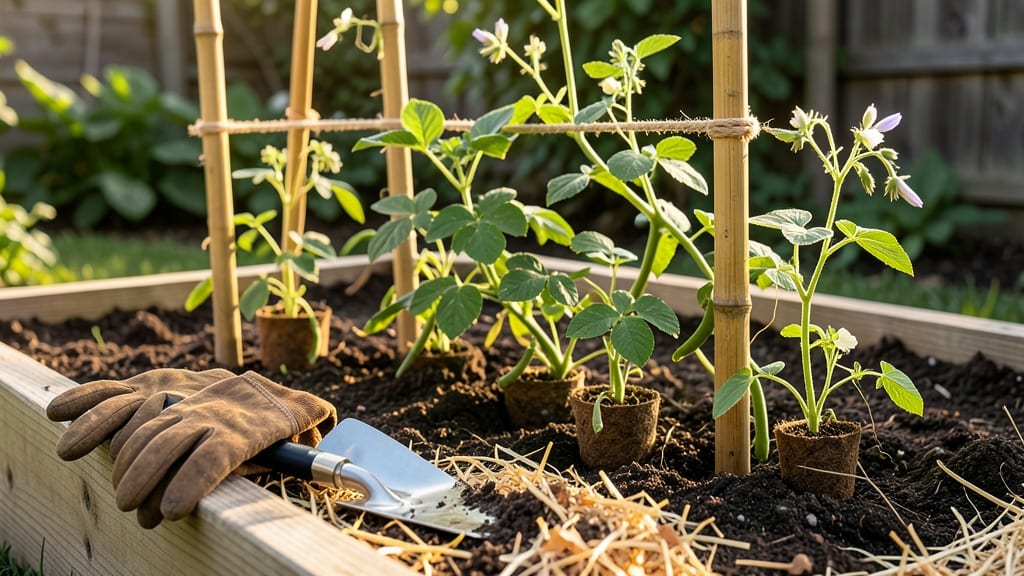
Timing when to plant beans in zone 5 just right could mean the difference between a garden overflowing with fresh pods and a sad, wilted disappointment.
The wrong move—planting too early when the soil is still chilly or too late when summer heat arrives—can leave you with stunted growth or no harvest at all.
I’ve learned the hard way that beans thrive when planted after the last frost, but not too late in the season. For Zone 5 gardeners, that means getting them in the ground between April 15 and June 1, when soil temperatures hit that sweet spot of 60°F.
But there’s more to it than just dates—soil warmth, variety type, and even a second planting in fall can extend your harvest.
Whether you’re growing bush beans for quick pickings or pole beans for a climbing feast, this guide breaks down the exact windows to plant for maximum yield. You’ll discover how to avoid common mistakes and even squeeze in a second crop before winter sets in.
Ready to turn your garden into a bean bonanza? Let’s dive into the precise timing, soil prep, and pro tips that’ll have you harvesting fresh pods all season long.
Best weeks after last frost to plant beans in Zone 5 for maximum yield
In Zone 5, timing is everything when planting beans. The last frost date—typically around mid-May—marks the start of your ideal planting window. However, soil temperature matters just as much as air temperature.
Beans thrive when soil reaches 60°F (15°C), which usually happens 2-3 weeks after the last frost in most Zone 5 regions.
For bush beans and pole beans, aim to plant 1-2 weeks after your last frost. This gives the soil time to warm up while avoiding late spring frosts that can damage tender seedlings.
In my experience, planting too early—before the soil warms—leads to stunted growth or even seed rot. Always check your local frost dates, as they can vary by 5-7 days within Zone 5.
Here’s the breakdown of your optimal planting windows for Zone 5:
| Variety | Planting Window (After Last Frost) | Soil Temp Requirement | Notes |
|---|---|---|---|
| Bush Beans | Weeks 1-2 (April 20 - May 5) | 60°F+ (15°C+) | Fast-maturing; plant early for first harvest. |
| Pole Beans | Weeks 2-3 (May 5 - May 15) | 60°F+ (15°C+) | Longer season; wait slightly longer for stability. |
| Lima Beans | Weeks 3-4 (May 15 - May 30) | 65°F+ (18°C+) | Heat-loving; avoid planting before soil warms fully. |
| Fall Varieties | September 1 - September 30 | 60°F+ (15°C+) | Choose fast-maturing varieties to harvest before frost. |
If you’re planting bush beans, don’t wait too long—these varieties mature quickly (typically in 50-60 days). For pole beans, which take 60-90 days to produce, you’ve got a slightly longer window.
My rule of thumb? Plant bush beans first, then follow with pole beans 10-14 days later to stagger your harvest.
For those in northern Zone 5 (e.g., Minneapolis, Buffalo), aim for late May planting. In southern Zone 5 (e.g., Kansas City, Richmond), you can start as early as mid-April if your soil warms quickly. Always test soil temperature with a soil thermometer—it’s the most reliable way to avoid guesswork.
One mistake I’ve seen gardeners make is planting beans too close to summer heat. If you’re in a hot Zone 5 area (like St. Louis or Cincinnati), temperatures above 85°F (29°C) can stress beans, reducing yield.
For these regions, consider fall planting in late August or early September to avoid summer heat.
Finally, don’t overlook fall planting! In Zone 5, you can often squeeze in a second crop by planting fast-maturing varieties in late summer. Aim for a harvest before the first frost, usually around mid-October.
Just be sure to choose varieties labeled for short seasons, like 'Provider' or 'Blue Lake'.
Pro tip: Use black plastic mulch to warm soil faster in spring. It can shave 1-2 weeks off your planting timeline by raising soil temperatures 5-10°F. Just remove it once beans start flowering to prevent overheating.
Best weeks after last frost to plant beans in Zone 5 for maximum yield
In Zone 5, timing your bean planting is critical—beans thrive when soil temperatures hit 60°F (15°C), but they’ll bolt or fail if planted too early.
The last frost date (typically mid-May) sets your deadline, but regional variations within Zone 5 mean you’ll need to adjust based on your exact location.
For spring planting, aim to sow seeds 2-4 weeks after your last frost. This usually lands between April 15 and June 1, depending on microclimates.
Northern Zone 5 areas (like Minnesota or upstate New York) should wait until late May, while southern edges (like northern Missouri) can plant as early as mid-April.
🌱 Zone 5 Bean Planting Timeline
| Variety | Soil Temp | Planting Window | Days to Harvest |
|---|---|---|---|
| Bush Beans | 60°F+ | April 15–May 30 | 50–60 days |
| Pole Beans | 60°F+ | May 1–June 1 | 60–75 days |
| Lima Beans | 70°F+ | June 1–July 15 | 70–90 days |
💡 Pro Tip: Use a soil thermometer to confirm temperatures before planting—cold soil delays germination.
Don’t overlook fall planting in Zone 5! For a late harvest, sow seeds September 1–30, choosing fast-maturing varieties (like ‘Blue Lake’) to avoid frost. Plant in well-drained soil and use row covers if nights dip below 50°F (10°C).
If you’re unsure about your last frost date, check the USDA Plant Hardiness Zone Map or use local cooperative extension service resources. Even a 10-day delay can mean the difference between a thriving crop and stunted growth.
For pole beans, which need more warmth, wait until after June 1 in cooler microclimates. These vining varieties reward patience with longer harvest windows—up to 2 months if cared for properly.
🌱 Always plant seeds 1–2 inches deep and space them 2–4 inches apart for optimal airflow. Thin seedlings to 3–4 inches apart once they’re 2 inches tall to prevent disease.