
Plants
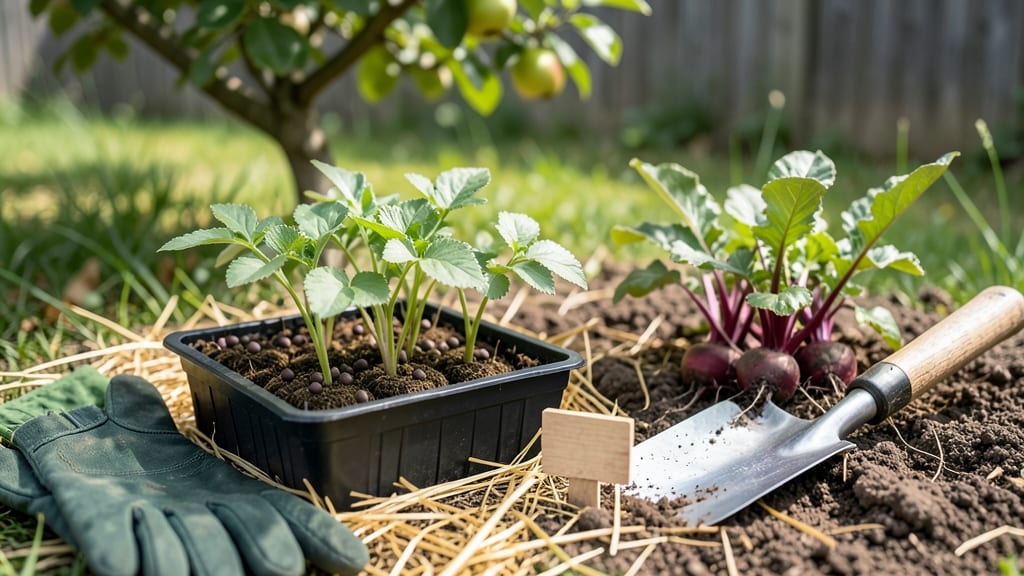
Timing your 🍠 beet planting in Central Florida isn't just about the calendar—it's about outsmarting the heat and humidity that can turn your garden dreams into bolting disasters. Those fall and spring windows are your golden ticket to sweet, tender roots instead of bitter, woody messes.
Most gardeners here make one critical mistake: planting too early or too late, leaving their beets struggling through Florida's unpredictable swings.
But when you nail those September-November and February-March windows, you're setting yourself up for success—avoiding the extreme heat that triggers bolting and the frost risks that can ruin your crop.
I've grown beets in Central Florida's Zone 9a for years, and let me tell you, the difference between a perfect harvest and a failed attempt often comes down to these exact months.
Whether you're a beginner or a seasoned gardener, knowing when to plant gives you the edge to grow beets that stay sweet and plentiful all season.
Ready to unlock the secrets? Let's dive into the exact planting schedule and soil prep tips that will transform your garden from hit-or-miss to consistently delicious. Your taste buds will thank you!
Best planting months for beets in Central Florida (avoid bolting)
Central Florida’s USDA Zone 9a climate means summer heat and humidity can turn your beet seeds into bitter, bolted failures. The key? Planting during cooler months when temperatures stay between 50°F and 75°F—this keeps roots tender and prevents premature flowering.
Miss these windows, and you’ll end up with tough, woody beets or sad, seed-filled greens.
For sweet, plump beets, focus on two planting seasons: fall (September–November) and early spring (February–March). These months align with Central Florida’s coolest temperatures and optimal rainfall, giving your beets the best shot at success.
Let’s break down the exact calendar and what to watch for in each microclimate—whether you’re in Orlando’s heat pockets, Tampa’s coastal breezes, or Gainesville’s slightly cooler hills.
🍠
| Planting Window | Ideal Temperature | Bolting Risk | Notes for Central FL |
|---|---|---|---|
| September | 65°F–80°F | Low | Best start for fall harvest. Use shade cloth if temps rise above 85°F. |
| October | 60°F–75°F | Very Low | Peak planting month. Soil stays warm enough for germination but cools for root growth. |
| November | 55°F–70°F | Low | Last chance for fall. Cover with row fabric if frost threatens (rare but possible). |
| February | 60°F–75°F | Low | Early spring planting. Soil may still be cool—amend with compost for warmth. |
| March | 65°F–80°F | Moderate | Last spring window. Watch for heat spikes—plant in afternoon shade if needed. |
If you’re in Tampa’s coastal zone, you might squeeze in a late August planting—but only if you’re prepared to use shade cloth (30–50%) to block midday sun. The sandy soil here drains too fast, so mix in 2–3 inches of compost before sowing to retain moisture.
In Gainesville’s slightly cooler uplands, you can push November plantings later, but add a light frost blanket if nights dip below 50°F.
Pro tip: Direct-sow seeds (don’t transplant seedlings) for the best results. Beets hate root disturbance, and Florida’s heat stress makes them even more sensitive. Sow seeds ½ inch deep, 1 inch apart, and thin to 3–4 inches once seedlings have 2 true leaves.
This spacing prevents overcrowding, which stresses plants and triggers bolting.
For year-round harvests, aim to have beets in the ground every 2–3 weeks during your chosen season. This staggered approach ensures a steady supply of fresh roots. For example, if you plant September 1st, follow up with September 15th, October 1st, and October 15th sowings.
Each batch will mature at different times, giving you beets from December through February.
Watch out for heat spikes in late spring or early fall. Even a few days above 85°F can send beets bolting. If your forecast shows unseasonable heat, move seedlings to a shadier spot or cover them with lightweight row fabric during peak sun hours.
This simple trick can buy you 2–3 extra weeks of growing time.
🌱
One common mistake is assuming “cool” means “any temperature below 80°F”. Beets actually prefer consistent daytime temps below 75°F and nighttime temps above 50°F. In Central Florida, this narrow window is why fall planting is your best bet.
Spring plantings in March can still work if you’re vigilant about shade and watering, but by April, the risk of bolting skyrockets.
To test your soil’s readiness, dig a 6-inch hole and check the temperature with a soil thermometer. Ideal planting temps are 60°F–70°F. If your soil is co
How to extend beet harvests: succession planting for Central Florida
Succession planting is your secret weapon for a steady supply of sweet, tender beets all year in Central Florida. Instead of one big harvest, you’ll enjoy fresh roots every few weeks—just by spacing out your plantings.
The key is timing these sowings to match Florida’s cooler seasons and avoiding the brutal summer heat.
Start your first round in late August (just before school starts!) to catch the tail end of summer’s heat. These early seedlings will mature by October or November, giving you a jump on the fall harvest.
Then, repeat plantings every 2–3 weeks until mid-October. This staggered approach ensures you’re always harvesting while new seeds germinate in milder soil.
🌱 Pro Tip: Use shade cloth (30–50%) over summer plantings if temperatures creep above 85°F. Even a few degrees cooler can prevent bolting and keep your beets growing strong. Secure the cloth with stakes and leave space for airflow—trapped heat is worse than no shade at all.
📌 Succession Planting Timeline for Central Florida
- Late August: First sowing for fall harvest (harvest by October)
- Mid-September: Second sowing (harvest November–December)
- Early October: Third sowing (harvest December–January)
- February: First spring sowing (harvest April–May)
- March: Second spring sowing (harvest May–June)
Central Florida’s sandy soil drains too quickly for beets, so amend beds with 2–3 inches of compost before each planting. Mix in a handful of aged manure or worm castings to retain moisture and nutrients.
After sowing, water gently but deeply—1 inch per week—to encourage strong root development without stress.
Don’t forget about pest pressure during these extended harvests. Flea beetles and aphids love young beet greens, so spray seedlings with neem oil or introduce beneficial nematodes to the soil.
A light mulch of straw also deters pests while keeping soil moist. With this method, you’ll harvest beets from October through June—no gaps, no waste!
💡 Bonus: Save seeds from your healthiest beets for next year! Let a few plants bolt and go to seed in late spring. Dry the seed heads, then store them in a cool, dark place. This saves money and ensures varieties suited to Central Florida’s climate.