
Plants
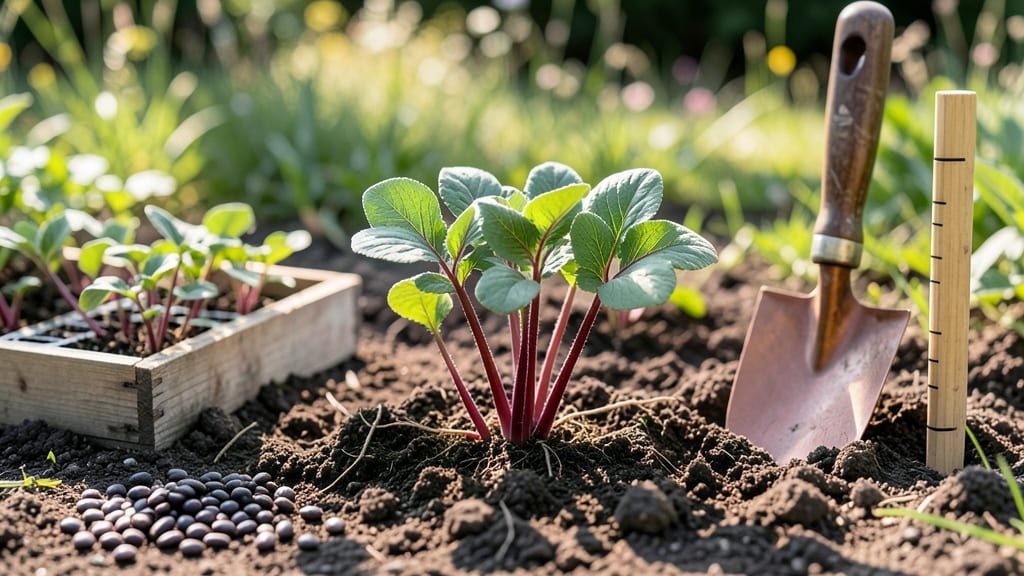
If you've ever planted 🍠 beets in Zone 7a only to watch them bolt or turn bitter before harvest, you're not alone. The key to growing sweet, tender beets lies in understanding the exact timing that works for your climate—and getting it wrong means wasted effort.
Zone 7a's mild winters and warm summers create a tricky balance for beet growers. Plant too early, and you risk bolting from cool weather; too late, and heat stress turns your harvests woody. The solution? Strategic planting windows that align with your local frost dates and soil temperatures.
In this guide, I'll break down the ideal weeks to plant beets in Zone 7a—both spring and fall—for continuous harvests without the frustration. Whether you're a first-time gardener or looking to refine your technique, these insights will help you time your plantings perfectly.
From calculating your frost dates to choosing the right varieties for your microclimate, you'll discover how to extend your growing season and avoid common pitfalls. Let's get those beets growing just right!
Optimal planting windows for beets in Zone 7a: avoid bolting and heat stress
In Zone 7a, timing your beet plantings correctly is the secret to avoiding bitter, woody roots and premature bolting. Beets thrive in cool weather and struggle when temperatures exceed 80°F.
The sweet spot for planting is when soil temperatures hover between 50°F and 70°F, ensuring steady growth without stress.
For most of Zone 7a, this means two prime planting windows: early spring (as soon as the ground is workable) and late summer (6-8 weeks before your first frost).
Missing these windows often leads to disappointing harvests, so let’s break down the exact timing and how to adjust for your local microclimate.
🌱 Zone 7a Beet Planting Guide
| Planting Window | Ideal Planting Dates | Soil Temp | Key Considerations |
|---|---|---|---|
| Early Spring | Mid-March to early April | 50°F-65°F | Start seeds indoors 4-6 weeks before last frost for early harvests. |
| Late Summer | Mid-August to early September | 60°F-70°F | Use shade cloth if temps exceed 85°F to prevent bolting. |
| Fall Extension | Late September (if frost-free) | 55°F-65°F | Cover with row covers to push harvests into October. |
Your last frost date in Zone 7a typically falls around March 15, but this can vary by 5-10 days depending on elevation and local weather patterns. To pinpoint your exact window, check your local weather station or use the USDA Plant Hardiness Zone Map for microclimate adjustments.
For example, if you’re in the mountains of Zone 7a, frost may linger until April 1, while coastal areas might see workable soil by mid-March.
Planting too early in cold soil (45°F or below) slows germination and invites rot, while waiting too long risks summer heat stress.
To extend your harvest window, use floating row covers or low tunnels during both spring and fall plantings. These tools can push your fall harvests into October and protect tender seedlings from unexpected late frosts. Just
Bolting—when beets send up flower stalks—is a common frustration in Zone 7a. This happens when days get too long (14+ hours of daylight) or temperatures climb above 80°F. To prevent it, choose heat-tolerant varieties like 'Early Wonder Tall Top' and avoid planting after mid-June unless you’re using shade solutions.
Pro tip: Test your soil temperature with a soil thermometer before planting. Beets need consistent warmth to germinate, and soil temps below 50°F can delay sprouting by weeks. Aim for 55°F-65°F for optimal seedling vigor.
If you’re new to beet growing, start with successive plantings every 2-3 weeks during your ideal windows. This ensures a steady supply of fresh beets without overwhelming your garden. For example, plant your first batch in late March, then follow up in April and August for a fall harvest.
Remember, beets are cool-season crops, so they’ll tolerate light frosts once established. In fact, a light frost can even sweeten their flavor! Just avoid planting when hard freezes are forecasted, as young seedlings won’t survive.
Optimal planting windows for beets in Zone 7a: avoid bolting and heat stress
In Zone 7a, timing your 🍠 beet plantings to match soil temperatures and frost dates is the secret to avoiding woody roots and premature bolting. The ideal windows are early spring (March-April) and late summer (August-September), when soil temps hover between 45°F and 85°F.
Planting outside these ranges risks stress that turns your harvest bitter.
Spring plantings should begin 2-4 weeks before your last frost date—typically around mid-March in Zone 7a. For fall, aim to sow seeds 8-10 weeks before your first frost (usually by early September). These windows give beets enough time to mature before extreme heat or cold sets in.
🌱 Pro Tip: Use a soil thermometer to confirm temps are ideal. Beets need soil between 50°F-75°F to germinate properly. If your soil runs cooler, wait until it warms up—cold soil delays germination and invites rot.
| Season | Planting Window | Soil Temp | Key Consideration |
|---|---|---|---|
| Spring | Mid-March to early April | 50°F-75°F | Avoid bolting by spacing plantings 2-3 weeks apart |
| Fall | Early August to mid-September | 60°F-75°F | Harvest before first frost (Nov 15) |
For gardeners in Zone 7a microclimates (like urban heat islands or sheltered valleys), adjust your timing by 1-2 weeks. If your area tends to heat up faster, start fall plantings 2 weeks earlier to avoid summer stress. Conversely, cooler microclimates may need a 1-week delay in spring.
Extend your season with row covers or lightweight fabric to protect seedlings from late frosts. These tools let you plant 2 weeks earlier in spring or 3 weeks later in fall without risking damage. Just remove covers when temps rise above 80°F to prevent overheating.
🌡️ Critical Tip: Stop planting beets 6-8 weeks before your first frost. If sown too late, they won’t mature before cold sets in, leaving you with small, tough roots. Use this rule to calculate your last planting date each season.