
Plants
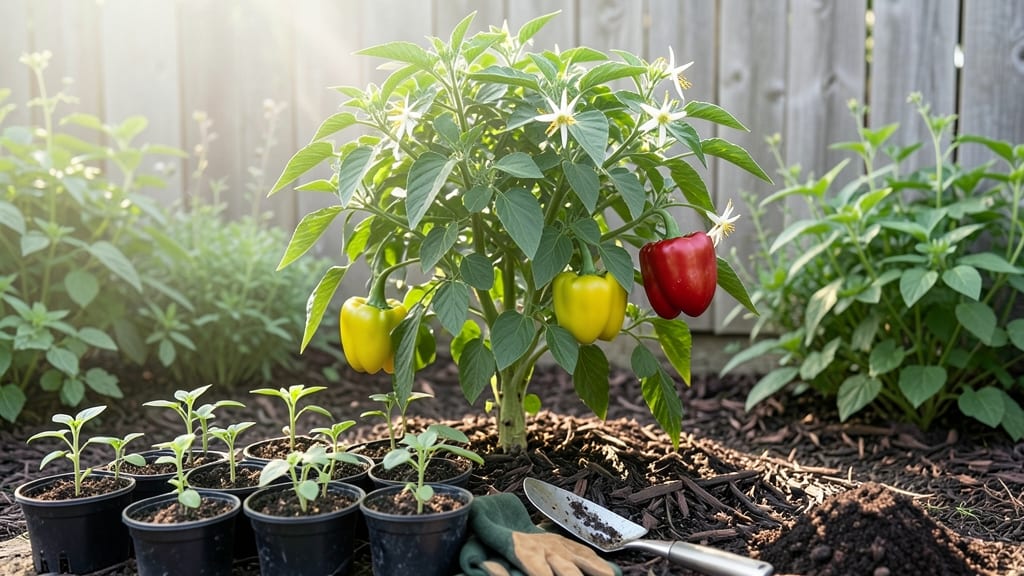
Timing your bell pepper 🌶️ planting in Arizona isn’t just about avoiding frost—it’s about mastering the desert’s heat, monsoons, and microclimates that can turn a great crop into a gamble. With the right schedule, you’ll beat the summer scorcher and enjoy peppers from June through October, but get it wrong, and you’re left with wilted seedlings or plants that bolt before they bear fruit.
Most Arizona gardeners know the basics—start seeds indoors in February or transplant in March—but the real trick lies in adjusting for your specific corner of the state.
Whether you’re in Phoenix’s urban heat island, Flagstaff’s cooler high desert, or Yuma’s extreme low desert, soil temperatures and monsoon timing can shift your ideal window by weeks. I’ll break down exactly when to plant for your microclimate, so you can skip the guesswork and head straight to harvest.
Here’s what you’ll discover: why waiting until soil hits 60°F makes all the difference, how to protect seedlings from sudden humidity spikes, and which varieties thrive in Arizona’s brutal summers. No more second-guessing—just a foolproof plan to grow bell peppers that actually last through the heat.
Ready to transform your garden from a high-stakes gamble into a predictable harvest? Let’s dive into the exact dates, techniques, and tweaks that work for Arizona’s unique growing conditions.
Arizona’s bell pepper planting zones: when to start indoors vs. outdoors
Arizona’s diverse climate—from the scorching Sonoran Desert to the cooler high desert—means bell pepper planting dates vary wildly. Unlike northern states, we don’t have to worry about hard frosts, but soil temperature and heat tolerance become our biggest challenges.
The key? Start seeds indoors 8-12 weeks before transplanting to avoid bolting or heat stress.
For most of Arizona (USDA zones 9b-10a), the ideal transplant window is late February to early March. But in high-desert areas like Flagstaff (zone 7b), you’ll need to push that window to mid-March to April to account for cooler soils.
Meanwhile, Yuma and Phoenix gardeners can start transplants as early as January if using black plastic mulch to warm the soil.
Direct sowing outdoors is trickier—wait until soil temps hit 60°F+ (use a soil thermometer!) and nighttime temps stay above 55°F. In low deserts like Tucson, this usually means late March to early April.
In higher elevations, hold off until mid-April or May to avoid monsoon-related fungal diseases.
| Region | USDA Zone | Indoor Start (Seeds) | Outdoor Transplant | Direct Sow | Heat-Tolerant Variety |
|---|---|---|---|---|---|
| Phoenix/Tucson | 10a-11a | Jan 15 - Feb 15 | Feb 20 - Mar 10 | Mar 20 - Apr 10 | NuMex Sandia |
| Flagstaff/Sedona | 7b-8a | Feb 20 - Mar 15 | Mar 20 - Apr 10 | Apr 15 - May 1 | Carmen |
| Yuma | 9b-10a | Jan 1 - Feb 1 | Jan 20 - Feb 15 | Feb 15 - Mar 1 | Aristotle |
Pro tip: Use heat-tolerant varieties like ‘NuMex Sandia’ or ‘Carmen’—they handle Arizona’s 100°F+ days far better than standard supermarket peppers. These varieties also bolt less easily when temperatures spike suddenly, which is critical during monsoon transitions.
If you’re in a microclimate (like a shaded urban yard), delay planting by 2-3 weeks to avoid heat stress on young seedlings. Conversely, raised beds with black plastic mulch can let you plant 1-2 weeks earlier by warming the soil faster.
Always check soil temperature at the depth of your seeds—it’s the #1 predictor of success.
For extended-season growing, consider a second planting in late July for a fall harvest. Use shade cloth (30-50%) to protect seedlings from intense midday sun until they establish roots. This works best in higher elevations where nights cool off more.
Remember: Arizona’s growing season is long, but timing is everything. Plant too early, and you’ll deal with bolting or poor fruit set. Plant too late, and you’ll miss the harvest window before first frost (yes, it can happen in December!).
🌶️
How to adjust planting dates for Arizona’s microclimates and monsoon risks
Arizona’s microclimates can shift your bell pepper planting window by 4-6 weeks, depending on whether you’re in Phoenix’s urban heat island or Flagstaff’s cooler high desert. The key is adjusting for soil warmth, monsoon timing, and local frost risks—even in rare high-desert freezes.
For example, Phoenix gardeners can start seeds indoors in late January, while Flagstaff’s cooler temps delay indoor starts until mid-February.
Monsoons add another layer of complexity. Sudden humidity spikes in July-August can trigger fungal diseases like powdery mildew if seedlings aren’t hardened off properly. I’ve learned to time outdoor transplants for early June—just before monsoon rains—to give plants time to establish roots before the humidity peaks.
This strategy works best for heat-tolerant varieties like ‘NuMex Sandia’ or ‘Carmen’, which handle Arizona’s brutal summers better than standard hybrids.
Here’s the critical adjustment most Arizona gardeners miss: soil temperature. Bell peppers need soil at least 60°F (15°C) to germinate, but in desert climates, surface temps can hit 100°F+ by midday. Use a soil thermometer to check depths of 2-3 inches—wait until morning readings consistently hit 65°F+ before planting.
In Yuma’s low desert, this might mean waiting until late March, while Tucson’s mid-elevation zones can plant 2 weeks earlier.
🌡️ Arizona Microclimate Adjustments
- 🏜️ High Desert (Flagstaff): Start indoors Feb 15-March 1; transplant April 15-May 1
- 🏙️ Urban Heat (Phoenix): Start indoors Jan 20-Feb 15; transplant March 1-April 1
- 🏜️ Low Desert (Yuma): Start indoors Feb 1-March 1; transplant April 1-May 1
- 🌧️ Monsoon Zone: Harden off seedlings 2 weeks before first rains (usually late June)
To protect seedlings from monsoon risks, I use black plastic mulch to warm soil faster and shade cloth (30-50%) during the hottest afternoons. For high-desert areas, row covers with vents help trap heat while allowing airflow.
Another pro tip: plant in raised beds filled with compost-rich soil—this improves drainage during sudden downpours and keeps roots cooler during heatwaves.
Timing your planting to avoid fungal diseases during monsoons is all about preventative care. Space plants 18-24 inches apart for airflow, and water at the base (not overhead) in the early morning.
If you notice yellowing leaves or white powder on stems, prune affected areas immediately and treat with neem oil. I’ve found that resistant varieties like ‘Aristotle’ or ‘Jupiter’ handle Arizona’s humidity better than standard bell peppers.
For gardeners in urban heat islands, like Phoenix, the biggest challenge is heat stress. If daytime temps exceed 95°F for more than 3 days, bell peppers may stop producing fruit.
To combat this, I’ve started using drip irrigation with mulch to keep soil temps stable and provide afternoon shade with temporary shade cloth. This simple tweak can extend your harvest window by 2-3 weeks in the late summer.
Remember, Arizona’s microclimates mean there’s no one-size-fits-all answer. Experiment with staggered plantings—start some seeds indoors in January and others in March—to spread out your harvest and reduce risks.
With these adjustments, you’ll avoid the common pitfalls of bolting, fungal diseases, and heat stress, and enjoy bell peppers from June through October every year. 🌶️