
Plants
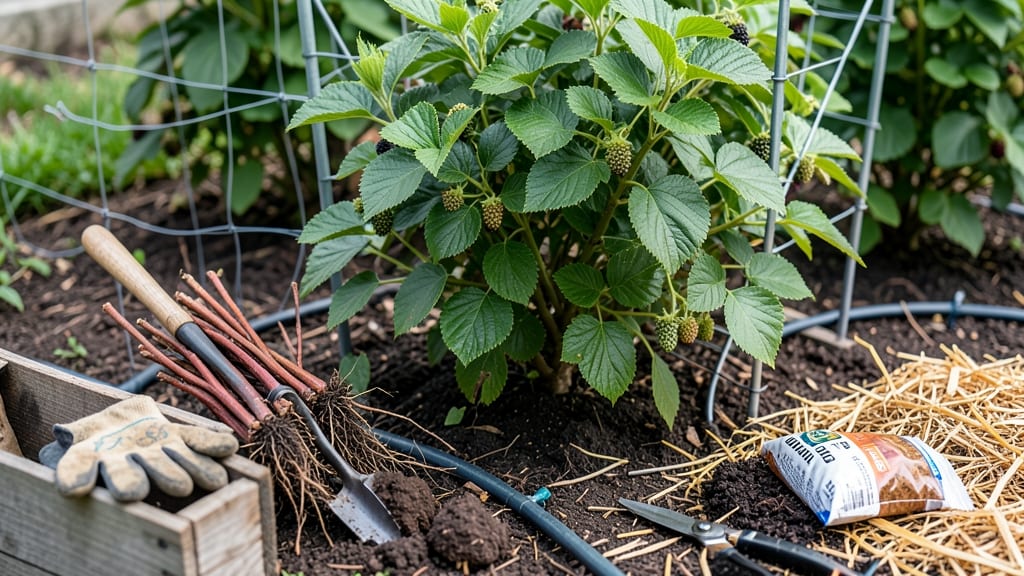
Timing your blackberry planting in Colorado can make all the difference between thriving 🍇 canes and struggling vines—especially with the state’s unpredictable frost dates and varied USDA zones.
If you’ve ever wondered why some gardeners in zone 5-7 swear by spring planting while others prefer fall, the answer lies in your local climate and variety. The key is planting when the soil is workable but before the heat of summer or the first hard frost.
In this guide, I’ll break down the best months to plant by zone, soil prep secrets for Colorado’s alkaline earth, and how to choose varieties that handle our high-altitude swings. Let’s get those canes growing strong!
Whether you’re a first-time gardener or a seasoned pro, mastering the timing will give you juicier berries and fewer headaches. Ready to dig in?
Best months to plant blackberries in Colorado by USDA zone (4-7)
Colorado’s diverse climate zones (USDA zones 4-7) create unique challenges for blackberry growers. Timing your planting around last frost dates and soil temperatures ensures strong root establishment before winter.
In zone 4 (e.g., Grand Junction), aim for late April to early May, while zone 7 (e.g., Colorado Springs) allows earlier March-April planting.
Fall planting is also ideal in zones 5-7, with September-October windows. This lets roots establish before winter dormancy. High-altitude areas (e.g., Denver at 5,280 ft) may need 2-4 weeks later due to cooler microclimates.
Always check your local frost dates—Colorado’s spring frosts can linger until mid-May in zone 4.
Thornless varieties like ‘Triple Crown’ adapt better to Colorado’s shorter seasons, while traditional types (e.g., ‘Chester’) thrive in warmer zones (6-7). Bare-root plants should be ordered 8-12 weeks before planting to avoid delayed shipments. For container-grown blackberries, plant anytime soil isn’t frozen, but spring is best for maximum fruiting.
| USDA Zone | Recommended Planting Months | Key Climate Factors | Variety Recommendations | Soil Prep Deadline |
|---|---|---|---|---|
| Zone 4 (Grand Junction) | Late April–Early May | Last frost: May 1; short season | ‘Triple Crown’ (thornless) | March 15 (soil >40°F) |
| Zone 5 (Denver) | March–April or Sept–Oct | Last frost: April 15; first frost: Oct 15 | ‘Natchez’ (thornless) | February 28 (spring) or Aug 31 (fall) |
| Zone 6 (Fort Collins) | Early March–April or Sept | Last frost: April 1; longer season | ‘Chester’ (thorny) | February 15 (spring) or Aug 15 (fall) |
| Zone 7 (Colorado Springs) | February–March or Sept–Oct | Last frost: March 15; mild winters | ‘Arapaho’ (early ripening) | January 31 (spring) or Sept 1 (fall) |
For container planting, adjust timing by 2-4 weeks earlier—containers warm faster in spring. Blackberries need 6-8 hours of sun daily, so avoid shady spots, even in high-altitude gardens. Mulch heavily (4-6 inches) with straw or wood chips to insulate roots during Colorado’s temperature swings.
If planting in fall, choose disease-resistant varieties like ‘Ouachita’ to combat humid September conditions. Bare-root plants should be soaked for 2-4 hours before planting to rehydrate roots. Avoid planting in late fall—roots need 4-6 weeks to establish before winter dormancy.
Colorado’s alkaline soils (pH 7.5-8.5) often need sulfur amendments to lower pH to 5.5-6.5. Test soil 4-6 weeks before planting—this gives time to adjust. High organic matter (compost or aged manure) improves water retention in well-draining soils, critical for blackberry health.
In zone 4, prioritize early-maturing varieties to avoid short growing seasons. Zone 7 gardeners can experiment with late-season varieties like ‘Black Satin’ for extended harvests. Always space canes 4-6 feet apart—crowding reduces airflow and increases disease risk.
Pro tip: Use <
How to prepare Colorado soil for blackberry planting (and avoid these mistakes)
Colorado’s alkaline soils and unpredictable frost patterns demand extra prep work before planting blackberries. Unlike other regions, our high pH levels (often 7.5-8.5) can stunt root growth if unchecked.
The secret? Testing and amending your soil 6-8 weeks before planting to create the perfect acidic environment (ideal pH: 5.5-6.5) for blackberry roots.
Start by collecting soil samples from your garden bed—especially if you’ve never grown berries before. Send them to a lab (like Colorado State University’s Soil Testing Lab) for a full analysis.
This will reveal whether your soil needs sulfur (to lower pH) or lime (to raise it). For most Colorado gardens, sulfur is the game-changer.
Once you’ve adjusted the pH, focus on drainage. Blackberries hate soggy roots, and Colorado’s clay-heavy soils can trap moisture. Amend your soil with compost (2-3 inches mixed into the top 12 inches) and consider adding organic matter like peat moss or well-rotted manure.
Raised beds are another smart move for areas with poor drainage.
Here’s the critical timeline for soil prep:
- 6-8 weeks before planting: Test soil, amend pH, and add compost.
- 2-3 weeks before planting: Till in amendments and level the bed.
- 1 week before planting: Add a 2-inch layer of mulch (straw or wood chips) to retain moisture and suppress weeds.
⚠️ Common Soil Mistakes in Colorado
- Skipping soil tests: Colorado’s alkaline soils often need sulfur to lower pH—skip this, and your blackberries will struggle to absorb nutrients.
- Planting in low-lying areas: Cold air sinks, so frost pockets in valleys or depressions can delay growth or kill young canes.
- Over-fertilizing with nitrogen: Too much nitrogen = leafy growth at the expense of fruit-bearing canes. Stick to a balanced 10-10-10 fertilizer.
Don’t forget to protect new plants from late-season frosts, which can be brutal in Colorado’s high-altitude zones. After planting, mound soil or mulch around the base of the canes to create a thermal barrier.
In zone 5, this is especially critical—even a light frost can damage tender new growth.
Finally, mark your planting site with stakes or flags to avoid disturbing the roots later. Blackberries are permanent plants—once established, they’ll thrive for years with minimal disruption. With the right soil prep, you’ll set your blackberries up for bigger canes and sweeter berries in their first season.