
Plants
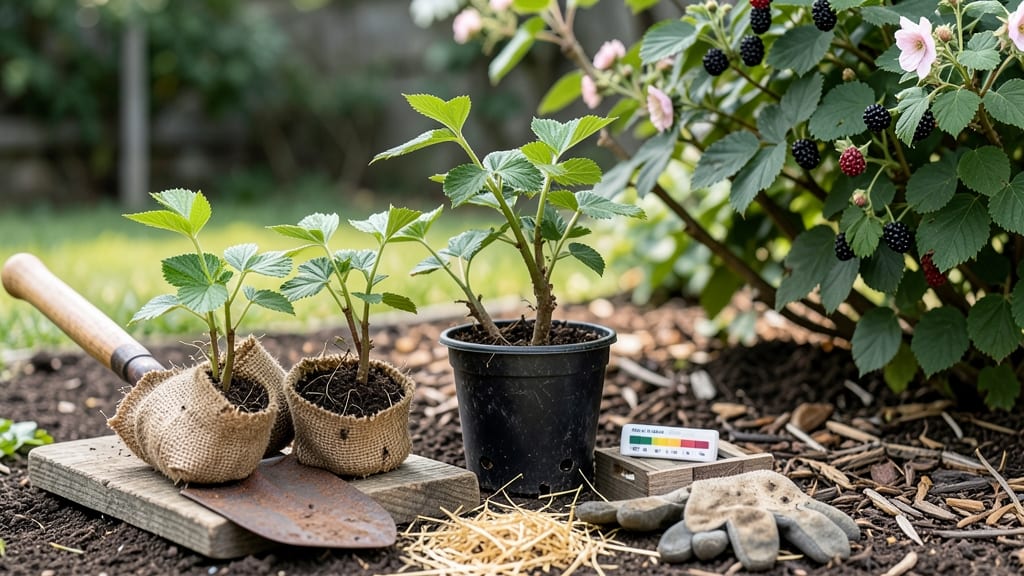
Timing your blackberry planting in Florida isn't just about the calendar—it's about matching varieties to the chill hours your region actually delivers. Skip this step, and you might end up with canes that bloom but never fruit, or worse, struggle to survive the heat.
The key? Planting between February and March when cooler temperatures give young roots a fighting chance before summer's intensity kicks in.
Florida's microclimates make this even trickier. North Florida's 8a-9a zones get enough chill to handle traditional varieties, while South Florida's 10a-11 zones need low-chill types that thrive with minimal winter rest.
I'll show you exactly which varieties work where and how to spot the signs of a well-timed planting—because getting this right means the difference between a bountiful harvest and a sad, fruitless bush.
Let's cut through the confusion about Florida's variable frost dates. Whether you're in Jacksonville or Miami, you'll learn how to prepare your soil, choose the right varieties, and protect your plants from unexpected cold snaps.
With spring's long growing season on your side, you can turn your backyard into a blackberry oasis—if you plant at the perfect moment.
Ready to avoid the common mistakes that leave Florida gardeners frustrated? I'll walk you through the exact steps to plant your blackberries for maximum success, from soil prep to variety selection. Your first sweet, juicy 🫐 is just a few months away—if you time it right.
Best planting times for Florida blackberries by chill-hour requirements
Florida’s unique climate—spanning USDA Zones 8a-11—means blackberry planting times vary dramatically from North Florida to South Florida. The key? Matching your variety to chill-hour requirements, since Florida’s mild winters often lack the 500+ hours many traditional blackberries need.
Without this match, your canes may produce little to no fruit.
In North Florida (Zones 8a-8b), where occasional frost and cooler winters occur, you can plant moderate-chill varieties (500-700 hours) like 'Arapaho' or 'Natchez' as early as late January to February. These varieties benefit from the cooler winter months to dormancy-trigger and set buds for spring fruiting.
Meanwhile, Central and South Florida (Zones 9a-11) rarely drop below 40°F, making them ideal for low-chill varieties (300-500 hours) like 'Ouachita' or 'Chester'. Here, planting should occur from February to early March to avoid the summer heat stress that can overwhelm newly planted canes.
Here’s a quick guide to Florida’s microclimate zones and their ideal planting windows, broken down by chill-hour needs:
| Florida Zone | Chill-Hour Range | Best Varieties | Planting Window | Key Tip |
|---|---|---|---|---|
| North (8a-8b) | 500-700 hrs | Arapaho, Natchez, Chester | Late Jan–Feb | Plant after last frost risk |
| Central (9a-9b) | 300-500 hrs | Ouachita, Prime-Ark Freedom | Feb–early March | Avoid summer planting |
| South (10a-11) | 0-300 hrs | Florida 47, Florida Brightwell | Feb–March | Use shade cloth in summer |
For North Florida growers, timing is critical to avoid frost damage to new canes. Plant in late January once the soil temperature rises above 60°F, and mulch heavily with straw or wood chips to insulate roots during occasional cold snaps.
In Central Florida, where frosts are rare, focus on planting in February to give canes time to establish before the humid summer heat sets in.
In South Florida, where winters are nearly frost-free, the primary concern shifts to heat stress. Plant in early March to allow canes to root before the 90°F+ temperatures of April. Use drip irrigation and shade cloth during peak summer months to protect young plants from sunscald and dehydration.
Pro tip: If you’re in a transition zone (e.g., Orlando or Tampa), consider planting low-chill varieties like 'Prime-Ark Freedom' for flexibility. These can handle 300-500 chill hours and produce fruit reliably even in warmer microclimates. Always verify chill-hour data from your local Cooperative Extension office for precise recommendations.
Finally, remember that bare-root canes should be planted as soon as they arrive, ideally within 1-2 weeks of purchase. Delaying planting can lead to root desiccation, especially in Florida’s dry winter months. Soak canes in water for 1-2 hours before planting to rehydrate roots and improve survival rates.
With the right variety and timing, your blackberries can thrive year-round in Florida’s climate—producing sweet, juicy berries from spring through summer. 🌱
Best planting times for Florida blackberries by chill-hour requirements
Florida’s climate varies dramatically from North to South, making chill-hour requirements the key factor for successful blackberry planting. Unlike cooler climates, Florida’s USDA Zones 8a-11 mean some varieties thrive year-round while others need careful timing to avoid heat stress.
For North Florida (Zones 8a-8b), where light frosts occur, aim for late winter (February) planting. This gives canes time to establish roots before summer heat arrives.
In Central and South Florida (Zones 9a-11), where frosts are rare or nonexistent, early spring (March-April) is ideal to avoid summer’s intense humidity.
| Region | Best Planting Window | Chill-Hour Needs | Top Varieties |
|---|---|---|---|
| North Florida (Zones 8a-8b) | Late February - Early March | 500-700 hours | Arapaho, Natchez, Ouachita |
| Central Florida (Zones 9a-9b) | March - Early April | 300-500 hours | Prime-Ark Freedom, Chester |
| South Florida (Zones 10a-11) | April - May | 0-300 hours | Onetta, Florida Brightwell |
In North Florida, varieties like Arapaho (600+ chill hours) perform best when planted in February to avoid summer heat stress. Meanwhile, South Florida’s tropical heat makes April-May planting ideal for low-chill varieties like Onetta, which thrives with minimal winter dormancy.
Always check your local chill-hour data—Florida’s microclimates can shift planting windows by weeks. For example, Gainesville (Zone 8a) may need February planting, while Tampa (Zone 9b) can wait until March without risking heat damage.
Pro tip: If planting in summer (June-August), use shade cloth for the first 4-6 weeks to help young canes acclimate. This is especially critical in South Florida’s relentless sun.
Timing isn’t just about months—it’s about avoiding Florida’s extremes. Plant too early in North Florida, and frost can damage tender new growth. Plant too late in South Florida, and summer’s humidity invites fungal diseases like anthracnose. 🌱