
Plants
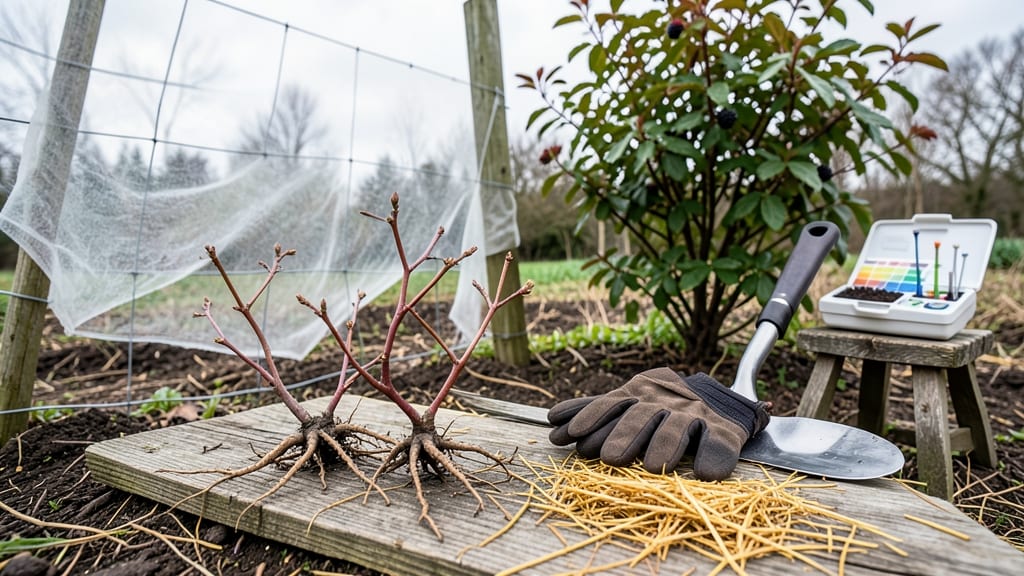
If you’ve ever planted blackberries in Louisiana only to watch your canes struggle through the heat or fail to fruit, you’re not alone—and timing is the key to avoiding that frustration.
The right planting window isn’t just about seasons; it’s about matching your variety’s chill-hour needs to Louisiana’s 8a-9b climate, where winter dormancy can be tricky.
Most gardeners think spring is the only time to plant 🫐, but fall actually offers cooler soil temps and a head start for root establishment. Whether you’re growing thornless ‘Natchez’ or hardy ‘Ouachita,’ getting the timing right means the difference between a bountiful harvest and wasted effort.
In this guide, I’ll break down the exact planting windows for Louisiana’s microclimates—coastal humidity vs. north Louisiana’s cooler winters—and how to adjust for low-chill varieties.
You’ll also learn how to prep your soil, protect young canes from late frosts, and avoid the 5 critical mistakes that ruin blackberry success in our state.
Ready to turn your patch into a productive blackberry powerhouse? Let’s dive into the science-backed schedule that’ll have you harvesting juicy berries from late spring through early fall.
Louisiana blackberry planting calendar by chill-hour requirements
Planting blackberries in Louisiana isn’t a one-size-fits-all task—it’s all about chill-hour matching. Most varieties need 300-1,000 chill hours (below 45°F) to break dormancy and fruit well. Skip this step, and your plants may leaf out but fail to produce berries or die back in winter.
Louisiana’s Zone 8a-9b climate means we can plant in both fall and late winter, but timing depends on your specific variety. For example, Natchez (500-700 chill hours) thrives in our winters, while Ouachita (300-500 chill hours) is better for coastal areas with milder winters.
Soil temperature is just as critical as air temperature. Aim for soil temps between 50-60°F at planting time. Use a soil thermometer to check—cold soil can shock roots, while warm soil speeds up growth and reduces transplant shock.
Here’s your month-by-month planting guide for Louisiana’s blackberries, broken down by chill-hour needs:
| Variety | Chill Hours | Best Planting Month | Soil Temp | Notes |
|---|---|---|---|---|
| Natchez | 500-700 | September-October | 55-65°F | Thornless; needs winter chill |
| Arapaho | 700-900 | Late February-March | 50-60°F | Thorny; best for north LA |
| Ouachita | 300-500 | August-September | 60-70°F | Low-chill; coastal-friendly |
| Chester | td style="padding: 8px; border-bottom: 1px solid #ffcc00;">900-1,000Late January-February | 45-55°F | Thornless; needs cold winters |
Fall planting (September-October) is ideal for most Louisiana growers because it allows roots to establish before summer heat. However, if you’re in Zone 9b (like New Orleans), opt for low-chill varieties like Ouachita to avoid winter dieback.
For late-winter planting (February-March), focus on high-chill varieties like Arapaho or Chester. Plant after the last frost date (typically mid-February) but before soil warms above 60°F, which can stress roots.
Pro tip: Use black plastic mulch in late winter to warm soil faster and give your plants a head start. Remove it once canes start growing to prevent overheating.
After planting, prioritize consistent moisture for the first 4-6 weeks. Louisiana’s summer heat can dry out soil quickly, so mulch with 3-4 inches of straw to retain moisture and regulate soil temperature.
🌱
How to adjust planting for Louisiana’s microclimates (coastal vs. north)
Louisiana’s climate varies wildly from the humid coastal regions of New Orleans to the cooler northern winters near Shreveport. These differences mean your blackberry planting schedule should shift depending on where you live. Coastal areas stay warmer longer, while northern zones need earlier starts to avoid heat stress.
For coastal Louisiana (Zone 8b-9a), you can plant thru November thanks to milder winters. But in northern Louisiana (Zone 8a), stick to September-October to let roots establish before winter chill. The wrong timing can lead to winter dieback or poor fruiting the next season.
🌱 Pro Tip: Use low-chill varieties like 'Ouachita' in coastal areas—they thrive with fewer than 300 chill hours. Northern growers should opt for higher-chill types like 'Natchez' (500+ chill hours) to ensure reliable fruiting.
| Region | Best Planting Window | Key Varieties | Winter Care Tip |
|---|---|---|---|
| Coastal (New Orleans, Baton Rouge) | September 15 - November 15 | Ouachita, Chickasaw, Natchez | Mulch heavily with straw (3-4") to prevent root heave |
| North (Shreveport, Monroe) | September 1 - October 15 | Arapaho, Navajo, Triple Crown | Use frost blankets in December if temps drop below 25°F |
| Transition (Lafayette, Lake Charles) | September 1 - October 30 | Apache, Choctaw, Black Satin | Plant in raised beds for better drainage |
If you're in transition zones (like Lafayette), aim for early September planting—this gives roots time to establish before winter while avoiding summer heat stress. Always check your last frost date (typically mid-February in most of Louisiana) to time dormancy correctly.
For coastal growers, extend the season by planting thornless varieties like 'Chickasaw'—they handle humidity better and produce fruit earlier. In northern areas, prioritize cold-hardy canes and prune aggressively in late winter to encourage new growth when days warm up.
🌡️ Watch for: Sudden cold snaps in December can damage newly planted canes. If your area gets below 20°F, cover plants with burlap sacks or row covers until spring.