
Plants
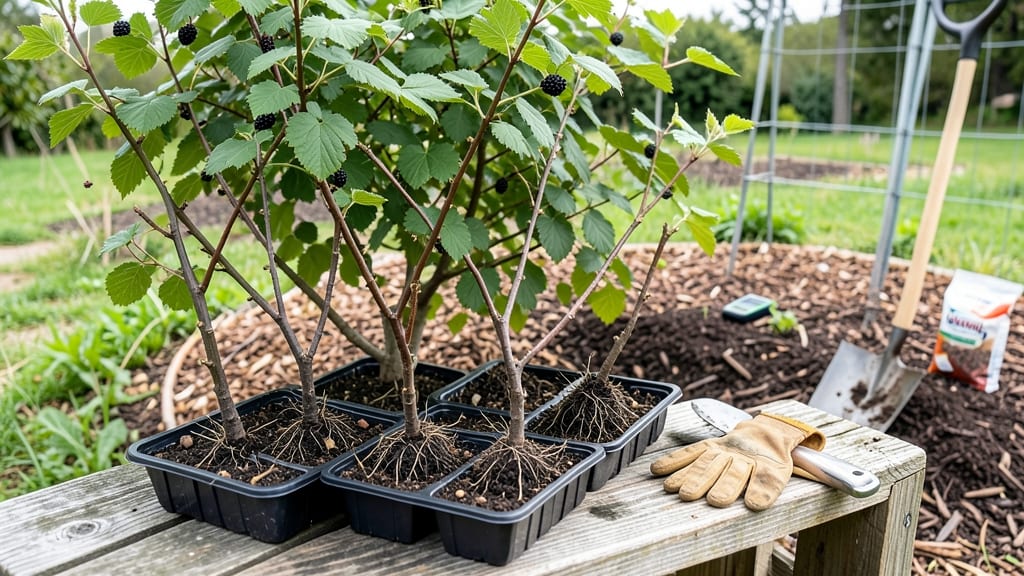
Timing your blackberry planting in Ohio could mean the difference between a bountiful harvest of juicy 🫐 berries and struggling bushes that barely survive. Ohio’s Zone 6a climate demands precision—plant too early, and frost will damage tender roots; too late, and your bushes won’t establish strong roots before winter.
Most Ohio gardeners swear by spring planting, but there’s a small window in fall that can work too. The key is understanding when the soil warms enough (50°F) and avoiding the last frost date around April 15.
Whether you’re planting bare-root or potted blackberries, getting this right sets the stage for a thriving garden.
In this guide, I’ll break down the exact months to plant in Ohio, including soil prep tips and how to choose between spring and fall timing. You’ll learn how to leverage Ohio’s short growing season for maximum berry production—no guesswork, just results.
Ready to grow blackberries that produce year after year**? Let’s dive into the best planting schedule for your Ohio garden.
Optimal planting windows for blackberries in Ohio: spring vs fall breakdown
Ohio’s Zone 5-6 climate creates a tight window for planting blackberries, where timing directly impacts root establishment and winter survival.
Unlike warmer climates, Ohio’s late frosts (often until April 15) and early freezes (by October 15) force gardeners to choose between spring and fall planting—each with distinct advantages and risks.
Most Ohio gardeners default to spring planting (March–May) because it aligns with soil warming and active growth. However, fall planting (September–November) can give blackberries a head start on root development before winter dormancy. The key? Understanding soil temperature thresholds and microclimate variations across Ohio’s regions.
Southern Ohio (e.g., Cincinnati, Columbus) enjoys warmer microclimates with earlier last frost dates (as early as March 20), while northern Ohio (e.g., Cleveland, Toledo) often waits until April 15–May 1. This regional shift can mean the difference between successful rooting and frost damage.
Soil temperature is your best guide: blackberry roots need at least 50°F (10°C) to thrive. In Ohio, this typically occurs by mid-April in southern areas but may linger into early May in the north. Planting too early risks cold soil stress, while waiting too long can delay first-year fruiting.
| Factor | Spring Planting (March–May) | Fall Planting (September–November) |
|---|---|---|
| Best Time | 4–6 weeks before last frost (after soil hits 50°F) | 6–8 weeks before first frost (soil >40°F) |
| Root Establishment | Fast growth with warm soil | Slower but stronger roots before dormancy |
| Frost Risk | High if planted too early | Low if planted early enough |
| First-Year Fruit | Possible with early varieties | Unlikely; focus on root growth |
| Ohio-Specific Tip | Use row covers for late frosts | Mulch heavily for winter protection |
For spring planting, aim for late March to early May—just as dormant canes begin to swell. Bare-root plants (cheaper and hardier) should go in as soon as soil is workable, while potted blackberries can wait until mid-April when nighttime temps stay above 40°F.
Pro tip: Soak bare roots in water for 1–2 hours before planting to reduce transplant shock.
Fall planting in Ohio is riskier but rewarding if done correctly. The goal is to let roots establish before ground freezes, typically by mid-November. Plant 6–8 weeks before first frost (usually September 15–October 15), focusing on southern Ohio where winters are milder.
Use thick mulch (4–6 inches) to insulate roots and protect against winter heaving.
Ohio’s short growing season (only 165 frost-free days) demands efficiency. If you choose fall planting, prioritize early-maturing varieties like ‘Triple Crown’ or ‘Chester’, which can produce fruit in their second year.
Spring plantings, however, give you more flexibility to choose thornless varieties like ‘Natchez’ or ‘Arapaho’, which are easier to harvest.
Regardless of timing, planting method matters. In Ohio’s clay-heavy soils, amend planting holes with compost or sand to improve drainage. Space thornless varieties 4–5 feet apart and traditional types 6–8 feet apart to prevent overcrowding and disease spread.
Install T-posts or trellises immediately—blackberries need support to thrive.
Remember: Ohio’s climate is unpredictable. Always have row covers or frost cloth on hand for late spring frosts, and monitor soil moisture during dry spells. With the right timing and prep, your blackberries will reward you with juicy, homegrown berries for years to come.
Optimal planting windows for blackberries in Ohio: spring vs fall breakdown
Ohio’s Zone 6a climate gives you two prime chances to plant blackberries: early spring (March-April) or early fall (September-October). Most gardeners prefer spring, but fall planting can give your bushes a head start. The key difference? Soil temperature must reach at least 50°F (10°C) for roots to establish properly.
Spring planting (March-April) aligns perfectly with Ohio’s last frost date around April 15. This gives your blackberries 4-6 weeks of warm soil before summer heat arrives. Fall planting (September-October) works if you plant 6-8 weeks before first frost (around October 15), allowing roots to establish before winter dormancy.
Here’s how Ohio’s microclimates affect timing: Southern Ohio (like Cincinnati) can plant 2-3 weeks earlier than northern areas (like Cleveland) due to milder winters. Always check your local USDA frost map to adjust timing accordingly.
| Factor | Spring Planting | Fall Planting |
|---|---|---|
| Best Time | March-April (bare-root) or April-May (potted) | September-October (6-8 weeks before frost) |
| Soil Temp | ≥50°F (10°C) | ≥50°F (10°C) before frost |
| Root Establishment | 4-6 weeks before summer | 6-8 weeks before winter |
| Frost Risk | Low (after April 15) | Moderate (if planted too late) |
| Ohio Microclimate Note | Southern OH: 2-3 weeks earlier | Northern OH: 2-3 weeks later |
For bare-root blackberries, spring planting (March-April) gives roots time to establish before summer heat stress. Potted plants can handle April-May planting since they’re less sensitive to transplant shock. Fall planting requires well-draining soil to prevent winter rot—critical in Ohio’s clay-heavy regions.
Pro tip: Use a soil thermometer to confirm temperatures before planting. If soil is below 50°F, wait—cold soil slows root growth and increases disease risk. In Ohio’s Zone 6a, this usually means waiting until late March or early April for spring planting.
Fall planting in Ohio works best if you’re using 1-gallon containers or larger, as smaller roots struggle to establish before winter. Mulch heavily (4-6 inches) after planting to insulate roots and retain moisture during Ohio’s unpredictable fall weather.