
Plants
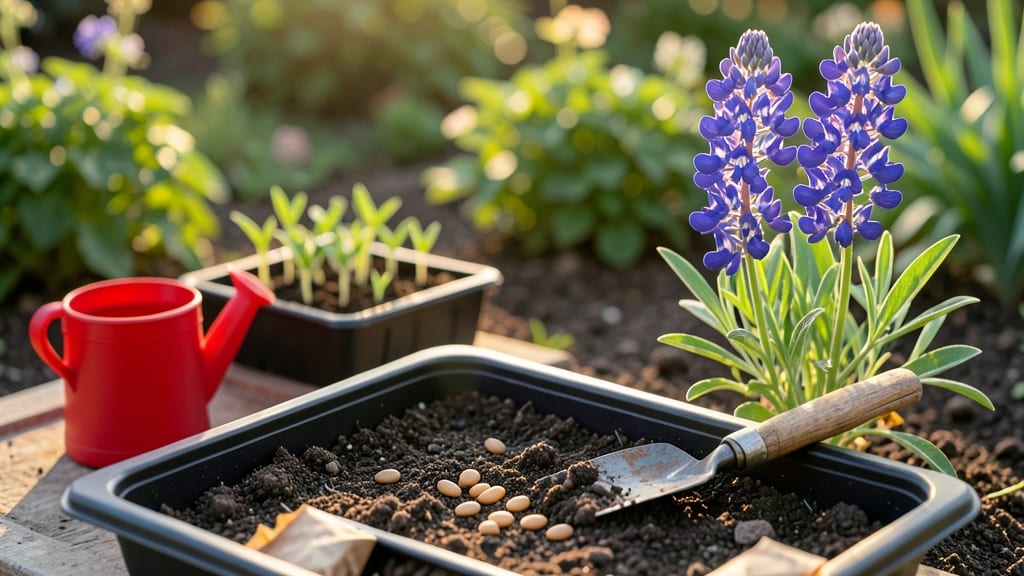
Timing your Bluebonnet 🌸 planting in Houston isn’t just about throwing seeds in the ground—it’s the difference between a vibrant spring carpet of blue and a sad, empty patch of dirt.
The fall window (late September to November) is your golden opportunity, but get it wrong, and Houston’s unpredictable winters or scorching summers will sabotage your dreams before they even begin.
I’ve watched Houston gardens struggle with this exact challenge, and the key lies in understanding how our 9a climate plays tricks on traditional planting rules. Too early, and your seeds might rot in summer heat; too late, and frost could nip them before they take root.
The secret? Planting when soil temps drop below 80°F but before the first frost sneaks in around December.
Here’s what you’ll discover: the exact 3-step fall prep to maximize germination, how to work with Houston’s heavy clay soil (yes, it’s possible!), and why skipping the scarification step could mean zero blooms next spring. Let’s turn your Houston landscape into a bluebonnet paradise—starting with the right timing.
Whether you’re a first-time gardener or a seasoned Houston green thumb, these insights will help you avoid common pitfalls and ensure your bluebonnets thrive when spring arrives. Ready to plant with confidence? Let’s get started.
Optimal bluebonnet planting windows in Houston’s climate zones
Houston’s USDA Zone 9a climate offers a narrow window for planting bluebonnet seeds—typically between late September and November. This timing aligns with cooler temperatures and avoids the extreme summer heat or early winter freezes that can kill young seedlings.
In Houston, where first frost often arrives around mid-December, planting after November 15 risks exposing seeds to cold before germination.
For the best results, aim to plant your seeds 4-6 weeks before Houston’s average first frost. This means starting as early as late August but no later than mid-November. The ideal soil temperature for germination is 60-70°F, which Houston typically reaches in September and October.
Waiting too long can leave seeds vulnerable to fungal diseases or rodent damage during winter.
Houston’s microclimates can also affect timing. Areas near Galleria or Memorial Park may experience slightly cooler temperatures, allowing for a 2-week extension in planting.
Conversely, urban heat islands in neighborhoods like Montrose or Midtown can cause soil to stay warmer longer, making early September planting feasible if followed by consistent moisture.
Here’s a quick rule of thumb: Plant in September for a spring bloom the following year, or October-November for a summer bloom in the same season. The key is to ensure seeds have 6-8 weeks to establish roots before winter dormancy sets in.
Houston’s clay-heavy soil drains poorly when saturated, so avoid planting after heavy rains.
🌱
🌸 Houston Bluebonnet Planting Timeline
| Month | Action | Soil Temp | Notes |
|---|---|---|---|
| Late August | Prep soil | 75-85°F | Loosen clay soil; add compost |
| September | Plant seeds | 60-70°F | Scarify seeds; 1/4" deep |
| October | Germination | 50-60°F | Keep moist; avoid flooding |
| November | Root establishment | 40-50°F | Reduce watering; mulch |
| December-February | Dormancy | Below 40°F | Protect from frost; minimal care |
| March-May | Blooming | 60-80°F | Full sun; minimal water |
If you’re planting in Houston’s urban areas, consider the heat island effect, which can delay frost by 1-2 weeks.
For example, planting in Downtown Houston might safely extend your window to early December, while suburban areas like Katy or Sugar Land may need to plant by mid-November to avoid frost damage.
For container gardening in Houston, plant seeds in late September to ensure they establish roots before temperatures drop. Containers heat up faster and dry out quicker, so use well-draining soil mixes and monitor moisture closely. Place pots in south-facing locations to maximize sunlight exposure during cooler months.
Pro tip: Use a soil thermometer to confirm soil temperatures are below 50°F before reducing watering in late fall. Houston’s unpredictable rainfall can also complicate timing—always plant after a dry spell to avoid waterlogged soil, which can suffocate seeds.
Aim for 1-2 weeks of dry weather before sowing for optimal conditions.
Finally, remember that bluebonnets are native to Texas and thrive in Houston’s climate when given the right timing. By planting in <
Optimal bluebonnet planting windows in Houston’s climate zones
Houston’s USDA Zone 9a climate offers a narrow but critical window for planting bluebonnet seeds. Unlike northern states, Houston’s mild winters mean seeds planted too early may germinate and die in summer heat, while late plantings miss the fall-to-winter chill period they need to establish roots.
Aim for late September through November, when soil temps drop below 85°F and rainfall increases naturally.
The first frost date (December 15) acts as your hard deadline—seeds need 6-8 weeks to germinate before winter dormancy. In Houston’s urban areas, microclimates can shift planting zones by 1-2 weeks, so monitor your specific neighborhood’s soil temperature using a cheap thermometer (ideal range: 60-70°F).
| Planting Window | Soil Temp | Rainfall | Houston Action |
|---|---|---|---|
| Late September | 75-85°F | Moderate | Scarify seeds, prepare beds |
| October | 65-75°F | High | Plant seeds 1/4" deep |
| November | 60-70°F | Low | Mulch lightly (1") |
For Houston gardeners, October stands out as the prime month—cooler temps align with natural rainfall patterns, reducing irrigation needs. If you miss this window, consider December plantings in protected microclimates (e.g., near south-facing walls), but expect slower germination and reduced spring blooms.
Urban areas with impermeable soils may need raised beds to prevent waterlogging during Houston’s sporadic downpours.
Pro tip: Use native bluebonnet varieties like Lupinus texensis, which handle Houston’s clay-heavy soils and occasional drought better than hybrids. Mix seeds with sand (1:1 ratio) before planting to improve drainage in Houston’s compacted urban soils. This simple trick can double germination rates in heavy clay.
After planting, mark your calendar for March 1—this is when Houston’s bluebonnets typically break dormancy. If you see green shoots before February 15, your seeds germinated too early and may struggle with summer heat.
Adjust next year’s planting date 1-2 weeks later to sync with Houston’s natural frost-free window.
Remember: Houston’s humidity and summer heat make timing everything. Plant too early, and your bluebonnets will bolting before flowering. Plant too late, and they’ll miss the chill period needed for robust root systems. Aim for that sweet spot in October when Houston’s weather plays nicely with nature’s schedule. 🌿