
Plants
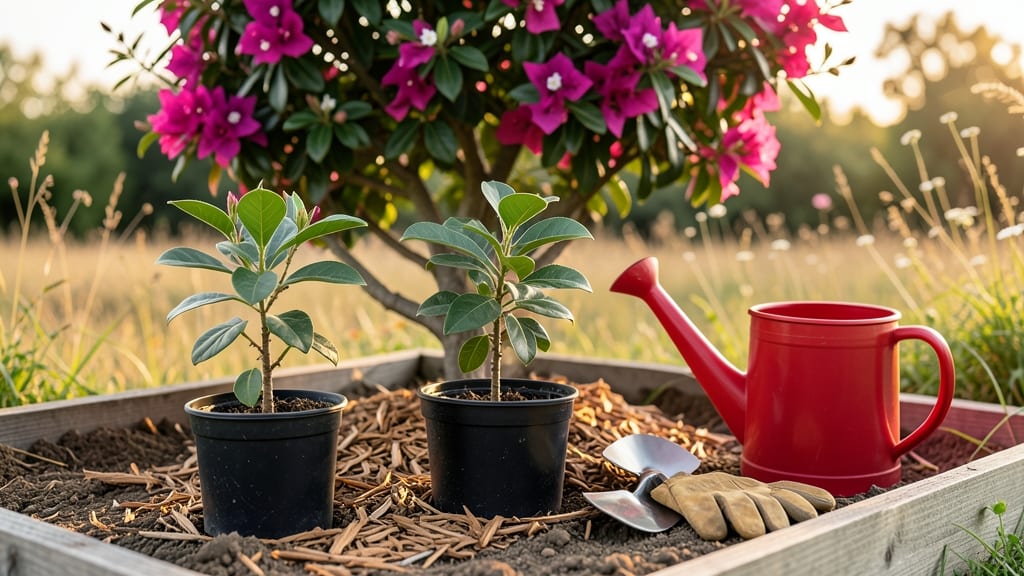
Timing your Bougainvillea planting in Texas can make or break your 🌸 garden’s success—get it wrong, and you’re staring at wilted vines by summer.
The key isn’t just avoiding frost (though that’s critical in 8a-10b zones), but also accounting for Texas’s brutal heat, which can shock young plants if they’re transplanted too early.
Most gardeners assume spring is the only window, but the truth is more flexible: you can plant year-round in Texas, as long as you time it right.
Whether you’re in North Texas (where frost lingers until February) or South Texas (where it’s already warm by January), the goal is to give your Bougainvillea a fighting chance before the heat ramps up.
I’ve seen firsthand how a 2-week difference in planting can mean the difference between a thriving vine and a struggling one. The secret? Waiting until soil temperatures hit 60°F and choosing the right method—whether that’s in-ground planting or container hardening for a head start.
Ready to master the Texas Bougainvillea timeline? I’ll walk you through the exact windows, soil prep tricks, and post-planting care to ensure your 🌸 blooms all season long—no guesswork, just guaranteed growth.
Optimal planting windows for Texas Bougainvillea by region
Texas’s diverse climate means North Texas and South Texas have wildly different frost-free windows for planting bougainvillea.
In North Texas (USDA Zones 8a-8b), like Dallas or Fort Worth, the last frost typically hits around February 15, while South Texas (Zones 9a-10b), including Houston and San Antonio, can plant as early as January 1—or even late December in coastal areas.
The key is avoiding freezing temperatures, which bougainvillea cannot tolerate.
Bougainvillea thrives in heat and humidity, so planting too late—after May 15—can stress young plants during Texas’s brutal summer. In West Texas (Zones 8a-9a), like El Paso, the window narrows further due to dry heat and low humidity.
Here, planting between March 1 and April 15 balances heat tolerance and soil warmth.
For container-grown bougainvillea, you can push these windows slightly earlier or later, but in-ground planting demands precision. In East Texas (Zones 8a-9a), like Tyler or Beaumont, the humidity extends the safe window to late March, but watch for late spring frosts—they’re rare but possible.
Here’s a region-by-region breakdown to help you pinpoint the best time for your Texas garden:
| Region | USDA Zone | Last Frost Date | Optimal Planting Window | Key Consideration |
|---|---|---|---|---|
| North Texas (Dallas/Fort Worth) | 8a-8b | February 15 | March 1 - April 15 | Avoid late frosts; soil warmth critical |
| South Texas (Houston/San Antonio) | 9a-10b | January 1 | January 15 - March 15 | Humidity helps; watch for heat spikes |
| West Texas (El Paso) | 8a-9a | February 1 | March 15 - April 30 | Dry heat; prioritize watering |
| East Texas (Tyler/Beaumont) | 8a-9a | February 10 | March 1 - April 1 | High humidity; monitor for fungal risks |
| Coastal Texas (Galveston) | 9a-10a | December 15 | January 1 - February 28 | Mild winters; year-round growth possible |
If you’re in a transition zone, like Austin (Zone 8b), play it safe by waiting until mid-March. The soil temperature should consistently stay above 60°F—use a soil thermometer to confirm.
Bougainvillea roots grow best when soil is warm, so rushing planting in cool springs can lead to root rot.
For container planting, you can extend the window by 2-3 weeks earlier in spring or 1-2 weeks later in fall. Containers warm up faster than soil, giving bougainvillea a head start.
However, never plant bougainvillea in winter—even in South Texas—unless you’re using a heated greenhouse or indoor growing setup.
Pro tip: Hardening off container-grown bougainvillea for 7-10 days before planting helps it adjust to Texas’s intense sunlight and heat waves. Gradually expose it to outdoor conditions to prevent sunburn on delicate new growth.
Timing isn’t just about frost—it’s also about bloom triggers. Bougainvillea needs cons
Signs your Texas soil and climate are ready for Bougainvillea
Before you rush to plant your Bougainvillea, Texas’s unpredictable climate demands you check three critical signs: soil temperature, humidity levels, and heat intensity. I’ve learned the hard way that planting too early—even in South Texas—can lead to transplant shock when temperatures spike above 90°F.
The ideal window starts when soil hits 60°F+ and stays there for at least 7-10 days.
Use a DIY soil thermometer (or a cheap digital one) to test depths of 2-3 inches. In North Texas, this usually aligns with mid-March, while South Texas gardeners can start as early as late February.
Pro tip: Check temperatures at 10 AM—this mimics peak planting conditions and avoids misleading overnight lows.
Humidity plays a sneaky role too. Bougainvillea thrives in 30-50% humidity, but Texas can swing from 20% dryness (Panhandle) to 70% mugginess (Houston). If your area’s humidity drops below 30%, mulch heavily and water deeply at dawn to mimic natural moisture retention.
Watch for heat waves too. If your local forecast predicts three consecutive days above 95°F within 2 weeks of planting, delay until temperatures stabilize. Young Bougainvillea roots are delicate—even drought-tolerant varieties need time to establish before facing Texas’s 100°F+ summers.
⚠️ Warning: False Starts Are Deadly
Texas’s unpredictable frost returns (yes, even in April!) and sudden heat spikes can trap new plants. If you see yellowing leaves or drooping vines after planting, it’s not always heat—sometimes it’s root rot from overwatering in cool soil. Always pair planting with well-draining soil and minimal watering for the first 7 days.
Another telltale sign? Native Texas plants like Spanish Dagger or Yucca blooming nearby. These hardy species signal stable conditions. If they’re thriving, your Bougainvillea will too—just ensure you’re planting in full sun (6+ hours daily) and avoiding low-lying areas where cold air pools.
For container growers, acclimate plants gradually by moving them outdoors for 2-3 hours/day starting 2 weeks before your target planting date. This hardens them against Texas’s sudden temperature swings. Skip this step, and you’ll risk leaf scorch or stunted growth.
Finally, trust your local nursery’s advice—they’ve seen firsthand which Bougainvillea varieties (like 'California Gold' or 'San Diego Red') handle your microclimate best. Pair that wisdom with these signs, and you’ll plant at the perfect moment for zero-frost, zero-stress success.