Companion Plants
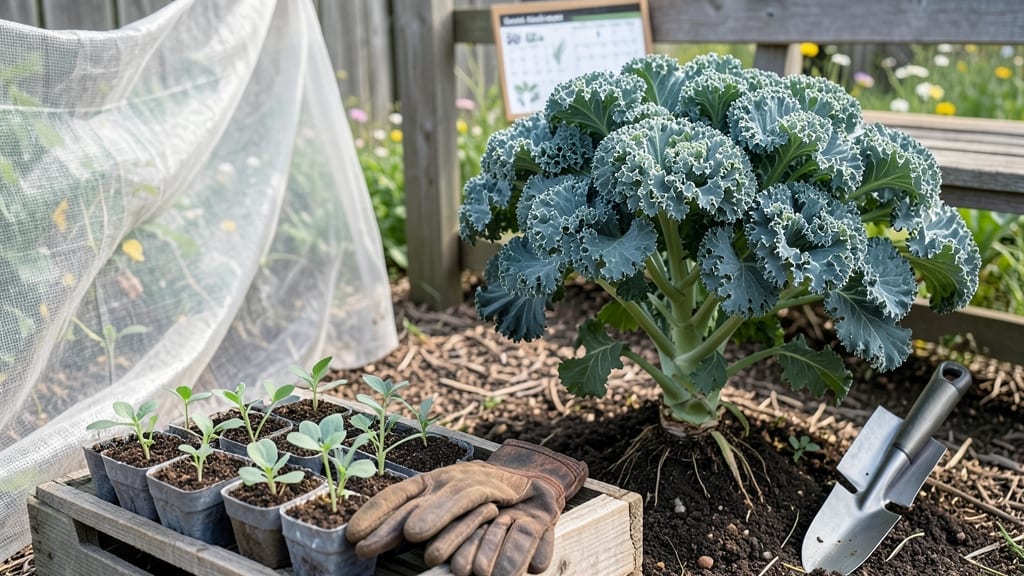
Timing your brassicas 🥬 just right in Pennsylvania can mean the difference between a bumper crop and bitter disappointment—especially when those plants bolt before you even get to harvest.
The key isn’t just picking a month, but understanding how your local climate (and those pesky frost dates) play into the perfect planting window.
If you’ve ever stared at a seed packet wondering, "Why did my broccoli turn into flowers instead of food?" you’re not alone. The answer lies in knowing when to plant for zero bolt risk—and it’s not as simple as "spring" or "fall."
Pennsylvania’s 5b-7a zones have specific sweet spots, and missing them by even a few weeks can ruin your harvest.
In this guide, I’ll break down the exact months to plant for both spring and fall crops, plus how to stretch your growing season with smart techniques. Whether you’re a beginner or a seasoned gardener, these insights will help you avoid common mistakes and maximize your brassica yields.
Ready to stop guessing and start growing? Let’s dive into the zone-specific planting schedule that’ll keep your brassicas happy—and your kitchen stocked—all season long.
Pennsylvania’s brassica planting zones: months to avoid bolting in zones 5-7
Pennsylvania’s USDA zones 5b-7a create a unique challenge for growing brassicas like broccoli, cabbage, and kale. Planting too early exposes seedlings to frost damage, while late planting risks heat-induced bolting—both disasters for your harvest.
The key? Timing your plantings to align with soil temperatures and frost-free windows specific to your region.
In Pittsburgh (Zone 6a), the last frost typically arrives around April 15, while Philadelphia (Zone 7a) sees frost-free conditions by April 1. These dates shift your ideal planting windows by 3-4 weeks.
For example, cabbage planted in late May in Pittsburgh may bolt by July, but the same variety thrives in Philadelphia’s milder spring.
Here’s the zone-specific breakdown you need to avoid bitter, flowering brassicas before harvest:
For spring plantings, aim to sow seeds 4-6 weeks before your last frost date. In Zone 6a, that’s mid-March to mid-April, while Zone 7a gardeners can wait until early April.
Start seeds indoors 6-8 weeks before transplanting to give them a head start against cool PA springs.
Fall brassicas thrive when planted 8-10 weeks before your first frost. In Pittsburgh, that’s late July to mid-August, while Philadelphia’s longer season allows plantings until early September. This timing ensures harvests before October’s first frost while avoiding the bolting trigger of 90°F+ days.
Microclimates matter! Urban areas like Philadelphia often experience 5-10°F warmer nights than rural Zone 6a farms. Use a local frost calendar (like Penn State’s) to adjust your schedule. For example, State College (Zone 6b) can push fall plantings to early September without risk.
One common mistake? Planting heat-tolerant varieties like ‘De Cicco’ broccoli in June. While it survives summer heat, it bolts faster than cool-season types. Instead, opt for ‘Waltham 29’ cabbage or ‘Winterbor’ kale, which handle late-summer plantings better.
To calculate your exact dates, subtract 165 days (PA’s average frost-free period) from your first frost date. For Pittsburgh (Oct 15), that’s March 22—your last fall planting window. Use this formula to avoid wasted seed packets and bitter harvests.
🌿 Key Takeaway: Pennsylvania’s two planting windows—spring (March-April) and fall (July-August)—are your safest bets. Stick to these dates, and you’ll enjoy sweet, bolt-free brassicas all season.
Pennsylvania’s brassica planting zones: months to avoid bolting in zones 5-7
Pennsylvania’s USDA zones 5b-7a create unique challenges for brassicas 🥬—too early, and frost zaps seedlings; too late, and heat triggers bolting. The sweet spot? Planting when soil temps hit 40°F (4°C) and nighttime temps stay above 50°F (10°C).
For most of PA, this means March 15 to April 30 for spring crops and July 15 to August 31 for fall harvests.
Your exact window depends on your microclimate. Philadelphia (Zone 7a) can start 2 weeks earlier than Erie (Zone 6a), where late frosts linger.
Use your average last frost date (April 15 in most of PA) as your anchor—plant 4-6 weeks before for spring or 8-10 weeks before the first frost (October 15) for fall.
Here’s the zone-specific breakdown to avoid bolting and maximize yields:
| Zone | Spring Planting Window | Fall Planting Window | Soil Temp Threshold | Key Varieties |
|---|---|---|---|---|
| 5b (Pittsburgh, State College) | April 1 - May 15 | July 20 - August 20 | 40-45°F (4-7°C) | Broccoli, Cabbage, Kale |
| 6a (Harrisburg, Scranton) | March 20 - April 30 | July 15 - August 31 | 40-45°F (4-7°C) | Brussels Sprouts, Cauliflower, Bok Choy |
| 7a (Philadelphia, Reading) | March 15 - April 15 | August 1 - September 1 | 45-50°F (7-10°C) | Collard Greens, Mustard Greens, Turnips |
Pro tip: Check soil temps with a thermometer—brassicas won’t germinate well below 40°F (4°C). If your soil is colder, start seeds indoors 4-6 weeks before your target outdoor date. For Zone 7a, this might mean sowing late February for an April transplant.
Fall planting is trickier—aim for 8-10 weeks before frost to ensure maturity. In Zone 5b, this means late July for fast varieties like bok choy (30 days) or early August for cabbage (60 days).
Use shade cloth in late summer to protect seedlings from heat stress, which speeds up bolting.
Remember: Succession planting every 2 weeks in spring and fall keeps your harvest steady. For example, plant half your broccoli in March and the rest in April—this way, you’re not overwhelmed with mature heads at once.
🌱