
Plants
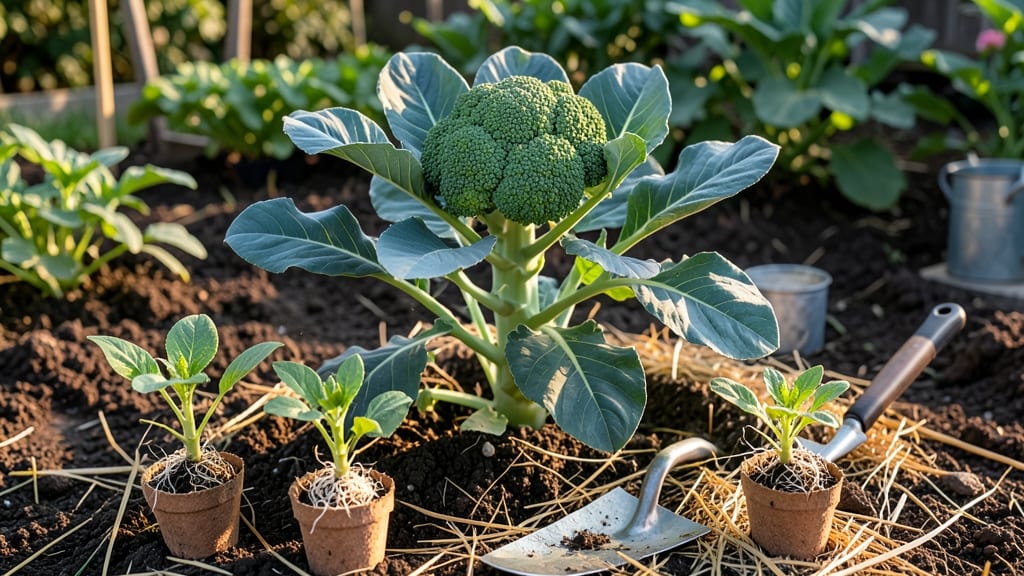
Planting broccoli in Arizona’s 9b climate might seem risky with its intense heat, but timing it right means you can enjoy lush, zero-bolt harvests—even in the desert. The key isn’t just picking the right month; it’s understanding how Arizona’s microclimates (like low desert vs. high desert) change the game.
If you’ve ever watched your broccoli 🥦 bolt into bitter flowers instead of forming heads, you know how frustrating it can be. The solution? Planting in Arizona’s coolest months—September through November for fall crops, or February to early March for spring—when temperatures stay in the ideal 60-75°F range.
I’ll break down exactly when to start seeds vs. transplants, how to pick heat-tolerant varieties, and even tricks to stretch your growing season. No more wasted effort—just reliable harvests that taste as good as they look.
Ready to turn Arizona’s desert into your broccoli oasis? Let’s dive into the perfect planting schedule that actually works in Zone 9b.
Best months to plant broccoli in Arizona’s desert climate
Arizona’s USDA Zone 9b climate demands precise timing to grow broccoli successfully. Unlike cooler regions, summer heat forces broccoli to bolt prematurely, turning your crop into bitter seed stalks instead of edible heads. The key? Plant during cooler months when daytime temps stay below 75°F.
For most of Arizona, September through November is the ideal window for fall planting. This gives broccoli enough time to mature before winter’s first frost (typically around January 10 in low desert areas).
High desert regions like Flagstaff can extend planting into late October or early November due to cooler nights.
| Planting Window | Method | Notes |
|---|---|---|
| Late August - September | Direct Sow Seeds | Best for low desert; use shade cloth if temps exceed 85°F |
| September - November | Transplants | Start indoors 4-6 weeks before outdoor planting |
| February - Early March | Transplants Only | Spring crop for high desert; harvest before summer heat |
| Avoid June - August | N/A | Broccoli will bolt within 2-3 weeks in summer heat |
If you’re in Phoenix or Tucson, aim for September 15-October 15 for fall planting. These dates align with cooler nights and lower evaporation rates, giving seedlings a fighting chance.
For high desert areas like Prescott or Sedona, you can push planting into late October thanks to 10-15°F cooler nighttime temps.
Spring planting is riskier but possible in high desert zones (elevations above 5,000 ft). Plant transplants only in February or early March to harvest before summer’s 100°F+ days trigger bolting. In low desert areas, spring planting is not recommended—the heat arrives too quickly.
Pro tip: Use shade cloth (30-50%) for 4-6 weeks after transplanting to protect young plants from Arizona’s intense sun. This buys you extra time to establish roots before full sun exposure. Pair this with drip irrigation to maintain consistent soil moisture, which is critical in desert conditions.
For container growing, start seeds indoors 6-8 weeks before your target outdoor date. Use 5-gallon pots minimum—smaller containers dry out too quickly in Arizona’s heat. Move containers to partial shade during 11 AM-3 PM to prevent wilting.
Remember: Broccoli is a cool-season crop, and Arizona’s climate flips this script. While most gardeners plant in spring, fall is your best bet for zero-bolt harvests. With the right timing and a few desert-specific tweaks, you’ll enjoy crisp, sweet broccoli heads even in the heart of the Sonoran Desert.
Best months to plant broccoli in Arizona’s desert climate
Arizona’s USDA Zone 9b climate demands precise timing for broccoli success. The ideal planting window spans September through November for fall crops and February to early March for spring harvests.
These months align with cooler temperatures (60-75°F) that prevent premature bolting—when broccoli flowers too early and becomes bitter.
High desert areas (e.g., Flagstaff) can plant 2-4 weeks later than Phoenix due to cooler nights. Always check your last frost date (typically mid-December in low deserts) to avoid heat stress. For container gardening, extend your window by 1-2 weeks using black plastic pots to moderate soil temps.
| Planting Window | Climate Zone | Method | Key Tip |
|---|---|---|---|
| September 15-October 15 | Low Desert (Phoenix) | Direct Seed | Use shade cloth 30% |
| October 1-November 15 | High Desert (Flagstaff) | Transplants | Hardens plants for cold |
| February 15-March 15 | All Zones | Direct Seed | Mulch heavily to retain moisture |
For spring planting, prioritize February over March to avoid the April heat surge that triggers bolting. Start seeds indoors in late January for transplants ready by mid-February. In Tucson and Yuma, shift planting to late August for a winter harvest—these areas experience milder winters.
Always soak seeds for 6-8 hours before planting to improve germination in Arizona’s dry soil. Use well-draining raised beds filled with 50% compost to prevent waterlogging during monsoon season. Space plants 18-24 inches apart to allow airflow and reduce fungal risks.
Monitor soil temperatures with a soil thermometer—ideal ranges are 50-60°F for germination. If temps exceed 80°F, switch to shade-tolerant varieties like ‘Green Magic’ or ‘Waltham 29’ for better heat resilience.
Plan for harvest windows of December-February (fall crops) and May-June (spring crops). Succession plant every 2 weeks to extend your harvest and avoid gaps. In high-altitude areas, you may even get a light frost that sweetens the flavor—just protect plants with row covers if temps drop below 28°F.