Plants
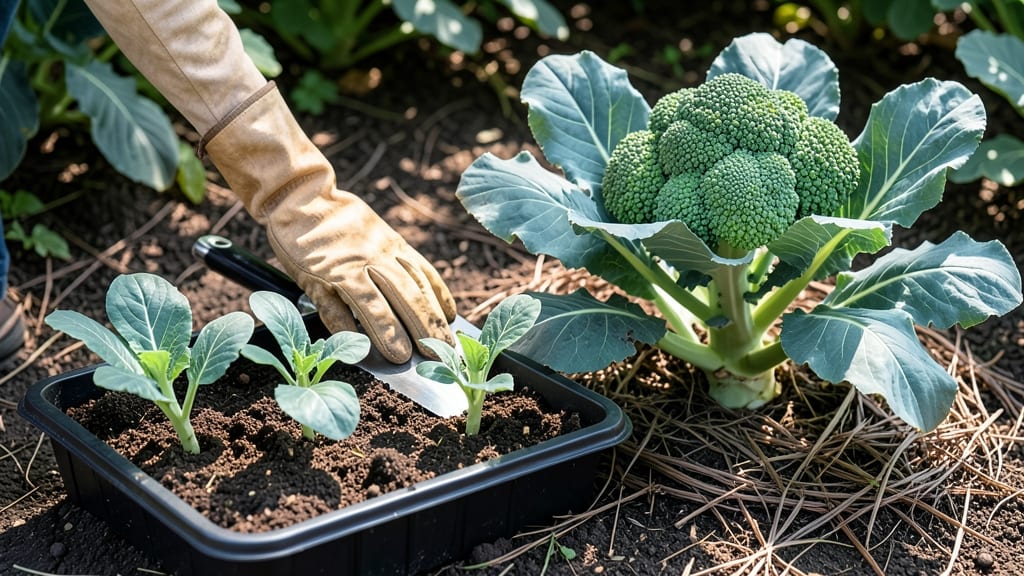
Timing your broccoli 🥦 planting in Colorado isn't just about the calendar—it's about beating frost, embracing the state's high-altitude quirks, and giving your plants the perfect head start. With USDA zones 5-7 and unpredictable frost dates, getting this wrong means watching your hard work turn to mush before harvest.
But nail it, and you'll enjoy crisp, homegrown broccoli from late spring through fall.
Most Colorado gardeners swear by two planting windows: early spring (March-April) and late summer (August-September). These timings work because they avoid the brutal winter freezes while maximizing the 90-120 frost-free days most regions offer.
The key? Planting 4-6 weeks before your last frost date for spring crops and 8-10 weeks before the first frost for fall harvests.
Here's the game-changer: Colorado's Front Range and Western Slope have wildly different frost patterns. Denver and Boulder might see their last frost around April 15, while Grand Junction could be frost-free by March 20.
That means your planting schedule should shift based on elevation and microclimates—something I'll break down so you never guess wrong again.
Ready to go beyond the basics? I'll also share how to stretch your broccoli season with row covers, cold-hardy varieties, and succession planting—so you can enjoy fresh harvests even when summer feels too short. Let's get those seeds in the ground the right way.
Best broccoli planting months in Colorado’s high-altitude zones
Colorado’s USDA hardiness zones 5-7 create unique challenges for growing broccoli. The cool nights and short growing seasons demand precise timing—plant too early, and frost will kill seedlings; too late, and your heads won’t mature before winter.
My strategy? Two planting windows: early spring and late summer, each tailored to Colorado’s elevation zones.
For spring broccoli, I start seeds indoors 6-8 weeks before the last expected frost (typically mid-March for Denver or late March for Grand Junction). Transplant seedlings outdoors 4-6 weeks before the last frost, ensuring soil temperatures reach 40°F.
This gives broccoli 90-120 frost-free days to mature before Colorado’s first frost in October.
Fall planting is equally critical. I sow seeds 8-10 weeks before the first frost (usually late August for the Front Range). This late-summer window lets broccoli establish roots before winter, with cold-hardy varieties like ‘De Cicco’ surviving light frosts.
The key? Succession planting every 2-3 weeks in both seasons to stagger harvests.
Colorado’s elevation variations (5,000–10,000 ft) shift planting dates by 2-4 weeks. High-altitude gardens (e.g., Steamboat Springs) plant 2 weeks later than lower elevations (e.g., Colorado Springs). Always check your local Almanac frost dates—they’re your gardening GPS.
🥦 Colorado Broccoli Planting Guide by Season
| Season | Planting Window | Key Varieties | Notes |
|---|---|---|---|
| Spring | March–April (transplant) | ‘Waltham 29’, ‘Green Magic’ | Start indoors 6-8 weeks before last frost |
| Fall | August–September (direct sow) | ‘De Cicco’, ‘Calabrese’ | Sow 8-10 weeks before first frost |
| Summer (Succession) | June–July (every 2 weeks) | ‘Belstar’, ‘Packman’ | Extend harvest with row covers |
I’ve learned the hard way that soil temperature is non-negotiable. Broccoli seeds won’t germinate below 40°F, so I use a soil thermometer to confirm readiness.
In high-altitude zones, I add black plastic mulch to warm the soil faster. For slow-starting springs, I opt for transplants instead of direct sowing.
Colorado’s unpredictable weather means I always have a backup plan. I keep row covers ready to protect seedlings from late frosts, and I choose disease-resistant varieties like ‘Green Goliath’ to avoid fungal issues in our humid summers.
The goal? Harvest before October’s first frost—that’s when broccoli turns bitter and woody.
Pro tip: Companion planting with bush beans or dill deters pests like cabbage moths, while straw mulch keeps soil moist. I also rotate crops yearly to prevent soil-borne diseases. With these strategies, my Colorado broccoli thrives—even in 10,000-foot elevations!
Remember: Timing is everything. In Colorado, that means spring by April and fall by August. Miss the window, and you’ll be left with bolting broccoli or frost-damaged plants. But nail it, and you’ll enjoy homegrown heads from May to November.
🌱
Frost-proof planting dates by Colorado region (Front Range vs. Western Slope)
Colorado’s frost dates vary dramatically between regions, so treating the entire state as one zone is a recipe for failure. The Front Range (Denver, Boulder, Colorado Springs) typically has later last frosts than the Western Slope (Grand Junction, Durango), thanks to elevation and mountain effects.
For example, Denver’s average last frost is April 15, while Grand Junction often sees its last frost by March 20. These differences mean your planting window could shift by 4-6 weeks depending on where you garden.
To simplify, I’ve broken down the critical frost dates and ideal planting windows for Colorado’s most common gardening regions. These timings assume you’re planting cold-hardy varieties like ‘De Cicco’ or ‘Waltham 29’, which can tolerate light frosts. For heat-sensitive varieties, adjust planting dates 1-2 weeks earlier to avoid summer stress.
| Region | Avg. Last Frost | Spring Planting Window | Avg. First Frost | Fall Planting Window |
|---|---|---|---|---|
| Denver/Boulder (5,000–6,000 ft) | April 15 | March 15–April 1 | October 15 | August 1–August 15 |
| Colorado Springs (6,000–6,500 ft) | April 22 | March 20–April 5 | October 20 | July 25–August 10 |
| Grand Junction (4,000–5,000 ft) | March 20 | February 15–March 1 | October 5 | July 15–July 30 |
| Durango (6,500–8,000 ft) | May 10 | April 15–April 30 | September 20 | July 1–July 15 |
If you’re gardening in microclimates—like a sheltered south-facing slope or a valley—you can push your planting dates 1-2 weeks earlier in spring or 1 week later in fall. For example, a sunny south-facing garden in Denver might safely plant broccoli by March 1 instead of March 15.
Always monitor local weather forecasts, as unexpected late frosts can still occur.
For fall planting, aim to have your broccoli heads mature 8-10 weeks before the first frost. This means Grand Junction gardeners can often squeeze in a late-summer crop by July 30, while Durango’s shorter season limits fall planting to July 15.
Use row covers to extend the season by 2-3 weeks if needed.
Pro tip: Start seeds indoors 4-6 weeks before your outdoor planting date to give seedlings a head start. Colorado’s short growing season means every extra day counts—especially if you’re dealing with elevation stress above 6,000 feet.