
Plants
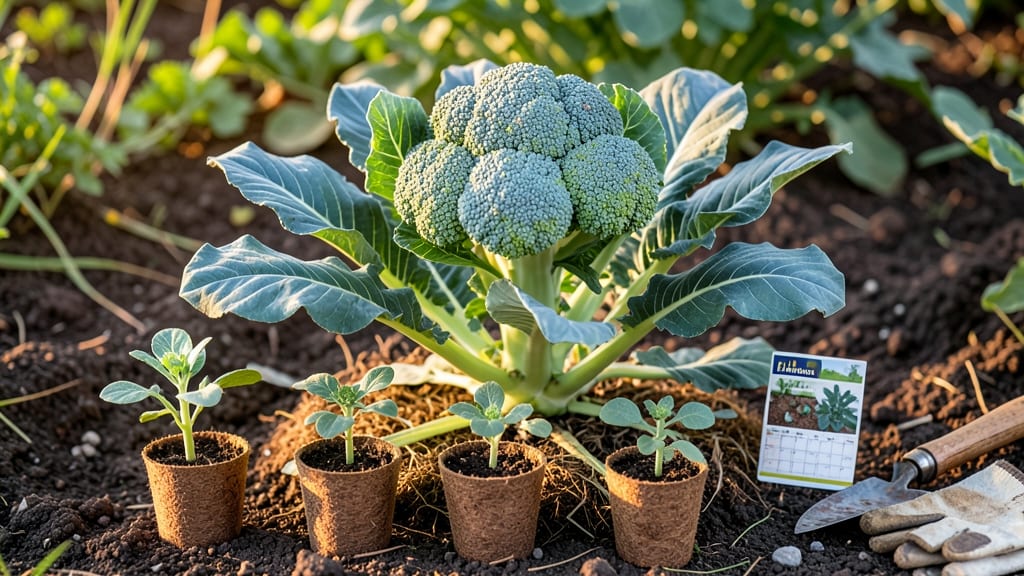
Timing your 🥦 broccoli planting in North Florida isn’t just about following a calendar—it’s about outsmarting the region’s tricky microclimates. Coastal areas stay warmer longer, while inland zones can heat up faster, both threatening to send your plants bolting before they even form heads.
If you’ve ever watched your hard work turn bitter or flower too soon, you know how frustrating this can be.
The key to success lies in planting at the right moment—September to October for fall crops and February to early March for spring. These windows give broccoli enough cool weather to mature without rushing into bolting, but they’re not one-size-fits-all.
Coastal gardeners in Zone 8b-9a have a slightly longer window, while inland areas in Zone 8a need to act faster to avoid early heat stress.
I’ve grown broccoli in North Florida for years, and the difference between a bountiful harvest and a disappointing one often comes down to these timing adjustments.
Whether you’re a first-time gardener or a seasoned pro, mastering these planting windows will help you grow broccoli that’s tender, flavorful, and ready to harvest—not bitter or bolted before its time.
Let’s break down exactly when to plant, how to adjust for your specific location, and the top varieties that thrive in North Florida’s climate. By the end, you’ll have a foolproof plan to grow broccoli that’s as rewarding as it is delicious.
Optimal broccoli planting dates for North Florida’s coastal vs inland zones
North Florida’s USDA Zones 8a-9a create two distinct planting zones: the coastal areas (8b-9a) with milder winters and the inland regions (8a) with cooler nights. Timing your broccoli just right avoids bolting (premature flowering) while ensuring maturity before heat sets in. Let’s break down the exact windows for each zone.
For coastal North Florida, where first frost typically arrives around December 15, your planting window is slightly extended. Start seeds indoors 8-10 weeks before transplanting, aiming for mid-August to early September for fall harvests.
Direct-sow seeds 4-6 weeks before frost, which lands you in late September.
Inland areas, like Gainesville or Ocala (Zone 8a), experience earlier frosts (around January 15). Here, indoor seed starting begins 9-11 weeks before transplanting, targeting late July to mid-August.
Direct-sow seeds 5-7 weeks before frost, so early to mid-September is ideal. Spring planting is trickier inland—only attempt it in early February for a late April harvest.
| Zone | Indoor Seed Start | Direct Sow Window | Transplant Time | Harvest Window |
|---|---|---|---|---|
| Coastal (8b-9a) | Mid-August - Early Sept | Late Sept - Early Oct | Sept 15 - Oct 10 | Nov - Mid-Dec |
| Inland (8a) | Late July - Mid-Aug | Early - Mid-Sept | Sept 1 - Sept 20 | Oct - Early Dec |
| Spring (Inland Only) | Early Feb | N/A (Transplant only) | Feb 15 - March 1 | Late April - May |
Spring planting in North Florida is high-risk due to rapid warming. Only attempt it inland with heat-tolerant varieties like ‘De Cicco’ and use shade cloth (30-50%) after transplanting. Coastal gardeners can push spring planting 1-2 weeks later thanks to moderating ocean breezes.
Pro tip: Use floating row covers in late summer to protect seedlings from sphinx moths, a common coastal pest. Inland areas should focus on soil moisture—broccoli bolts faster in dry conditions. Aim for 1-2 inches of water weekly during head formation.
Monitor your local frost dates using the National Weather Service or UF/IFAS Extension tools. A single 28°F night can damage mature broccoli, so plan harvests before December 1 inland or December 15 coastally.
For extended harvests, stagger plantings every 2-3 weeks from September through October. This ensures a steady supply of tight, flavorful heads without overwhelming your garden at once.
💧 Watering tip: Coastal broccoli needs daily watering in summer due to humidity, while inland plants thrive on deep weekly watering to prevent stress.
How to adjust planting for North Florida’s microclimates: coastal humidity vs inland heat
North Florida’s coastal regions and inland areas create distinct challenges for broccoli growers. Coastal zones like Jacksonville and St. Augustine experience higher humidity and slower growth, while inland cities like Gainesville face faster heat buildup that can trigger bolting.
Understanding these differences is key to avoiding wasted effort and achieving a successful harvest.
In coastal areas, the humid climate means broccoli seedlings take longer to establish. The extra moisture can also increase the risk of fungal diseases like downy mildew.
Meanwhile, inland zones experience hotter, drier conditions that push broccoli to bolt prematurely. Both scenarios require tailored planting strategies to keep your crop thriving.
Here’s how to adjust your approach based on your location’s unique conditions:
Coastal Adjustments
- ✅ Start seeds indoors 6-8 weeks before last frost (early August)
- ✅ Use shade cloth (30-50%) during peak afternoon sun
- ✅ Space plants 18-24 inches apart for airflow
- ✅ Apply mulch (straw or pine needles) to prevent soil-borne diseases
Inland Adjustments
- ✅ Plant transplants (not seeds) in early September or February
- ✅ Use drip irrigation to avoid wetting leaves
- ✅ Provide afternoon shade with row covers or temporary shade
- ✅ Choose heat-tolerant varieties like 'De Cicco' or 'Waltham 29'
For both regions, hardening off seedlings is critical. Coastal plants need 10-14 days of gradual exposure to outdoor conditions, while inland seedlings can handle 7-10 days due to their faster growth rate. Start by placing seedlings in partial shade for a few hours daily, then gradually increase their sun exposure.
Another key difference lies in watering practices. Coastal broccoli benefits from morning watering to reduce humidity-related stress, while inland plants may need evening watering to cool the soil. Always water at the base of plants to prevent fungal spores from splashing onto leaves.
Monitor your plants closely for signs of stress or bolting. Coastal plants may show yellowing leaves due to overwatering, while inland plants might develop long stems and small heads as they bolt. Adjust your care immediately if you notice these warning signs to salvage your crop.