
Plants
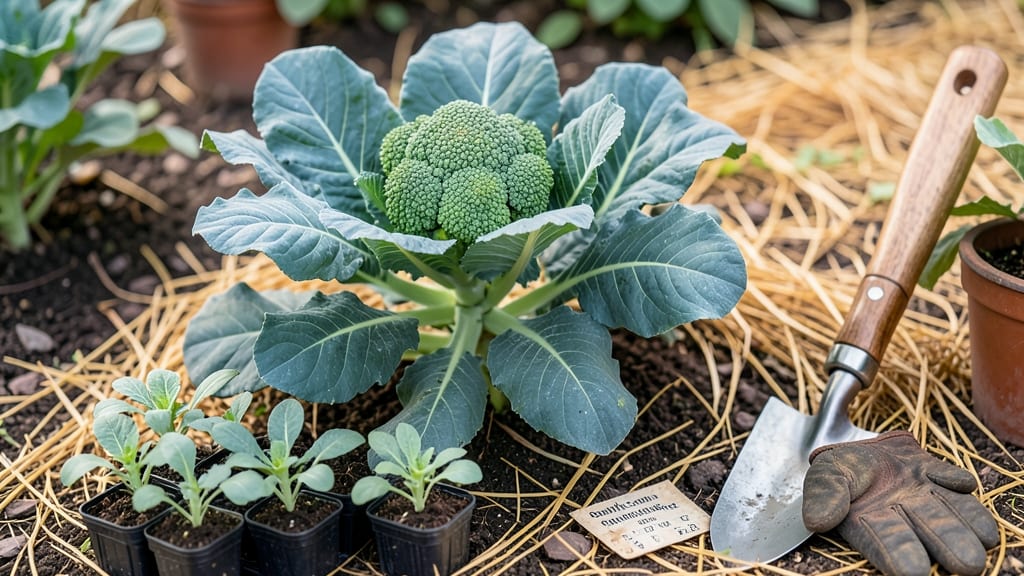
Timing your 🥦 broccoli planting in South Carolina can feel like solving a puzzle—get it right, and you'll harvest crisp, flavorful heads all season; get it wrong, and you might end up with bitter, bolted plants.
The key difference between coastal humidity and Piedmont's cooler temperatures means your planting window isn't one-size-fits-all.
Most gardeners in USDA zones 7b-8a know the golden rule: plant broccoli in late February through early March for spring harvests or August through early September for fall crops. But here's the catch—coastal areas like Charleston face earlier heat stress, while Piedmont regions can handle slightly later starts.
A 5-day difference in timing can mean the difference between a thriving crop and wasted effort.
I've spent years perfecting my own broccoli schedule, and what I'm about to share will help you avoid common mistakes like planting too early (risking frost damage) or too late (triggering bolting).
Whether you're a first-time gardener or a seasoned pro, these region-specific tips will give you the confidence to plant at the perfect moment.
Let's dive into the exact planting dates that work for your specific corner of South Carolina—because when it comes to broccoli, timing really is everything. You'll discover how to adjust for your microclimate and keep those 🥦 heads growing strong from May through November.
Optimal broccoli planting dates by South Carolina region (coastal vs Piedmont)
Timing is everything when growing broccoli in South Carolina. The state’s diverse microclimates—from the warm coastal plains to the cooler Piedmont—create two distinct planting windows. In the coastal region (USDA Zone 8a), broccoli thrives in cooler months, while the Piedmont (Zone 7b) offers slightly longer growing seasons.
Understanding these differences ensures your plants mature before extreme heat or frost strikes.
For both regions, broccoli is a cool-season crop that bolts (goes to seed) when temperatures exceed 80°F (27°C). The key is planting when soil temperatures hover between 45-75°F (7-24°C)—ideal for germination and head formation. In South Carolina, this means focusing on late winter/early spring and summer/early fall plantings.
Here’s how to align your planting schedule with South Carolina’s climate zones:
| Factor | Coastal Region (Zone 8a) | Piedmont Region (Zone 7b) |
|---|---|---|
| Last Frost Date | Mid-March | Late February |
| First Frost Date | Early November | Mid-November |
| Spring Planting Window | Late February - Early March | Early February - Mid-March |
| Fall Planting Window | August - Early September | Late July - Early September |
| Soil Temp for Germination | 50-75°F (10-24°C) | 45-70°F (7-21°C) |
| Heat Tolerance Limit | 75°F (24°C) max | 78°F (26°C) max |
| Key Variety Tip | 'De Cicco' (heat-tolerant) | 'Calabrese' (classic, slower bolting) |
In the coastal region, where humidity and heat arrive earlier, aim to transplant seedlings by late February for a spring crop. This gives plants enough time to mature before summer’s relentless heat.
For a fall harvest, start seeds indoors in August and transplant by early September, ensuring heads form before the first frost in early November.
Piedmont gardeners enjoy a slightly longer growing season. Plant spring broccoli as early as early February, taking advantage of cooler nights. For fall, begin seeds indoors in late July and transplant by early August.
The Piedmont’s cooler nights help broccoli tolerate slightly higher daytime temperatures, extending your window for a second crop.
Pro tip: Use frost cloth or row covers to protect seedlings in coastal areas during unexpected cold snaps. In the Piedmont, focus on succession planting—sow seeds every 2-3 weeks in spring and fall to stagger your harvest and avoid gaps in your garden’s productivity.
Remember, broccoli needs 60-70 days to mature from transplant. Count backward from your region’s first frost date to determine the latest you can plant for a fall harvest.
For example, if frost hits November 15, your last transplant should go in by August 15 to ensure a 90-day growth cycle.
If you’re new to growing broccoli in South Carolina, start with transplants rather than seeds. Seedlings are hardier and give you a head start on the growing season. Choose 18-24 inch varieties like 'Waltham 29' for easier harvesting and better disease resistance in humid coastal conditions.
🌱
Optimal broccoli planting dates by South Carolina region (coastal vs Piedmont)
South Carolina’s two distinct climates—coastal and Piedmont—create different ideal planting windows for broccoli. Coastal areas (Zone 8a) have warmer winters and longer growing seasons, while Piedmont (Zone 7b) experiences cooler temperatures and earlier frosts. Timing your plants correctly ensures healthy growth and avoids bolting from heat stress.
For spring planting, aim for late February to early March in both regions.
Coastal gardens can start slightly earlier (mid-February), while Piedmont areas should wait until mid-March to avoid frost damage. Fall planting works best from mid-August to early September, with Piedmont gardens having a 1-2 week earlier window than coastal zones.
Broccoli thrives when soil temperatures reach 40-85°F. Coastal areas hit this range by early February, while Piedmont soils warm more slowly, delaying planting until late February. Always check local frost dates—coastal SC averages mid-March for last frost, while Piedmont sees frost 2-3 weeks earlier.
🥦 Broccoli Planting Timeline by Region
| Region | Spring Planting | Fall Planting | Key Consideration |
|---|---|---|---|
| Coastal SC | Late Feb - Early Mar | Mid-Aug - Early Sep | Warmer winters, longer season |
| Piedmont SC | Mid-Mar - Early Apr | Late Aug - Mid-Sep | Cooler temps, earlier frost |
⚠️ Pro Tip: Coastal areas can attempt January sowing under row covers for early harvests.
Broccoli needs 90-100 days to mature from transplant. For a fall harvest, plant 90 days before first frost (typically mid-November). Coastal gardens can extend this to early December with protection, while Piedmont gardens should finish by October 15th to avoid frost.
Always monitor weather forecasts—unexpected heat waves (above 85°F) can cause bolting. Use shade cloth or drip irrigation to maintain consistent soil moisture during hot spells. Succession planting every 2-3 weeks ensures a continuous harvest.
For container growing, adjust timing by 1-2 weeks earlier—pots warm faster and dry out quicker. Choose compact varieties like 'Little Sprint' for containers, and protect seedlings with frost blankets during cool snaps.