
Plants
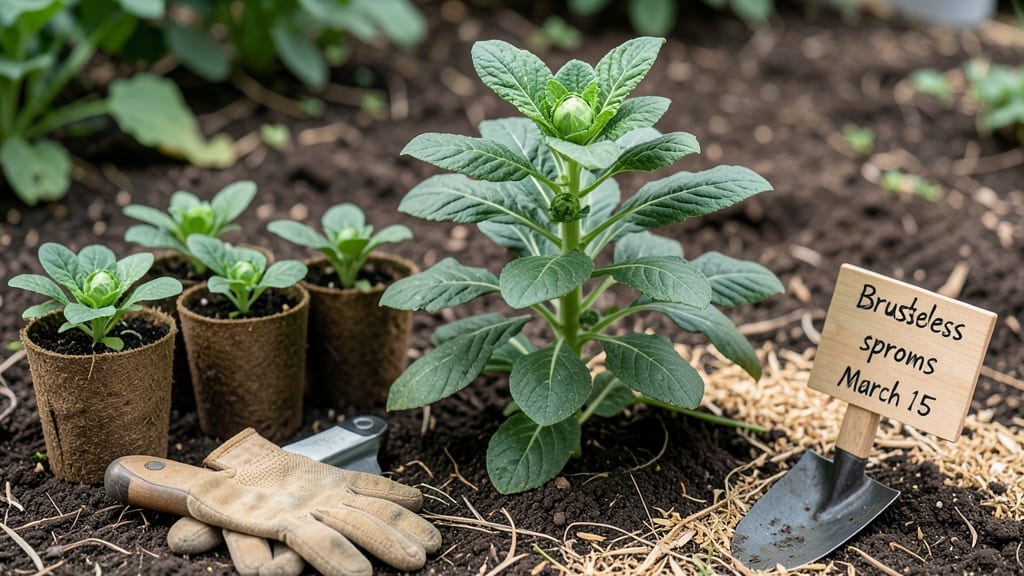
Knowing when to plant brussel sprouts in Zone 7 is the difference between a garden full of tiny, bitter sprouts and a harvest of plump, sweet 🥦 treasures. These cool-weather lovers need precise timing—too early, and they bolt in summer heat; too late, and frost ruins your crop before harvest.
With just a few key dates and simple adjustments, you can master the perfect planting window for two bountiful harvests each year.
Zone 7 gardeners have two ideal planting windows: mid-spring to early summer (March-April) for fall harvests, or late summer to early fall (August-September) for winter harvests. The secret lies in soil temperatures and frost dates—planting 4-6 weeks before your last frost ensures strong seedlings before summer heat arrives.
For fall crops, aim for 8-10 weeks before the first frost to let them mature before cold sets in.
Whether you're starting from seeds or transplants, timing matters just as much as spacing. Seedlings need consistent moisture and protection from pests during their early growth phase. Once established, these 2-3 foot tall plants thrive with minimal fuss—but only if you nail the planting schedule.
Let’s break down exactly how to align your calendar with your brussel sprouts’ needs for a foolproof harvest.
Harvest season in Zone 7 runs from October through December, but the real magic happens when you time your planting right. A little planning now means you’ll be picking crisp, flavorful sprouts just as others are scrambling to figure out what went wrong.
Ready to grow like a pro? Let’s get started.
Best planting windows for brussel sprouts in Zone 7: early vs late season
Brussel sprouts are cool-season crops that love Zone 7’s mild winters and cooler springs/falls. The key to a great harvest is planting at the right time—too early, and they bolt in summer heat; too late, and they won’t mature before frost.
In Zone 7, you’ve got two prime windows: spring and fall, each with its own sweet spot.
For spring planting, aim for 4-6 weeks before your last frost date (around March 15–April 1 in most of Zone 7). This gives your sprouts time to establish roots before summer’s heat arrives.
Fall planting, however, is where Zone 7 gardeners really shine—planting 8-10 weeks before your first frost (around August 1–15) ensures a harvest just as the weather cools.
Here’s the breakdown you’ve been waiting for—compare the two planting windows side by side to pick the best strategy for your garden.
| Factor | Spring Planting (March–April) | Fall Planting (August–September) |
|---|---|---|
| Planting Window | 4–6 weeks before last frost (March 15–April 1) | 8–10 weeks before first frost (August 1–15) |
| Ideal Soil Temp | 45–55°F (7–13°C) | 50–65°F (10–18°C) |
| Days to Maturity | 90–120 days (harvests Oct–Nov) | 80–100 days (harvests Nov–Dec) |
| Heat Risk | High (bolting likely) | Low (cooler temps ideal) |
| Frost Tolerance | Moderate (protect young plants) | High (flavor improves post-frost) |
| Best Varieties | ‘Long Island Improved’, ‘Jade Cross’ | ‘Ruby Cross’, ‘Tasty Purple’ |
| Pro Tip | Use shade cloth if temps exceed 80°F | Harvest after first light frost for sweeter sprouts |
Spring planting is trickier in Zone 7 because summer heat can stress your sprouts. If you go this route, opt for early-maturing varieties (like ‘Long Island Improved’) and provide afternoon shade during peak heat.
I’ve had the best luck with fall plantings, though—they’re more forgiving and often produce sweeter sprouts after a light frost.
Pro tip: If you’re eager for an early harvest, try succession planting in late spring. Sow a few seeds every 2 weeks from April through May, spacing them so you can harvest at different times. This way, you’ll still get a taste of fresh sprouts even if some plants bolt.
For fall plantings, don’t wait until September—August is your golden window. Planting too late risks sprouts that mature just as winter sets in. Aim to have your plants established by mid-August so they’re ready to harvest by November.
If you’re in a cooler microclimate (like near a lake or mountain), you might even squeeze in a late-September planting for a December harvest.
One mistake I see often? Gardeners assume they can plant transplants too late in fall. While seedlings are easier to start, they still need time to adjust. If you’re using transplants, get them in the ground by mid-August at the latest—any later, and they’ll struggle to mature before frost.
Remember, soil temperature matters more than air temperature. Use a soil thermometer to confirm your soil is at least 50°F (10°C) before planting. Cold soil slows germination, and you don’t want to wait until it’s too late.
If your soil is still chilly in spring, consider using black plastic mulch to warm it up faster.
Finally, don’t overlook microclimates. If your garden sits in a low spot or near a building, it might stay cooler longer—perfect for extending your fall planting window.
Conversely, a sunny, exposed area could mean you need to plant earlier to avoid heat stress. Observe your garden’s patterns over a few years to fine-tune your timing.
With these windows nailed down, you’re ready to plan your Zone 7 Brussel sprout calendar. Next, we’ll dive into how to extend your harvest season even further with clever tricks like row covers and companion planting—stay tuned! 🥦
Best planting windows for brussel sprouts in Zone 7: early vs late season
In Zone 7, timing your brussel sprouts planting is everything—these cool-loving plants despise summer heat. Your two best windows are mid-spring (March-April) for fall harvests and late summer (August-September) for winter harvests.
The key is working with your last frost date (April 15) and first frost date (November 15) to avoid bolting or frost damage.
For spring plantings, aim to get seeds in the ground 4-6 weeks before your last frost. This gives seedlings time to establish before summer heat arrives. In my garden, I start seeds indoors in early March, then transplant outdoors by late March.
Fall plantings require more precision—sow seeds 8-10 weeks before your first frost (around August 15 in Zone 7) to ensure mature sprouts before cold sets in.
Soil temperature is just as critical as air temperature. Brussel sprouts thrive when soil stays between 45-75°F (7-24°C). Use a soil thermometer to confirm—if it’s above 80°F (27°C), your plants will bolt.
In Zone 7, this usually means avoiding late May plantings unless you’re using shade cloth or row covers to keep roots cool.
| Planting Window | Best Months | Key Considerations | Harvest Time |
|---|---|---|---|
| Spring Planting | March-April | 4-6 weeks before last frost; protect from heat | October-December |
| Fall Planting | August-September | 8-10 weeks before first frost; needs frost protection | December-February |
| Succession Planting | Every 2-3 weeks | Stagger plantings for extended harvest; use row covers | October-March |
Variety selection matters too. Early-maturing types like 'Long Island Improved' (85 days) work well for spring plantings, while late-season varieties like 'Jade Cross' (100 days) are better for fall.
My favorite for Zone 7 is 'Ruby Ball'—it handles heat better than most and produces sweet sprouts even after light frosts.
Don’t forget about transplant shock when using young plants. If you buy transplants, get them in the ground by early April for spring crops. Harden them off for 7-10 days before planting by gradually exposing them to outdoor conditions.
For fall, use transplants by mid-August to give them enough time to establish before winter.
Pro tip: Mark your calendar for August 15—this is my "last chance" date for fall plantings in Zone 7. After that, even with row covers, your sprouts won’t have enough time to mature before frost.
With the right timing, you’ll enjoy fresh brussel sprouts from October through December, plus a second harvest in early spring if you protect them with mulch.