
Plants
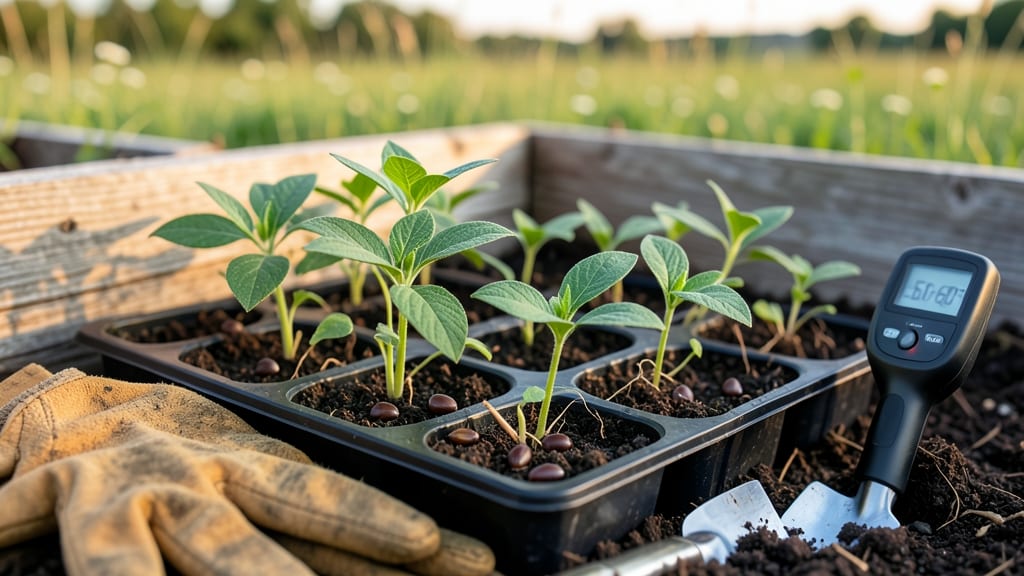
Knowing when to plant buckwheat in Michigan can mean the difference between a bumper crop and a wasted effort—this fast-growing grain needs precise timing to avoid frost damage or bolting.
Michigan’s USDA Zones 5-6 give you two prime windows: late spring and early fall, but getting it wrong means missed harvests or stunted plants.
Buckwheat thrives in cool weather but hates late frosts, so planting too early risks cold snaps, while waiting too long cuts your harvest short. The key is aligning your schedule with Michigan’s last frost dates (mid-April) and first frost (mid-October), ensuring you get that 60-75 day growth cycle just right.
I’ll break down the exact planting windows for Michigan’s regions—whether you’re in the Upper Peninsula or southern Lower Michigan—plus how to adjust for unpredictable weather. No more guessing; just proven strategies for fast, reliable harvests every season.
Ready to turn your garden into a buckwheat powerhouse? Let’s dive into the timing secrets that’ll have you reaping 🌾 by late summer—or even fall.
Michigan buckwheat planting dates by frost Zone: exact timing for fast harvests
Michigan’s diverse frost zones mean your buckwheat planting schedule should vary by region. The Upper Peninsula faces later springs, while Southern Michigan enjoys earlier last-frost dates. To avoid late frosts that kill seedlings or early bolting from heat stress, align your planting with local USDA Zone 5-6 averages.
Buckwheat thrives in cool weather but needs 60-75 days to mature. Plant too early, and frosts will damage it; too late, and summer heat causes premature flowering. Michigan’s frost-free window typically spans May through September, but exact timing depends on your microclimate.
Here’s how to pinpoint your optimal planting window based on Michigan’s three key regions, using historical frost data and buckwheat’s growth cycle.
🌾For risk-averse growers, add a 10-day buffer after your region’s average last frost. Check the Michigan State University Garden Hotline or local NOAA frost forecasts for updates. In Zone 6 (Southern Michigan), you can even plant as early as April 25 if using row covers for frost protection.
Fall planting is critical for late-season harvests. Aim to sow buckwheat 8–10 weeks before your first frost (typically early August in the UP and mid-July in Southern Michigan). This ensures seeds mature before fall frosts hit, giving you grain for birdseed or flour.
Pro tip: Use soil thermometers to confirm 50°F+ soil temps before planting. Cold soil delays germination, and buckwheat won’t tolerate below 45°F. In cooler zones, opt for earlier-maturing varieties like ‘Manchuria’ to squeeze in a harvest.
If you’re growing buckwheat as a cover crop, plant it late summer (August) to early fall for winter protection. Its deep roots suppress weeds and improve soil structure before winter kill.
Remember: Succession planting every 2–3 weeks in spring can stretch your harvest window. For example, plant a batch on May 15 and another on June 1 to enjoy grain at different times.
For urban gardeners with limited space, container-grown buckwheat can be planted 2–3 weeks later than in-ground crops, as pots warm up faster. Just ensure containers have drainage holes to prevent root rot.
Track your local frost dates for 3 years to refine your schedule. Michigan’s climate shifts yearly—what worked in 2023 might fail in 2024 due to earlier springs or delayed frosts. Adjust accordingly!
How to adjust buckwheat planting for Michigan’s unpredictable weather patterns
Michigan’s spring weather is famously fickle—one day warm enough to plant, the next hit with a surprise frost that can stall your buckwheat’s growth. The key to success? Flexible planting strategies that account for temperature swings and erratic rainfall.
Since buckwheat matures in just 60-75 days, even a few delayed planting days can mean the difference between a bountiful harvest and a wasted seed packet.
Start by monitoring local frost forecasts from the Michigan State University Extension or your county’s agricultural office. These resources provide real-time updates on last-frost dates and soil warming trends, which are critical for buckwheat.
For example, in USDA Zone 5 (Northern Michigan), soil may reach the ideal 50°F (10°C) planting temperature weeks after the official last frost date—so don’t rush!
Here’s my pro tip: Use black plastic mulch or row covers to warm the soil faster. Lay down 1-2mm thick black plastic 1-2 weeks before your target planting date to raise soil temperatures by 5-10°F.
This trick buys you an extra 7-10 days of planting flexibility, which is a lifesaver when Michigan’s spring drags on.
- 🌡️ Plant in microclimates: Choose south-facing slopes or urban heat islands (like paved areas nearby) where soil warms faster. These spots can be 1-2 weeks earlier than your yard’s average.
- ⏳ Stagger plantings: Sow half your seeds at the first safe window, then repeat every 2 weeks until early July. This ensures a continuous harvest even if early plantings bolt due to heat.
- 🌱 Use cold-hardy varieties: Opt for ‘Manchuria’ or ‘Kyushu 155’, which tolerate cooler soils and bolting less than standard types. These can handle 45-50°F soil temps, giving you a buffer.
- 💧 Adjust watering for heatwaves: During unseasonable heat (like Michigan’s 2023 early-June spikes), deep-water every 3-4 days to prevent bolting. Buckwheat’s roots need moisture consistency to stay focused on growth, not flowering.
- 📅 Track the 10-day forecast: Plant only when no frost is predicted in the next 10 days. Michigan’s “false springs” (warm spells followed by frost) are notorious—don’t let optimism override data!
For fall plantings, aim for August 1-15 in Southern Michigan and late August in the North. This gives buckwheat enough time to mature before the first frost (typically mid-October).
If you’re in a high-altitude area (like the UP), push plantings to early September—but use row covers to extend the season by 2-3 weeks if needed.
Finally, keep an eye on humidity levels. Buckwheat thrives in dry conditions but can develop mildew if planted too late in humid Michigan summers. If your forecast shows high humidity + 80°F+ temps, consider raising beds or planting in well-drained soil to prevent fungal issues.
A little extra effort here means healthier plants and bigger yields come harvest time.
With these adjustments, you’ll turn Michigan’s unpredictable weather into an advantage—not a roadblock—for your buckwheat crop. 🌾