
Plants
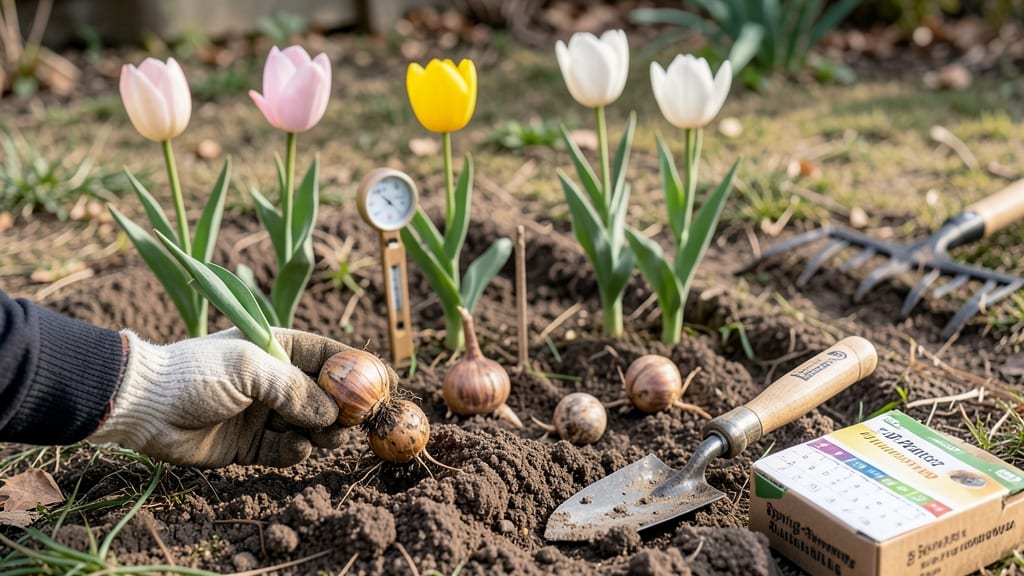
Planting your spring-flowering bulbs 🌷 at the wrong time in Kansas could mean waiting another year for those vibrant blooms you’re dreaming of. The key to success lies in understanding the perfect planting window—whether you’re in a cooler northern zone or a slightly warmer southern region.
Most Kansas gardeners know fall is the ideal time, but did you know the exact months matter? Planting too early or too late can expose your bulbs to frost damage or poor root development.
I’ll break down the best months for your USDA Zone 5b-6b area, so you can avoid common mistakes and enjoy a burst of color next spring.
From tulips to daffodils, each bulb has its own timing needs. Whether you’re a first-time planter or a seasoned gardener, these insights will help you maximize your blooms—no more guesswork, just beautiful results.
Let’s dive into the science behind the best planting months and how to prepare your soil for zero-frost success in Kansas.
Kansas planting zones: when to plant bulbs by month (avoid frost damage)
Kansas spans USDA Zones 5b-6b, which means your planting timeline depends on whether you’re in the cooler north or warmer south. The ideal window for most spring-flowering bulbs is 6-8 weeks before the ground freezes, typically between mid-September and mid-November.
But timing varies—northern Kansas gardeners should plant earlier, while southern regions can extend planting slightly later.
Spring planting is also possible, but it’s riskier. Bulbs planted in March or early April need consistent moisture and warmth to root before summer heat arrives. I’ve seen many gardeners skip fall planting only to struggle with spring failures—don’t make that mistake!
Here’s the breakdown you need: September is prime for early bloomers like crocuses, while October and November work for tulips and daffodils. In Zone 6b (southern Kansas), you might squeeze in a late-November planting, but avoid December entirely—frost will kill unrooted bulbs.
Pro tip: Check your last frost date. In Kansas, that’s usually April 15, but late frosts can linger. Planting too late in fall risks bulbs sprouting before winter sets in, leaving them vulnerable to freezing.
Now, let’s dive into the exact months for each zone, including soil prep tips to ensure your bulbs thrive. The key is balancing root development before winter dormancy—no guesswork needed!
| Zone | Best Planting Months | Bulb Types | Soil Temp Goal | Frost Risk |
|---|---|---|---|---|
| 5b (North KS) | September 15 - October 15 | Tulips, Daffodils, Hyacinths | 50-60°F | High (early frost) |
| 6a (Central KS) | September 20 - November 1 | Alliums, Crocus, Snowdrops | 45-55°F | Moderate |
| 6b (South KS) | October 1 - November 15 | Lilies, Fritillaries, Muscari | 50-60°F | Low (later frost) |
| Spring Planting | March 1 - April 15 | Tulips, Daffodils | 60-70°F | High (late frost) |
Notice how Zone 5b gardeners must plant earlier to avoid early frosts, while Zone 6b can extend planting later. The soil temperature is critical—bulbs need cool but not freezing soil to root. Use a soil thermometer if unsure; aim for 50-60°F for most varieties.
Spring planting is tricky but doable if you’re flexible. Plant in March for early blooms, but be ready to mulch heavily to protect roots from late frosts. I’ve had success with daffodils planted in spring—they’re frost-hardy once established.
One common mistake? Planting bulbs too shallow. In Kansas’s clay-heavy soils, deeper planting (2-3x bulb height) prevents heaving during freeze-thaw cycles. For example, 6-inch tulip bulbs need 12-18 inches of soil coverage.
Finally, mark your calendar for late winter. When you see crocuses peeking through snow, it’s time to prep your beds—your spring bulb show starts now!
Kansas planting zones: when to plant bulbs by month (avoid frost damage)
Kansas spans USDA Zones 5b-6b, where timing is everything for bulb success. In northern Kansas (Zone 5b), aim to plant bulbs by mid-October to avoid winter frost damage, while southern Kansas (Zone 6b) gardeners have until early November.
This window ensures bulbs establish roots before the ground freezes—typically around October 15 in most areas.
For spring planting, wait until March-April after the last frost date (usually April 15). However, spring-planted bulbs often bloom later and may not thrive as well as fall-planted ones. I recommend sticking with fall planting for the best results, especially for tulips, daffodils, and hyacinths.
| Zone | Ideal Planting Month | Last Chance | Frost Risk |
|---|---|---|---|
| Zone 5b (Northern KS) | September 15-October 15 | October 15 | High after October 15 |
| Zone 6a (Central KS) | September 20-November 1 | November 1 | Moderate after October 30 |
| Zone 6b (Southern KS) | September 25-November 10 | November 10 | Low after November 1 |
If you miss the fall window, don’t panic! You can still plant bulbs in early spring (March-April), but expect blooms to appear 4-6 weeks later than fall-planted bulbs. For example, tulips planted in spring may bloom in late May or June instead of April.
Watch for unpredictable late frosts, which can damage emerging shoots. In Kansas, late frosts often occur around April 15, so avoid planting too early in spring. If you’re unsure about frost dates, check your local National Weather Service or Kansas State University Extension for updates.
For summer-blooming bulbs like dahlias or cannas, plant after the last frost date (typically mid-May) when soil temperatures reach 60°F. These bulbs need warm soil to sprout, making spring planting essential for their success.
Pro tip: Use mulch after planting to insulate bulbs and protect them from temperature swings. A 2-3 inch layer of straw or shredded leaves works well in Kansas’ variable climate.