
Plants
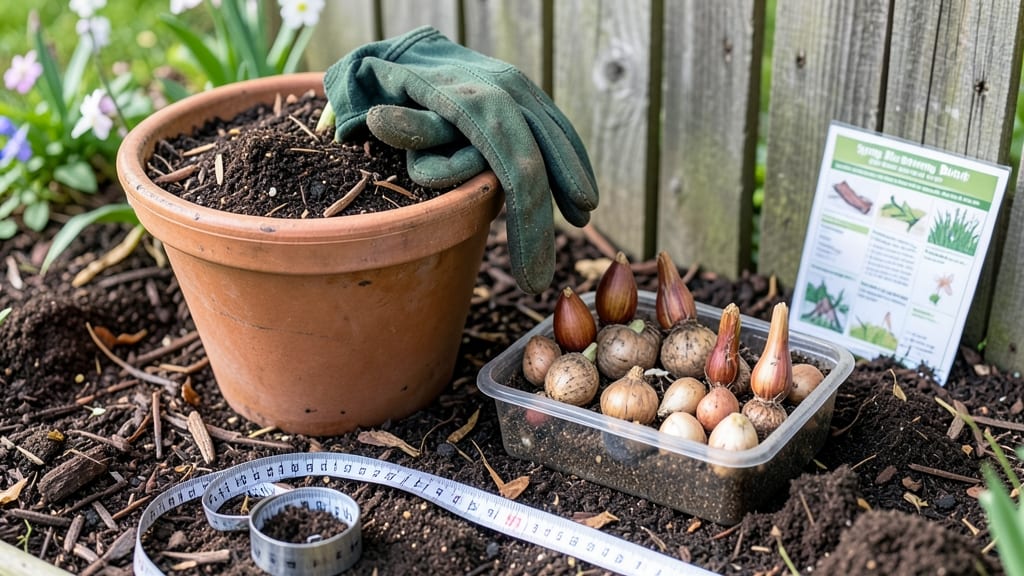
Timing your spring-planted bulbs in Oklahoma right is the difference between a showstopping garden and a year of waiting for blooms you never see. With Oklahoma’s 6a-7b zones and unpredictable winters, knowing when to plant—whether in fall or spring—can feel like guessing.
But here’s the good news: a few simple rules will help you avoid common mistakes and get those 🌱 tulips, daffodils, and crocuses thriving.
Most gardeners in Oklahoma swear by fall planting, but spring planting works too—if you follow the right schedule. The key is understanding your zone’s frost dates and soil temperatures, which can vary dramatically between northern and southern parts of the state.
Whether you’re a first-timer or a seasoned gardener, getting this timing right means fewer headaches and more vibrant blooms come spring.
In this guide, I’ll break down the exact planting windows for Oklahoma’s zones, from September through November for fall planting to January-February for spring.
You’ll also discover which bulbs thrive best in your area, how deep to plant them, and how to prep your soil for success—so you can skip the trial-and-error and start blooming with confidence.
Ready to transform your garden? Let’s dive into the perfect planting schedule for Oklahoma’s climate, so you can enjoy those first signs of spring without the guesswork.
Oklahoma’s best bulb planting months by hardiness Zone (fall & spring)
Oklahoma’s USDA hardiness zones 6-8 create a unique challenge for bulb planting—too early, and frost zaps tender roots; too late, and bulbs rot before winter. The key is fall planting for spring blooms (September-November) and winter planting for summer varieties (January-February).
Let’s break down the exact timing for your zone, including soil temperature cues and frost dates that separate success from failure.
Most gardeners in Oklahoma focus on fall planting because it gives bulbs time to establish roots before winter. However, Zone 7b and 8a gardeners (southern OK) can extend planting into early December, while Zone 6a gardeners (northern OK) must finish by mid-November.
The rule of thumb? Plant when soil temps drop to 60°F (15°C)—use a soil thermometer to confirm.
Spring planting is rare but works for winter-hardy varieties like crocuses and snowdrops. In Oklahoma, this means planting in January-February after the ground thaws but before March’s unpredictable warm spells. These bulbs need 6-8 weeks of cold to bloom, so timing is critical.
Here’s the visual planting calendar for Oklahoma’s zones, including frost dates and ideal soil conditions:
| Zone | Fall Planting Window | Soil Temp Goal | Spring Blooms | Spring Planting Window | Best Bulbs |
|---|---|---|---|---|---|
| 6a (Northern OK) | September 15 - November 15 | 60°F (15°C) | April - May | January 15 - February 15 | Daffodils, Tulips, Hyacinths |
| 7a (Central OK) | September 1 - November 30 | 60°F (15°C) | March - May | January 1 - March 1 | Alliums, Crocuses, Snowdrops |
| 7b/8a (Southern OK) | September 1 - December 15 | 60°F (15°C) | February - May | January 1 - March 15 | Dahlias, Canas, Caladiums |
For Zone 6a gardeners, the last frost date (April 15) signals when spring bulbs will bloom, while Zone 8a gardeners can enjoy earlier blooms as early as February. Always check your local Almanac frost dates—Oklahoma’s climate shifts yearly, and a late frost can devastate early bloomers like tulips.
Pro tip: Use mulch (3-4 inches) after planting to insulate bulbs from freeze-thaw cycles common in Oklahoma winters. Straw or shredded leaves work best—avoid thick layers that smother bulbs. In Zone 8a, you can even plant some bulbs in December if soil temps stay mild.
Spring-planted bulbs (like gladiolus or dahlias) need warm soil (65°F/18°C) to sprout. In Oklahoma, this means waiting until mid-February in northern zones or January in southern zones. These bulbs thrive in full sun and well-draining soil—critical for Oklahoma’s clay-heavy soils.
Remember: Bulb depth matters. Plant 2-3 times deeper than the bulb’s height (e.g., a 2-inch tulip bulb goes 6 inches deep). Oklahoma’s heavy clay can suffocate shallow bulbs, so amend soil with compost or sand for better drainage.
This simple step prevents rot and ensures stronger blooms next spring.
If you’re unsure about your zone, use the USDA Plant Hardiness Zone Map or check with your local Cooperative Extension office. Oklahoma’s microclimates vary wildly—even neighborhoods just miles apart can have different frost risks.
When in doubt, plant on the earlier side—bulbs won’t sprout until conditions are right.
🌱
5 Critical mistakes that ruin Oklahoma bulb planting (and how to avoid them)
Planting bulbs in Oklahoma’s unpredictable climate is a gamble if you don’t know the common pitfalls. Even experienced gardeners make these mistakes—like planting too early or ignoring soil prep—which can leave your bulbs struggling or dead before spring.
Let me show you how to avoid these costly errors and set your garden up for success.
First, many gardeners in Zone 6-8 plant bulbs too late in fall, risking frost damage before roots establish. The ideal window is 6-8 weeks before ground freeze—typically by mid-November. Use your local frost date (check the Oklahoma Mesonet) as your guide, not just the calendar.
⚠️ Callout Warning: Common Mistake #1
Planting Too Early or Too Late
Bulbs need cool soil temps (60°F or below) to root but won’t survive frost if planted too soon. In Oklahoma’s Zone 7, aim for September-October; in Zone 6, wait until October-November. Late plantings (after November 15) often rot before winter.
Another frequent error is skipping soil preparation—especially in Oklahoma’s heavy clay soil. Bulbs need well-draining, loose soil to prevent rot.
Amend your beds with compost or sand (1 part sand to 3 parts soil) and avoid planting in low spots where water pools. Test your soil’s pH too; most bulbs thrive in neutral to slightly acidic soil (6.0-7.0).
⚠️ Callout Warning: Common Mistake #2
Ignoring Depth and Spacing
Plant bulbs too shallow (less than 6 inches deep), and they’ll heave out of the ground in freeze-thaw cycles. Too deep (over 8 inches), and they may not bloom. Use the 3x rule: depth = 3x the bulb’s diameter. Space bulbs 3-6 inches apart for small varieties (crocuses) and 6-12 inches for large ones (tulips).
Overlooking microclimates is another silent killer. A south-facing slope in your yard might be Zone 7, while a shady north side could feel like Zone 6. Plant hardier bulbs (daffodils, alliums) in cooler microclimates and tender varieties (tulips, hyacinths) in warmer spots.
Also, avoid planting near large trees or shrubs, where roots compete for nutrients and soil stays too moist.
Finally, many gardeners forget to mulch after planting. A 2-3 inch layer of straw or shredded leaves insulates bulbs from extreme temperature swings and keeps soil moist. In Oklahoma’s winter droughts, mulch is non-negotiable. Just avoid piling mulch directly against bulb stems to prevent rot.
By sidestepping these mistakes, your bulbs will thrive through Oklahoma’s winters and reward you with vibrant spring blooms. Start with soil prep, time your planting precisely, and protect your investment with mulch—your future garden will thank you! 🌷