
Plants
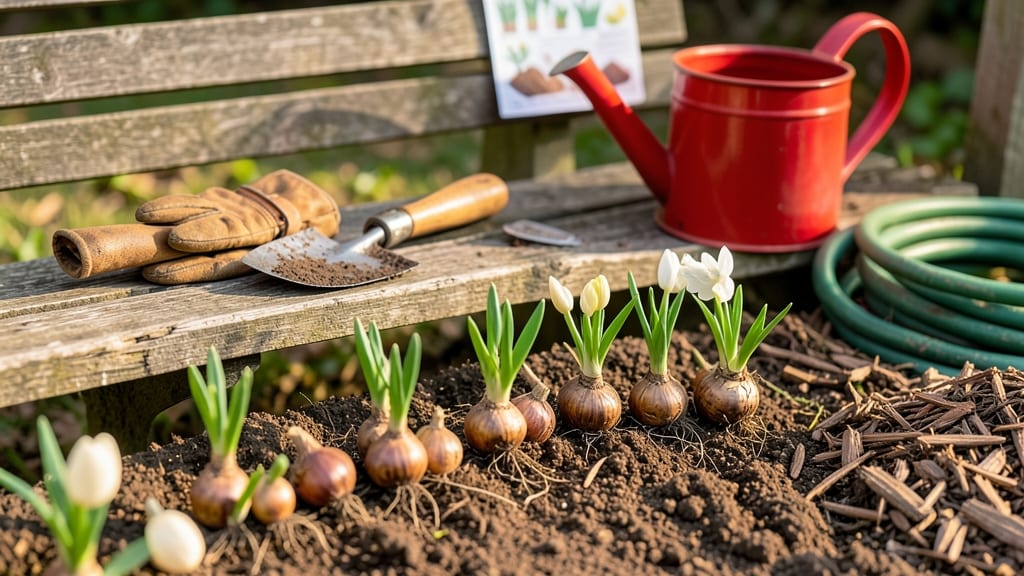
Timing your Spring Flowering Bulbs planting in Phoenix isn’t just about following a calendar—it’s about beating the heat and setting up those 🌷 blooms for success. With Zone 9b’s year-round warmth, most gardeners miss the narrow window when temperatures dip just enough for roots to establish before summer’s return.
You might think fall planting is too late, but the key is acting between October and December—when soil stays warm enough to avoid shock but cool enough to prevent premature sprouting.
This is your chance to outsmart Phoenix’s desert climate and grow bulbs that would otherwise struggle in the sweltering summers.
I’ll show you exactly which bulbs handle the heat, how deep to plant them, and the watering tricks that keep them thriving when most gardens give up. No more guessing—just proven methods for vibrant spring blooms that defy Arizona’s extremes.
Ready to transform your garden into a desert oasis? Let’s dive into the perfect planting schedule and the bulbs that actually make it work here.
Best months to plant bulbs in Phoenix’s extreme climate
Phoenix’s USDA Zone 9b-10a climate demands precise timing for bulb planting—miss the window, and your spring blooms may never appear. Unlike cooler regions, we can’t rely on frost cues, so soil temperature becomes our guide.
Aim to plant when daytime highs drop below 85°F and nighttime temps hover around 60°F, signaling ideal dormancy conditions.
Most gardeners in Phoenix target late September through November for traditional spring-blooming bulbs like tulips and daffodils. This timing ensures bulbs establish roots before winter’s mild chill, while avoiding the scorching summer heat that can stress young plants.
Summer-planted bulbs (like rain lilies) follow a different rhythm—we’ll cover those later.
Here’s the critical rule: Plant bulbs 6-8 weeks before your area’s first consistent cool spell. In Phoenix, that’s typically by mid-October for most varieties. Rushing in August or waiting until December risks poor root development or bulb rot in our well-draining but fast-drying soils.
🌱
For spring-blooming bulbs, the October–November window is non-negotiable. Plant too early (August), and bulbs may sprout prematurely in the heat, only to wither. Wait until December, and they’ll struggle to root before winter’s minimal chill. Use a soil thermometer to confirm temps are below 75°F before digging.
Phoenix’s microclimates add complexity. Low-lying areas like Central Phoenix stay warmer longer, while higher elevations (e.g., Scottsdale) cool faster. Adjust your timing 1–2 weeks earlier for cooler microclimates. For example, if you’re in Carefree, aim for early October planting, while Tempe gardeners might wait until mid-October.
Watering post-planting is half the battle. Newly planted bulbs need deep watering every 7–10 days until roots establish (about 6–8 weeks).
Use drip irrigation or soaker hoses to deliver moisture directly to the root zone without wetting foliage, which can promote fungal diseases in our hot, dry climate.
Pro tip: Mulch with 2–3 inches of straw or wood chips after planting to retain moisture and protect bulbs from extreme temperature swings. In Phoenix, this means shielding them from daytime heat and cool winter nights. Remove mulch in late winter to allow sunlight to reach emerging foliage.
🌿
Best months to plant bulbs in Phoenix’s extreme climate
Phoenix’s Zone 9b climate demands precise timing for bulb planting—too early, and they’ll rot; too late, and summer heat halts growth. The ideal window is October through December, when daytime temps drop below 80°F and nights cool to 50-60°F.
This mimics the natural cycle bulbs need to establish roots before dormancy kicks in.
Most gardeners focus on fall planting for spring blooms, but Phoenix’s lack of frost means we can also plant heat-tolerant bulbs in late winter (January-February) for summer color. The key is avoiding the 100°F+ summers—bulbs planted too late may sprout prematurely and burn up.
Here’s the breakdown: October-November is prime for classic bulbs like daffodils and tulips, while December-January works for tropical varieties that handle mild winters. Never plant after February, or you’ll risk heat stress before roots settle.
| Month | Best For | Soil Temp | Notes |
|---|---|---|---|
| October | Daffodils, Tulips | 65-75°F | 6-8 weeks before spring blooms |
| November | Hyacinths, Alliums | 55-65°F | Cooler nights = better root growth |
| December | Crinum, Rain Lilies | 50-60°F | Tropical bulbs need mild winters |
| January | Dahlias, Agapanthus | 55-65°F | Last chance for summer blooms |
For spring-blooming bulbs, aim to plant when soil temps hit 60-70°F—this prevents rot while allowing roots to grow. Use a soil thermometer to check; Phoenix’s desert soil can stay too warm even in fall.
Pro tip: Plant in well-draining soil amended with compost to mimic the moisture bulbs need without soggy conditions.
Watering is critical: deep but infrequent sessions (every 10-14 days) encourage roots to seek moisture, while shallow watering promotes rot. Mulch with 2-3 inches of straw to retain moisture and protect bulbs from temperature swings—especially important in Phoenix’s day-night temp swings.
Remember, Phoenix’s lack of frost means bulbs stay active longer. Most varieties will bloom in spring, but some like Nerine lilies thrive in summer. The secret? Plant at the right depth—typically 2-3 times the bulb’s height—and choose varieties bred for heat.
With these timing tricks, your bulbs will outlast the desert heat and reward you with vibrant blooms year after year.