
Plants
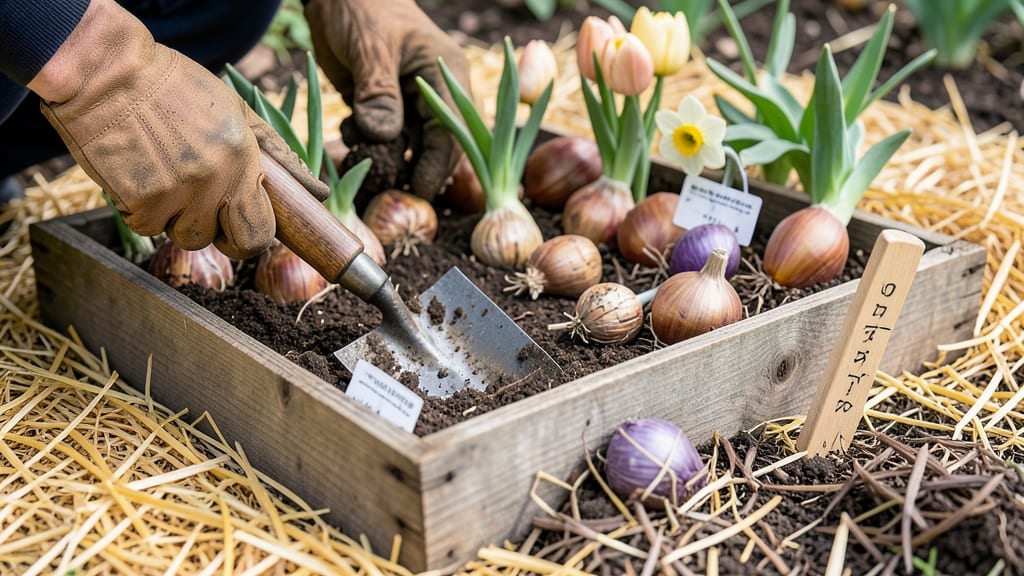
Timing your fall bulb planting isn't just about throwing bulbs into the ground—it's the secret to vibrant spring blooms that make your garden the envy of the neighborhood.
The key? Matching your local chill hours with the right planting window, so those 🌱 tulips and daffodils get the perfect winter nap.
Most gardeners in USDA Zone 6a (like me!) have a 6-8 week window before the first frost to get bulbs in the ground. But here's the catch: planting too early or late can mean weak blooms—or worse, no blooms at all.
I've learned that soil temperature and bulb types play bigger roles than most people realize.
In this guide, you'll discover exactly when to plant different bulbs (like tulips vs. daffodils) based on your region's chill hours. We'll cover how to adjust for early/late frosts, what soil prep actually matters, and why spacing your bulbs properly makes all the difference.
Let's get those spring flowers off to the best start!
Whether you're a first-time planter or a seasoned gardener, these insights will help you avoid common mistakes that ruin fall bulb planting. Ready to transform your garden next spring? Let's dig in!
Fall bulb planting timeline by USDA Zone: chill-hour requirements explained
Timing your fall bulb planting isn’t just about avoiding frost—it’s about giving bulbs the chill hours they need to bloom reliably next spring. Different bulb varieties require specific cold exposure, measured in hours below 40°F (4°C).
Plant too early, and you risk premature sprouting or weak growth. Plant too late, and bulbs won’t establish roots before winter dormancy.
Most gardeners in the U.S. plant bulbs 6-8 weeks before the first frost, but this window shifts dramatically depending on your USDA hardiness zone. For example, tulips in Zone 3 need 12-16 weeks of chill hours, while daffodils in Zone 10 may only tolerate 4-6 weeks.
Let’s break it down by zone to ensure your bulbs get the perfect cold treatment.
Here’s how to match your bulb varieties to your zone’s chill hours for vibrant, on-time blooms:
| USDA Zone | Ideal Planting Window | Chill Hours Needed | Best Bulb Varieties | Soil Temp Goal |
|---|---|---|---|---|
| Zones 3-5 | Late August to mid-October | 12-16 weeks (1,200-1,600 hrs) | Tulips, Hyacinths, Crocus | 50-60°F (10-15°C) |
| Zones 6-7 | Mid-September to early November | 8-12 weeks (800-1,200 hrs) | Daffodils, Alliums, Fritillaria | 55-65°F (13-18°C) |
| Zones 8-9 | October to early December | 4-8 weeks (400-800 hrs) | Rain Lilies, Snowdrops, Camassia | 60-68°F (15-20°C) |
| Zone 10+ | November to January | 2-4 weeks (200-400 hrs) | Cyclamen, Winter Aconite | 65-70°F (18-21°C) |
🌱 Pro Tip: Use a soil thermometer to confirm temps—bulbs need 4-6 weeks to root before winter!
Notice how Zone 3 gardeners have a wider window (late August to mid-October) compared to Zone 10, where planting must happen after the first frost risk has passed. This shift reflects the reduced chill hours in warmer climates.
For example, tulips in Zone 9 may bloom earlier or sporadically if planted too early, while daffodils thrive with less chill.
In Zones 3-5, aim to plant tulips and hyacinths by mid-October to ensure they’ve developed roots before the ground freezes. In Zones 6-7, you can extend planting into early November, but avoid waiting until December—bulbs need time to root before winter dormancy.
For Zones 8-10, focus on October and November, and choose varieties labeled as "low-chill" or "mild-winter".
One common mistake is assuming "later is better". In reality, bulbs planted too close to frost won’t establish roots and may rot. The 6-8 week rule ensures bulbs have time to root while still benefiting from fall rains.
For instance, in Zone 7, planting daffodils in mid-September gives them enough time to root before winter, while waiting until November risks poor establishment.
If you’re in a transition zone (e.g., Zone
Fall bulb planting timeline by USDA Zone: chill-hour requirements explained
Understanding your USDA Zone and chill-hour requirements is the first step to planting bulbs at the perfect time. Most bulbs need 6-16 weeks of cold temperatures (below 40°F) to bloom properly in spring.
For example, tulips typically need 12-16 weeks of chill, while daffodils only require 8-12 weeks. Planting too early can cause premature sprouting, while waiting too long risks dormancy issues.
In USDA Zone 6a, where soil temperatures drop below 60°F around mid-October, the ideal planting window is 6-8 weeks before the first frost. This usually lands in late September to early November.
But if you live in Zone 7b or warmer, you may need to plant bulbs as early as August to ensure they get enough chill hours before the ground freezes.
Here’s how to match your bulbs to your zone’s chill hours for reliable blooms:
| USDA Zone | Planting Window | Chill Hours Needed | Best Bulbs for Zone |
|---|---|---|---|
| Zones 3-5 | October-November | 14-16 weeks | Tulips, Hyacinths, Snowdrops |
| Zones 6-7 | September-October | 10-12 weeks | Daffodils, Alliums, Crocus |
| Zones 8-10 | August-September | 6-8 weeks | Paperwhites, Rain Lilies, Cyclamen |
If you’re in a warmer climate (Zones 8-10), focus on bulbs like paperwhites or rain lilies, which thrive with minimal chill hours. Meanwhile, gardeners in colder zones (3-5) should prioritize tulips and hyacinths, which handle longer cold snaps.
Pro tip: Check your bulb packaging for chill-hour requirements—it’s often listed as "chill hours" or "cold requirement."
For Zone 6a gardeners, aim to plant tulips and daffodils by mid-October to ensure they get enough cold before spring. If your fall is unusually warm, consider using a lightweight row cover to protect bulbs from premature sprouting.
Always plant bulbs 6 inches deep (or 3x their height) and space them 4-6 inches apart for optimal growth.
Timing isn’t just about the calendar—it’s also about soil temperature. Use a soil thermometer to confirm the ground is below 60°F before planting. This ensures bulbs won’t sprout too early and get damaged by frost.
In my garden, I’ve found that planting daffodils in early October gives them just enough chill to bloom beautifully by April.
Remember, bulbs planted in late fall (December) may not get enough chill hours to bloom, but they can still store energy for future seasons. If you miss the ideal window, don’t worry—some bulbs, like crocus, can handle late planting! Just adjust your expectations for spring blooms accordingly.