
Plants
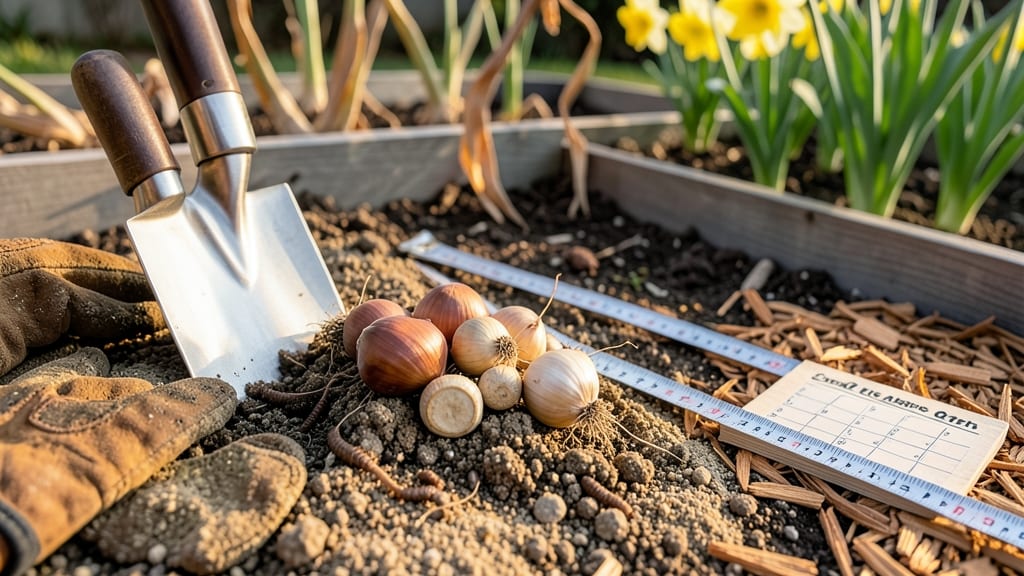
If you're dreaming of a burst of spring color in Zone 4, timing your bulb planting is the secret weapon you need. The perfect window for planting bulbs in Zone 4 isn't just about the calendar—it's about reading your soil and climate like a pro.
Get this right, and you'll see tulips, daffodils, and crocuses breaking through frost with stunning precision.
Fall is your golden opportunity, but rushing too early or waiting too late can spell disaster for your 🌷 bulbs (General). We're talking September through November, when soil temperatures drop and frost looms—but before the ground freezes solid.
This narrow window is where patience meets preparation, and the difference between thriving blooms and wasted effort.
I'll walk you through the exact cues to watch for—soil temperature, frost dates, and even how to adjust for rocky or poorly draining soil common in colder climates. No more guessing games; just actionable tips that'll have your garden looking like a pro's work by next spring.
Whether you're a first-time gardener or looking to refine your technique, these insights will help you plant with confidence. Let's make sure your bulbs get the head start they deserve before winter sets in.
Zone 4 bulb planting timeline: month-by-month guide
Planting bulbs in Zone 4 requires precision—miss the window, and your spring blooms may never appear. Most spring-flowering bulbs like tulips and daffodils need 6-8 weeks to establish roots before winter freeze. Summer-flowering bulbs, like dahlias, have a different schedule. Let’s break it down by month to avoid common mistakes.
Start with September, your best month for planting. Soil temperatures should hover around 60°F—ideal for root growth before frost. If you wait until October, act fast; bulbs must be in the ground 4-6 weeks before the first hard freeze (usually mid-October in Zone 4).
November is your last chance, but only for hardy varieties like crocuses.
Here’s the month-by-month breakdown you need to nail your timing:
For summer-flowering bulbs, like cannas or dahlias, timing shifts to late winter. Plant these after the last frost (mid-May in Zone 4) when soil warms to 60°F. They thrive with 6+ hours of sun and need well-draining soil to prevent rot.
Pro tip: Use a soil thermometer to confirm readiness. Bulbs planted too early may sprout prematurely and get fried by frost. If your soil stays warm late, opt for late-blooming varieties like ‘Darwin Hybrid’ tulips, which handle cooler springs better.
Zone 4’s short growing season demands patience. Mark your calendar for September 15-October 15—this 6-week window is your golden opportunity. Miss it, and you’ll be waiting another year for those vibrant spring blooms.
Don’t forget to mulch after planting! A 2-3 inch layer of straw or shredded leaves insulates bulbs from temperature swings and keeps moisture consistent. This small step can double your success rate in Zone 4’s unpredictable climate.
🌱
Signs your Zone 4 soil is ready for bulb planting
Zone 4 gardeners know the stakes are high—plant too early, and your 🌷 bulbs might rot before winter; too late, and they won’t establish roots in time.
The key is watching for these three critical soil cues that signal your garden is ready to welcome bulbs: soil temperature, moisture balance, and frost timing.
First, your soil should cool to between 40°F and 60°F (4°C–15°C). Use a soil thermometer to check—this range mimics autumn’s natural chill and prevents premature sprouting. If temps dip below 40°F, bulbs may wake up too soon and suffer frost damage before winter sets in.
Next, the ground should be workable but not soggy. Press your finger 1-2 inches deep—if soil clumps slightly but crumbles easily, it’s ideal. Heavy clay or rocky soil?
Amend with compost or sand to improve drainage, as bulbs hate soggy roots and will rot faster in Zone 4’s wet springs.
Here’s where many gardeners trip up: frost dates. Aim to plant 4-6 weeks before your first hard frost (typically late October in Zone 4). Check your local USDA frost map—this window ensures bulbs root deeply before winter, so they’re ready to bloom next spring.
⚠️ Watch Out for These Mistakes
- Planting in warm soil (>60°F) triggers early sprouting, leading to frost-killed shoots.
- Ignoring soil drainage—bulbs in waterlogged spots rot within weeks.
- Skipping soil prep—rocky or compacted soil restricts root growth.
Pro Tip: Test drainage by digging a 6-inch hole, filling it with water, and timing how long it drains. If it takes more than 1 hour, amend your soil!
For containers or raised beds, soil warms faster—plant 2-3 weeks earlier than in-ground spots. Container soil also dries quicker, so mulch with straw or shredded leaves to retain moisture until winter. In-ground beds benefit from a 2-inch layer of mulch after planting to insulate bulbs.
Don’t stress if your soil feels too dry or too wet—adjust with compost or organic matter to hit the sweet spot. The goal? Moist but not soggy, cool but not frozen. Once you’ve nailed these cues, your bulbs will thank you with vibrant spring blooms year after year.