
Plants
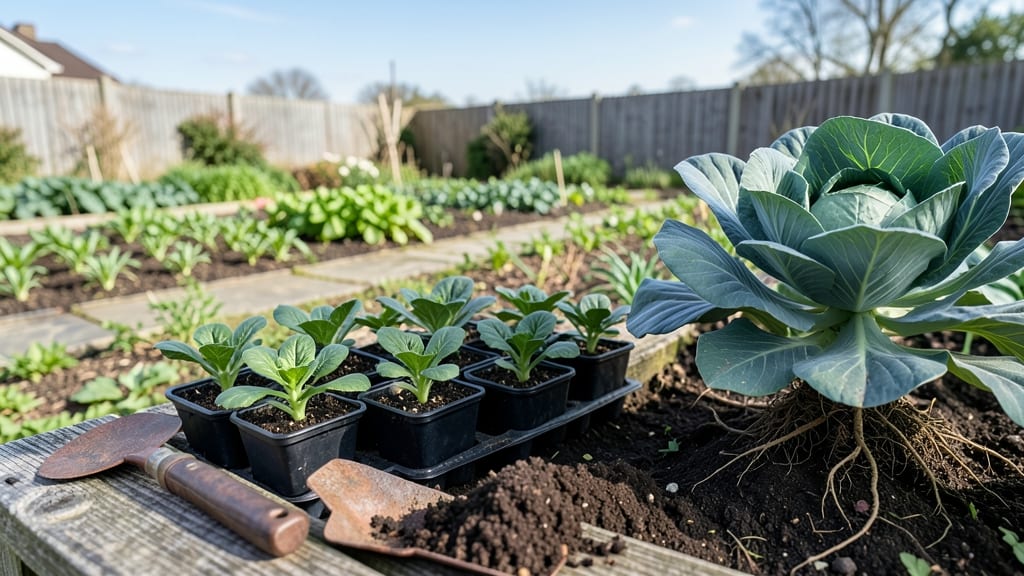
Timing your 🥬 cabbage planting in Illinois could mean the difference between a thriving garden and a bitter disappointment. That's because bolting—when cabbage flowers prematurely—is a real threat here, especially if you plant too early or too late.
Understanding the perfect planting windows for your specific zone is the key to growing crisp, flavorful heads all season.
In Illinois' USDA Zones 5-6, spring is your best bet for planting 🥬 cabbage, but the exact timing depends on where you live. Northern Illinois gardeners should start seeds indoors in early March, while those in southern Illinois can plant directly in the soil by mid-March.
The goal? Get those seedlings in the ground 4-6 weeks before your last frost date, which typically falls around April 15.
But don't stop there—fall planting is just as important. For a late harvest, sow seeds in July or August, giving your cabbage enough time to mature before the first frost hits in mid-October.
This two-part strategy ensures you'll have fresh 🥬 cabbage from June through November, no matter where you are in the state.
Ready to avoid bolting and grow the best cabbage in Illinois? I'll show you exactly how to time your plantings for maximum success, including soil temperature tips and variety recommendations tailored to your local climate. Let's get started!
Illinois cabbage planting calendar by hardiness zone (avoid bolting guaranteed)
Getting your cabbage timing right in Illinois means the difference between crisp, market-ready heads and bitter, bolted disappointment. The state spans USDA zones 5a through 6b, and each zone has its own optimal planting window to prevent premature flowering triggered by heat or cold stress.
For northern Illinois (zones 5a-5b), your last spring frost typically arrives around April 15, while southern Illinois (zones 6a-6b) sees frost-free conditions about 2 weeks earlier. Fall planting works in reverse—starting 8-10 weeks before your first frost, usually mid-July to early August.
Here’s your zone-specific planting calendar to grow cabbage without bolting risk, including soil temperature requirements and frost-free date calculations:
| Zone | Last Spring Frost | Optimal Spring Planting | Soil Temp (°F) | First Fall Frost | Optimal Fall Planting |
|---|---|---|---|---|---|
| 5a (Northern IL) | April 15 | March 15–April 1 | 45°F+ | October 15 | July 15–August 1 |
| 5b (Central IL) | April 1 | March 1–March 15 | 45°F+ | October 20 | July 20–August 5 |
| 6a (Southern IL) | March 20 | February 20–March 10 | 40°F+ | October 25 | July 25–August 10 |
| 6b (Extreme Southern IL) | March 10 | February 15–March 5 | 40°F+ | November 1 | August 1–15 |
For spring planting, aim to transplant 4-6 weeks before your last frost—this ensures seedlings mature before summer heat triggers bolting. Soil temperatures below 45°F can stunt growth, so wait until the ground warms or use row covers for early starts.
Fall planting is trickier: Start seeds indoors 6-8 weeks before transplanting to avoid rushed growth. Heat-tolerant varieties like ‘Golden Acre’ or ‘Cavalo’ handle late-summer planting better than traditional types. Always choose 70-day maturity varieties for fall to finish before frost.
Pro tip: Use the University of Illinois Extension’s frost date map to pinpoint your exact last frost date—it varies by 5-10 days even within the same county. For northern zones, consider cold-hardy varieties like ‘January King’ for early harvests.
Bolt risk spikes when daytime temps exceed 80°F for 3+ days. If your summer runs hot, opt for shade cloth or succession planting every 2 weeks to keep a steady harvest before bolting hits.
For container growing, stick to dwarf varieties like ‘Mini Magic’ and plant 2-3 weeks earlier than ground planting—containers warm faster and can trigger bolting sooner.
Always test your soil pH (6.0–7.0) and amend with compost before planting. Rich, well-draining soil reduces stress that leads to bolting, and a 2-inch layer of mulch keeps roots cool in summer.
How to extend your Illinois cabbage season without risking bolting
Extending your 🥬 cabbage harvest in Illinois isn't just about timing—it's about strategy. With the right techniques, you can enjoy fresh heads from early summer through late fall without triggering that dreaded bolting response.
The key lies in cold-hardy varieties, succession planting, and smart use of row covers to protect your plants from extreme temperatures.
For early spring harvests, start with cold-tolerant varieties like 'Beltsville' or 'Early Jersey Wakefield'. These can handle cooler soil temperatures and give you a head start on the season.
Plant them indoors 6-8 weeks before your last frost date (around mid-March for most of Illinois), then transplant outdoors as soon as the soil reaches 40°F. This early start helps you beat the heat that triggers bolting.
Now, let's talk about extending your season into fall—a favorite strategy of mine. The trick is to plant heat-tolerant varieties like 'Golden Acre' or 'Savoy King' in late July or early August.
These varieties can handle the summer heat better than standard types and give you a harvest just before the first frost. But don't stop there—use row covers to protect your plants from unexpected cold snaps in October.
- ❄️ Start with cold-hardy varieties like 'Beltsville' for early spring planting. These handle 40°F soil and prevent bolting.
- ☀️ Use heat-tolerant varieties like 'Golden Acre' for late summer planting. These thrive in 80°F+ temperatures without bolting.
- 📅 Practice succession planting every 2-3 weeks from March through July to ensure a continuous harvest.
- 🛡️ Use row covers in early spring or late fall to protect plants from unexpected frost or heat waves.
- 💧 Water deeply in the morning to keep soil moisture consistent and reduce stress that can trigger bolting.
Succession planting is another game-changer. Instead of planting all your seeds at once, sow a new batch every 2-3 weeks from March through July. This ensures you always have young plants that won't bolt from the heat.
For example, if you plant your first batch in early March, follow up with batches in late March, early April, and so on. This staggered approach gives you a steady supply of fresh 🥬 cabbage all season long.
Don't forget about row covers—they're your best friend for extending the season. In early spring, use them to protect young plants from late frosts, which can stress the plants and lead to bolting. In late fall, they can shield your cabbage from unexpected cold snaps in October, giving you extra time to harvest. Just
Finally, pay attention to your watering routine. Cabbage plants need consistent moisture, especially during hot summer months. Water deeply in the morning to keep the soil evenly moist, but avoid overwatering, which can lead to root rot. Mulching around your plants can also help retain moisture and keep the soil temperature stable, reducing the risk of bolting.