
Plants
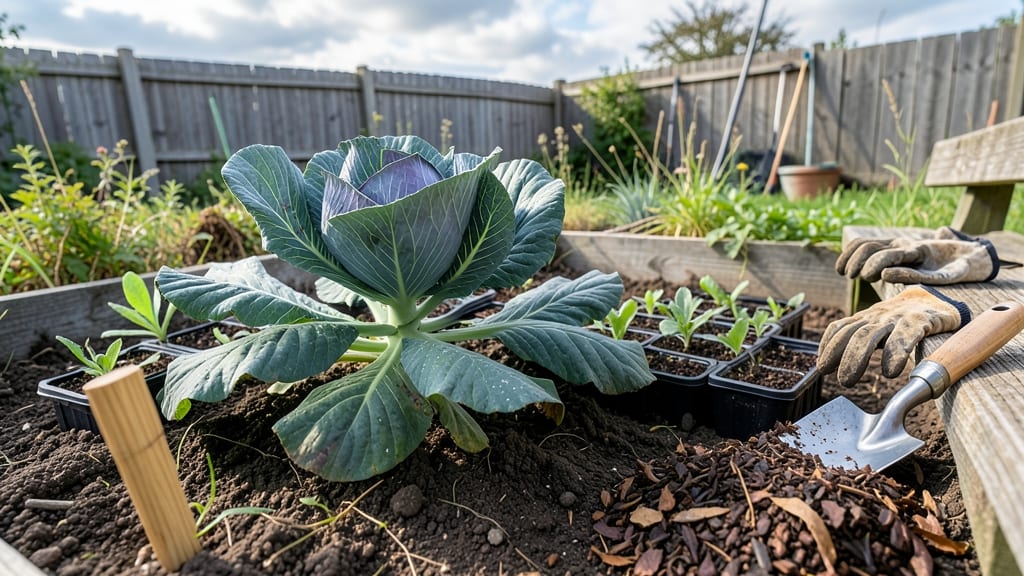
Knowing when to plant cabbage in Zone 8b can mean the difference between sweet, crisp harvests and bitter disappointment.
That’s because cabbage 🥬 thrives in cooler temperatures, and getting the timing wrong—especially in Zone 8b’s long summers—can trigger bolting, turning your plants into bitter, flowery stalks before they even form heads.
If you’ve ever watched your cabbage bolt in the heat, you know how frustrating it is. The key is planting at the right time—either in early spring or late summer—to avoid those scorching summer temperatures.
In Zone 8b, where summers linger well into September, timing is everything to ensure your cabbage matures before the first frost hits in December.
In this guide, I’ll break down the exact windows for planting cabbage in Zone 8b, whether you’re starting from seeds or transplants. You’ll learn how to adjust for your specific microclimate, whether you’re coastal or inland, and how to stagger plantings for a continuous harvest. No more guessing—just foolproof results.
Let’s get started so you can enjoy homegrown cabbage 🥬 from fall through winter without a single bolt in sight.
Optimal fall planting windows for zero-bolt cabbage in Zone 8b
Zone 8b’s mild winters and hot summers create a tricky balance for growing cabbage. The key to avoiding bolting (premature flowering) lies in planting during cool-season windows—typically late summer to early fall.
For most Zone 8b gardeners, this means starting seeds or transplanting between mid-August and mid-September to ensure harvest before winter chill sets in.
Cabbage thrives when daytime temperatures stay below 75°F, making late summer the perfect time to get seeds in the ground. If you miss this window, your plants may struggle with heat stress, leading to bitter leaves or bolting.
The goal is to have mature heads ready by first frost (around December 1), so timing is everything.
Here’s the breakdown of your Zone 8b fall planting timeline, tailored to three common cabbage maturity ranges: 60-day, 75-day, and 90-day varieties. Each requires slightly different timing to avoid bolting while maximizing yield.
| Variety Type | Direct Sow Start Date | Transplant Window | Harvest Window | Key Notes |
|---|---|---|---|---|
| 60-Day Varieties | Late August - Early September | Early September | October - November | Fastest to mature; ideal for late harvest. |
| 75-Day Varieties | Mid-August - Late August | Mid-August - Early September | Late October - December | Balanced timing for most Zone 8b gardeners. |
| 90-Day Varieties | Early August - Mid-August | Early to Mid-August | November - Early December | Best for early planting; risk of bolting if delayed. |
For direct sowing, aim to plant seeds 4-6 weeks before your target transplant date. This gives seedlings enough time to establish roots before the heat of late summer peaks. If you’re using transplants, purchase hardened-off seedlings from a nursery in early August to avoid heat shock.
Zone 8b’s microclimates can shift planting dates slightly. Coastal areas with cooler summers may extend the window by 1-2 weeks, while inland regions should plant earlier to escape heat. Always check your local frost dates—some inland Zone 8b spots may experience frost as early as November 15.
Pro tip: If you’re unsure about your exact frost date, use a succession planting strategy. Sow a small batch every 2 weeks from mid-August through early September. This spreads out your harvest and reduces the risk of losing an entire crop to bolting or frost.
Remember, soil temperature matters just as much as air temperature. Cabbage seeds need soil that’s at least 45°F to germinate. In Zone 8b, this is usually achieved by late August, but test with a soil thermometer if in doubt. Cool, moist soil prevents bolting better than warm, dry conditions.
Finally, if you’re growing savoy cabbage or Napa cabbage, these varieties tolerate slightly warmer conditions than standard green cabbage. You can push their planting window 1-2 weeks later while still avoiding bolting risks.
With these Zone 8b-specific dates, you’ll be well on your way to a bolt-free harvest—just in time for holiday feasts! 🥬
Optimal fall planting windows for zero-bolt cabbage in Zone 8b
In Zone 8b, where summer heat lingers well into September, the key to growing cabbage 🥬 without bolting lies in precise fall planting timing.
The ideal window for direct sowing or transplanting is between mid-August and early September, when soil temperatures drop below 75°F but before the first frost arrives in December.
This timing ensures your cabbage matures before winter sets in, avoiding the heat stress that triggers bolting. For 60-day varieties, you can push planting to late September, while 90-day varieties should be in the ground by mid-August to complete their growth cycle before frost.
| Variety Type | Direct Sow Start Date | Transplant Window | Harvest Window |
|---|---|---|---|
| 60-Day Varieties (e.g., 'Golden Acre') | Late August - Early September | Mid-September - Early October | October - December |
| 75-Day Varieties (e.g., 'Copenhagen Market') | Mid-August - Late August | Early August - Mid-August | September - November |
| 90-Day Varieties (e.g., 'Red Express') | Early August - Mid-August | Late July - Early August | October - December |
For direct sowing, scatter seeds ¼-inch deep in well-draining soil, spacing them 18-24 inches apart. If you prefer transplants, harden off seedlings for 7-10 days before setting them out, ensuring they’re 4-6 weeks old at transplant time.
In Zone 8b’s coastal areas, where summers are milder, you can extend planting to early October. However, inland regions with hotter microclimates should stick to mid-August to avoid heat stress.
Always check your last frost date (typically December 1) and count backward based on your variety’s days to maturity.
Succession planting every 2-3 weeks after your initial sowing ensures a continuous harvest. For example, if you plant 60-day varieties in late August, follow up with another round in early September to keep fresh cabbage coming through winter.
Remember, consistent moisture is critical during these early stages. Water deeply every 2-3 days to prevent drought stress, which can also trigger bolting. Mulch around plants with straw or shredded leaves to retain soil moisture and regulate temperature.
By following these Zone 8b-specific windows, you’ll avoid the heartbreak of bolting and enjoy crisp, sweet cabbage straight from your garden all winter long. 🌱