Plants
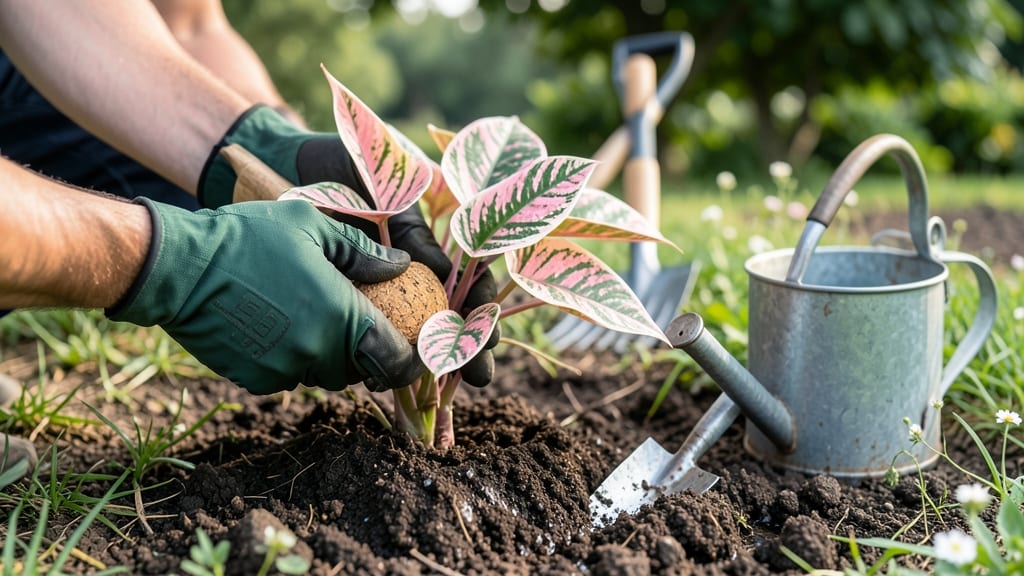
Timing your caladium bulb planting in Florida isn’t just about following a calendar—it’s about beating the heat before it beats your plants. These stunning 🌿 foliage stars need March-April to establish roots before summer’s relentless sun, but plant too late, and you’ll miss their show-stopping leaves entirely.
Florida’s 9a-11 zones give you flexibility, but regional microclimates matter. North Florida’s cooler pockets might handle February starts, while South Florida’s humidity demands patience—wait until soil warms to 65°F or risk soggy, rotting tubers. The key? Balance speed and safety.
I’ve grown caladiums here for years, and the difference between a thriving display and a sad, wilted mess comes down to one critical window. Let me show you exactly when to plant for lush, heat-resistant foliage that lasts all summer—no guesswork, just proven Florida timing.
You’ll learn the exact months for your zone, heat-tolerant varieties that won’t bolt, and soil prep tricks to outsmart Florida’s brutal sun. Ready to transform your garden into a caladium paradise? Let’s get started.
Best planting months for caladium bulbs in Florida’s climate zones
Florida’s USDA Zones 8A-11 create a unique challenge for caladiums—too early, and bulbs rot in lingering warmth; too late, and you miss peak foliage. The ideal window depends on your region’s last frost date and soil temperature.
In North Florida (Zones 8A-9A), aim for mid-March to early April when nights stay above 60°F. South Florida (Zones 10A-11) gardeners can plant as early as February, but avoid summer heat stress.
Caladiums need 4-6 weeks to establish roots before Florida’s 90°F+ temperatures hit. Planting in late April risks heat scorch before foliage emerges. The sweet spot is when soil hits 65°F—use a soil thermometer to check.
In Panhandle regions, wait until after April 15 to avoid unexpected cold snaps.
Here’s how Florida’s microclimates shift planting windows:
For container gardening, adjust timelines by 2-3 weeks earlier—pots warm faster. Use black plastic mulch in cooler zones to raise soil temps 5-10°F. In South Florida, plant February-March to avoid June-August heat, which causes leaf scorch even in heat-tolerant varieties.
Pro tip: Chit tubers indoors 4-6 weeks before planting. Place bulbs in a warm, bright spot (70-75°F) with bottom heat to encourage early sprouts. This gives you a 2-week head start on the season. Use seedling trays with well-draining mix to prevent rot during chitting.
Watch for soil moisture after planting—caladiums need consistent dampness but hate soggy conditions. In North Florida, mulch with 2-3 inches of pine straw to retain moisture. South Florida gardeners should avoid mulch in peak summer to prevent root rot from excess humidity.
Timing isn’t just about months—it’s about weather patterns. Check NOAA’s 7-day forecast for stable temps above 70°F before planting. A cold front in April can stall growth for weeks. If you’re in Zone 9A and temps dip below 55°F, delay planting until stable warmth returns.
Remember: Caladiums are tropical—they thrive in heat but despise cold. Even a light frost can kill foliage, though tubers often survive. In North Florida, treat them as annuals and dig up tubers before first frost (Nov 15-Dec 15).
South Florida gardeners can leave tubers in ground year-round with heavy mulch.
For maximum impact, time planting to align with spring rain showers. Florida’s wet season (June-October) provides natural watering, but spring planting lets you control moisture better. Aim for March-April in most regions—this gives foliage time to mature before summer’s intensity.
🌿
Best planting months for caladium bulbs in Florida’s climate zones
Florida’s USDA zones 8A-11 create a unique challenge for caladium planting—too early, and your tubers rot in cool, damp soil; too late, and you’ll miss the 6-8 week growing window before summer’s peak heat.
The ideal window is March-April, but your exact timing depends on whether you’re in North Florida’s cooler zones (8A-9A) or South Florida’s tropical heat (10A-11).
North Florida gardeners in zones 8A-9A (think Jacksonville, Gainesville) can start as early as mid-February if your soil warms to 65°F—but wait until late February to avoid frost risk.
In South Florida (zones 10A-11), where frost is rare and humidity is high, hold off until mid-April to prevent tuber rot in soggy winter soils.
🌱 Pro Tip: Use a soil thermometer—plant only when soil hits 65°F at 2 inches deep. This rule trumps calendar dates every time.
| Florida Zone | Best Planting Window | Soil Temp Threshold | Key Risk |
|---|---|---|---|
| 8A-9A (North) | Mid-February to early March | 65°F+ | Late frost damage |
| 9B-10A (Central) | Late March to April | 65°F+ | Soggy soil rot |
| 10B-11 (South) | Mid-April to May | 70°F+ | Humidity stress |
If you’re in transition zones (9B-10A), like Orlando or Tampa, aim for late March—this gives your tubers 6-8 weeks to establish roots before summer’s 90°F+ heat arrives.
I’ve seen caladiums planted in May still thrive, but they’ll be smaller and less vibrant, with leggy stems struggling to support foliage.
🌡️ Heat Alert: Caladiums won’t survive if planted when daytime highs exceed 85°F—their tubers cook in the ground. Monitor your local heat advisories and adjust your timeline if summer arrives early.
For container gardening, you’ve got more flexibility—start tubers indoors in February and transplant after April 15 once nighttime temps stay above 60°F. This trick lets you enjoy earlier blooms and extends your display into late fall.