
Plants
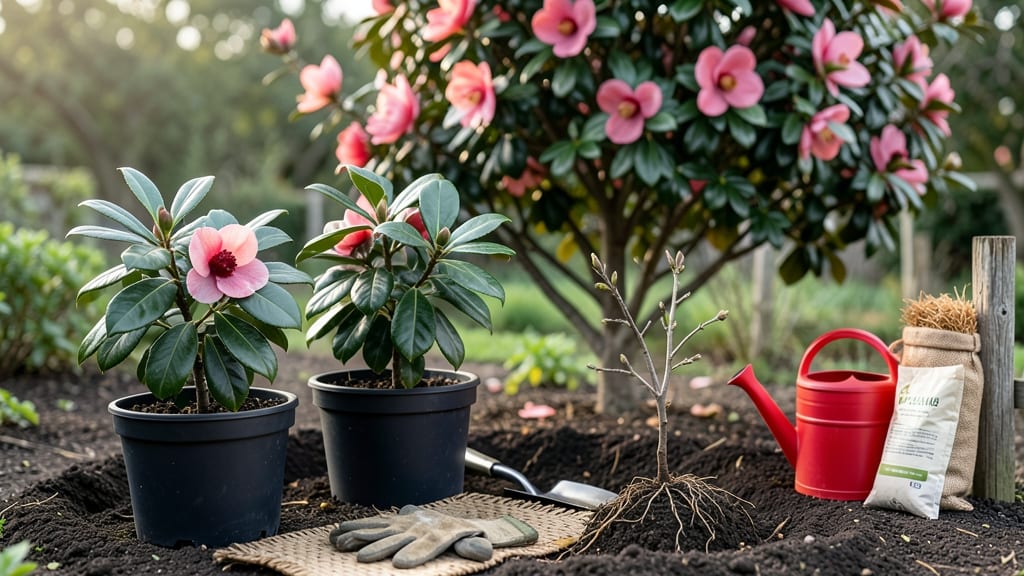
Timing your Camellia planting in North Carolina could mean the difference between a show-stopping garden and years of disappointment. These elegant shrubs thrive in NC’s 7a-8b zones, but planting them at the wrong time can stress their delicate roots—especially when those first frosts creep in around November 1.
Most gardeners swear by fall planting, between October and November, when soil stays warm but temperatures cool down. This gives your 🌸 Camellia roots time to settle before winter dormancy.
But what if you missed that window? Early spring—right around March—is your second chance, just before the last frost hits around April 15.
Here’s the catch: not all Camellia varieties play by the same rules. Spring-bloomers like Camellia japonica need extra care, while hardy Camellia sasanqua can handle a little more flexibility.
I’ll break down the best months for your specific zone—whether you’re in the coastal humidity or the Piedmont’s milder climate—so you can plant with confidence.
Ready to transform your yard into a year-round floral display? Let’s dive into the exact timing, soil prep secrets, and pro tips to keep your Camellias thriving through NC’s ever-changing seasons.
Best planting months for camellias in NC by hardiness zone
North Carolina’s diverse climate—from the coastal plains to the mountainous regions—means camellias thrive in USDA zones 6-8. But timing is everything. Plant too early, and your camellia may struggle with summer heat stress.
Plant too late, and winter frosts can damage tender roots. Here’s the exact window for your zone.
For coastal NC (zones 7b-8b), the ideal planting months are October through November, when soil temperatures cool but frost hasn’t arrived. In mountainous NC (zones 6b-7a), aim for March to early April, after the last frost but before summer’s peak heat.
These windows give roots time to establish before extreme weather hits.
Soil temperature is your secret weapon. Camellias need soil at 60-70°F for root growth. In NC, this typically aligns with fall’s cooling trend or spring’s warming soil. Use a soil thermometer to confirm—planting when temps dip below 55°F risks stunted growth.
Don’t overlook microclimates. Coastal areas near Wilmington may handle December planting with minimal risk, while the Blue Ridge Mountains demand earlier spring planting. Observe your local frost dates: most of NC sees its last frost around April 15, but elevations above 3,000 feet can delay this by weeks.
⚠️ PRO TIP: Avoid planting in July or August, when NC’s humidity and heat create transplant shock. Roots struggle to adapt, and your camellia may wilt before it even blooms.
| Zone | Best Planting Window | Soil Temp Goal | Key Consideration |
|---|---|---|---|
| 7b-8b (Coastal) | October–November | 60–70°F | Avoid summer heat; frost risk low |
| 6b-7a (Mountains) | March–Early April | 55–65°F | Wait for last frost; cooler soils |
| All Zones | Avoid June–August | N/A | High heat = transplant shock |
If you’re planting bare-root camellias, do it in fall—they establish faster before winter dormancy. Container-grown camellias, however, can handle spring planting with minimal stress. Just be sure to water deeply after planting to settle soil around roots and reduce air pockets.
For mature camellias (3+ years old), transplant in late winter or early spring when the plant is dormant. Prune back 1/3 of the foliage before moving to reduce stress. This is especially critical in zone 6a, where winters are colder. Use burlap wraps to protect roots during transport.
One common mistake? Planting camellias too deep. The root flare (where roots meet the trunk) should sit just above soil level. Burying it too deep suffocates roots and invites root rot.
Amend your soil with peat moss or pine bark fines to maintain the acidic pH (5.0–6.0) camellias crave.
Finally, mulch heavily (3–4 inches) with pine straw or wood chips to retain moisture and regulate soil temperature. This is non-negotiable in NC’s humid summers—mulch prevents soil from drying out too quickly, which is deadly for young roots.
🌱
How Camellia varieties affect planting timing in North Carolina
Not all Camellias bloom at the same time, and their planting windows shouldn’t be treated the same way. In North Carolina, your choice between Camellia japonica (spring blooms) and Camellia sasanqua (fall blooms) can shift your planting timeline by 3-4 months.
Let’s break down how each variety responds to NC’s climate and when to plant them for maximum success.
Spring-blooming Camellia japonica varieties—like the iconic ‘Nuccio’s Gem’—are frost-sensitive and need extra protection. Planting them too late in fall risks root damage from winter freezes, while early spring planting (by March) gives roots time to establish before buds form.
Fall-blooming Camellia sasanqua, such as ‘Yuletide’, are hardier and can handle later fall planting—even into December—since they bloom after winter dormancy.
| Variety | Bloom Time | Best Planting Window (NC) | Zone Adaptability | Key Consideration |
|---|---|---|---|---|
| Camellia japonica | Spring (Feb-Apr) | Early Spring (Mar-Apr) | 7b-8b (coastal) | Frost-sensitive buds |
| Camellia sasanqua | Fall (Oct-Nov) | Fall (Sep-Dec) or Early Spring | 6b-8a (mountains to coast) | Hardier, blooms post-dormancy |
| Dwarf varieties (e.g., ‘Donation’) | Spring/Fall | Fall (Oct-Nov) preferred | 7a-8b (all NC) | Slower root growth; needs extra care |
If you’re in Zone 7a (like the Piedmont), prioritize fall planting for Camellia sasanqua—their winter hardiness makes them ideal for cooler microclimates. For Camellia japonica, wait until March to avoid frost damage to tender new growth.
In Zone 8b (coastal areas), you’ve got more flexibility: plant japonica in late winter and sasanqua as late as December, thanks to milder winters.
Pro tip: Evergreen varieties (like Camellia reticulata) need extra winter protection—mulch heavily and avoid planting after November 15 in colder zones. Deciduous types (e.g., Camellia oleifera) are more forgiving but still benefit from early fall planting to establish roots before leaf drop.
Remember, soil temperature matters just as much as air temperature. Aim for soil that’s 60°F+ when planting—use a soil thermometer to check before digging. In mountain zones (6-7), wait until April for spring planting to avoid late frosts.
Your Camellia’s blooming season depends on when you plant it, but with these variety-specific guidelines, you’ll set your shrubs up for years of vibrant flowers—whether they burst into bloom in spring or steal the show in fall. 🌸