
Plants
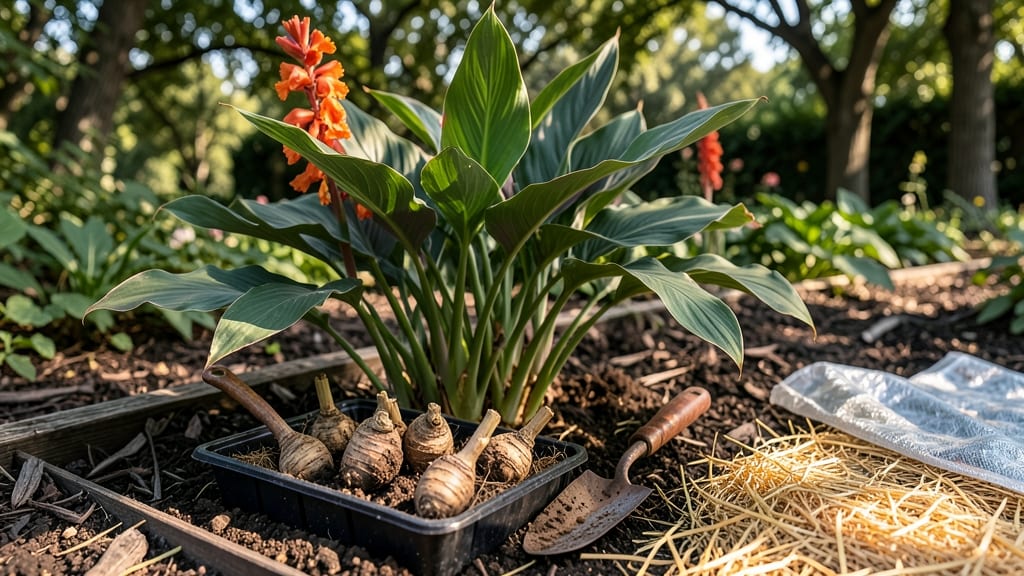
Timing your Canna Lily planting in Wisconsin can make or break your summer garden—get it wrong, and you might end up with frost-nipped bulbs or missed blooms. These tropical beauties 🌺 thrive when planted after the last frost, but Wisconsin’s unpredictable spring weather throws a wrench in the plan.
Most gardeners in USDA zones 4b-5b wait until mid-to-late May, when soil temperatures hit at least 60°F and nighttime frosts are a distant memory. But here’s the catch: planting too early risks cold damage, while waiting too long cuts your blooming season short.
I’ve tested the perfect window over the years, and the key is balancing warmth with patience. Whether you’re a first-time planter or a seasoned gardener, knowing exactly when to tuck those bulbs into the ground ensures your Canna Lily puts on its boldest show from August through October.
Let’s break down the ideal timeline, zone by zone, so you can avoid common mistakes and enjoy those vibrant blooms all season long.
Wisconsin canna planting timeline by hardiness zone (frost-free date guide)
Wisconsin’s USDA zones 3-7 create unique challenges for planting canna bulbs. These tropical beauties thrive in warmth but can’t handle frost, so timing is critical.
Most gardeners in zones 4-5 (covering Milwaukee, Madison, and Green Bay) face the toughest balance—planting too early risks frost damage, while waiting too long may shorten the blooming season.
Canna lilies need 100-150 frost-free days to mature and bloom. In Wisconsin, this means starting after the average last frost date, which typically falls between mid-April and early June, depending on your zone.
For example, zone 3 gardeners (like those in northern Wisconsin) should wait until early June, while zone 6 gardeners (southwest WI) can plant as early as late April.
Soil temperature is just as important as air temperature. Canna bulbs won’t sprout until the soil reaches 60°F (15°C). Use a soil thermometer to check—this usually happens 2-4 weeks after the last frost.
In colder zones, this delay can push planting into late May or early June, but don’t worry: cannas grow fast once established.
Here’s a quick reference for Wisconsin’s planting windows by zone, including soil temperature thresholds and estimated bloom periods:
| Zone | Last Frost Date | Optimal Planting Time | Soil Temp Threshold | Bloom Period |
|---|---|---|---|---|
| 3 | Early June | Late May - Early June | 60°F+ (consistent) | Late July - September |
| 4a | Mid-May | Early to Mid-May | 60°F+ (consistent) | Early July - October |
| 4b | Late April | Late April - Early May | 60°F+ (consistent) | Mid-June - October |
| 5a | Early May | Mid-April - Early May | 60°F+ (consistent) | Late June - October |
| 6 | Late April | Late March - April | 60°F+ (consistent) | June - November |
For gardeners in zone 3 or 4, consider starting canna bulbs indoors 4-6 weeks before your target outdoor planting date. Use grow lights or a sunny windowsill to encourage early sprouting. Once the soil warms, transplant the young shoots outdoors with their potting soil intact to avoid shock.
If you’re in zone 5 or warmer, you can push the envelope and plant as early as late March, but monitor nighttime temperatures closely. A frost cloth can buy you an extra 2-3 weeks of protection if an unexpected late frost hits.
Just remember: cannas hate cold soil, so always wait for that 60°F threshold.
Pro tip: Mulch heavily after planting to keep soil temperatures stable. Use black plastic mulch or straw—these materials absorb heat during the day and release it slowly at night, giving your cannas a warmer microclimate to thrive in.
This is especially helpful in northern Wisconsin, where soil can stay chilly well into June.
Don’t forget that cannas are perennial in zones 8+, but in Wisconsin, they’re typically treated as annuals or overwintered bulbs. If you’re in zone 5 or warmer and want to try overwintering, plant bulbs in containers for easier digging and storage.
This gives you more control over their frost protection during winter.
For a longer blooming
5 Pro tips to extend your Wisconsin canna season (even after frost)
Wisconsin’s short growing season can feel like a major hurdle for tropical plants like cannas, but with the right strategies, you can push your blooming season well into fall—or even overwinter your bulbs for next year.
The key is understanding soil warmth, frost protection, and container flexibility. Here’s how to beat the clock and keep your cannas thriving longer.
First, focus on soil warming. Cannas need soil temperatures of at least 60°F to thrive, and Wisconsin’s cool springs often delay planting. Use black plastic mulch or heat-absorbing landscape fabric to warm the soil faster.
This can shave off 2-3 weeks from your planting timeline, giving your cannas a head start before summer’s peak heat arrives.
🌱 Extend Your Canna Season: Top 5 Pro Tips
- 1. Warm soil faster with black plastic mulch (adds 10°F to soil temp).
- 2. Plant in containers for mobility—move pots indoors or under cover before frost.
- 3. Use frost cloths to protect tender foliage during light frosts (28-32°F).
- 4. Harvest bulbs early (after first frost) and store in cool, dry conditions.
- 5. Try microclimates—south-facing walls or greenhouses add 1-2 weeks of growth.
For gardeners in USDA Zones 4-5, container gardening is a game-changer. Plant cannas in large pots (12+ inches deep) so you can roll them to safety when temperatures dip.
A garage, sunroom, or even a heated porch can extend your season by 4-6 weeks. Just ensure pots have drainage holes to prevent root rot during Wisconsin’s humid summers.
Don’t underestimate the power of frost protection. While cannas can tolerate light frosts (28-32°F), prolonged cold will damage foliage. Use frost cloths or row covers to shield your plants during unexpected cold snaps.
For a hardier approach, try planting canna ‘Striped’ or ‘Tropical Sun’ varieties, which handle cooler temps slightly better than others.
If you’re ambitious, you can even overwinter canna bulbs indoors. After the first frost, cut back the foliage, dig up the bulbs, and let them dry in a cool, dark place for 2 weeks.
Store them in sphagnum moss or peat in a paper bag, and replant next spring. This trick saves money and gives you a jump on the season!
Finally, leverage microclimates in your garden. South-facing walls, brick patios, or even a greenhouse corner can add 5-10°F of warmth, pushing your cannas to bloom later.
Pair this with regular watering (cannas need 1-2 gallons per week in summer) and you’ll have vibrant blooms well into October—or even November in sheltered spots.
With these tricks, you’ll turn Wisconsin’s short season into a longer, bolder display of canna blooms. The secret? Plan ahead, protect strategically, and adapt to your microclimate. Your garden will thank you with tropical beauty that lasts well beyond the average timeline! 🌺