
Plants
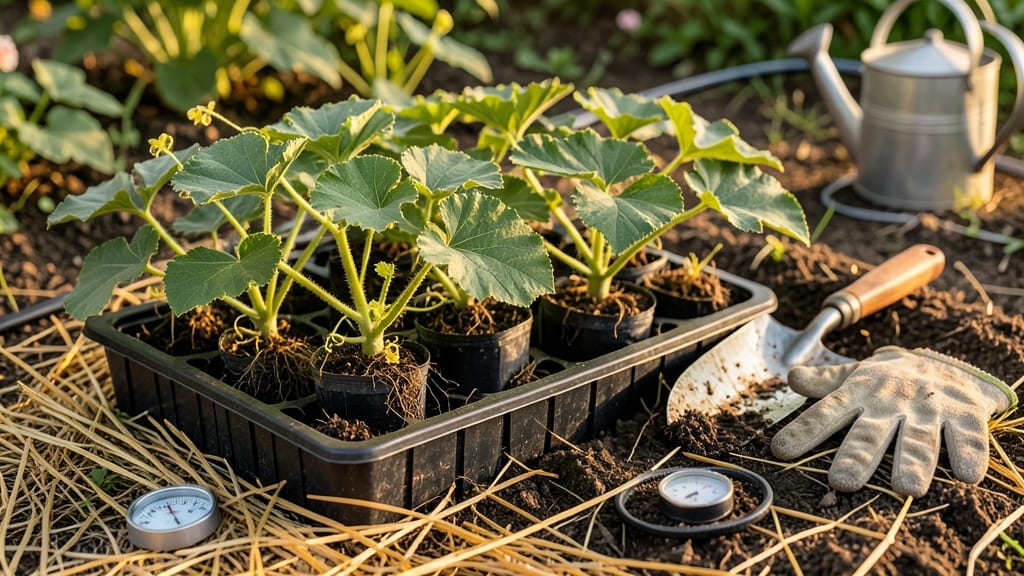
Timing your cantaloupe planting in Arizona isn’t just about the calendar—it’s about outsmarting the desert’s brutal heat and unpredictable swings. Plant too early, and your seeds will bolt before producing fruit; too late, and you’ll miss the 75-day window needed for a sweet harvest.
The key lies in waiting for soil temperatures to hit 70°F and nighttime lows to stay above 50°F, typically landing in late February through early March for most of the state.
Why does this matter? Because Arizona’s 9b climate demands precision—unlike cooler regions, your cantaloupe won’t forgive rushed starts. I’ve seen firsthand how a single week’s miscalculation can turn a thriving vine into a sad, wilted disappointment.
But get it right, and you’ll be feasting on ripe, honey-sweet 🍈 by late spring.
Here’s the game-changer: aligning your planting with Arizona’s microclimates. Low desert areas (like Phoenix) can start earlier, while high desert zones (like Flagstaff) may need to wait until April. We’ll break down the exact windows, soil prep tricks, and heat-management hacks to ensure your cantaloupe thrives—not just survives.
Ready to ditch the guesswork? Let’s turn your Arizona garden into a cantaloupe powerhouse, where every seed you plant becomes a juicy reward. I’ll show you how to time it perfectly, from seed to harvest, so you’re not left with empty vines and broken dreams.
Arizona’s ideal cantaloupe planting calendar: avoiding heat stress and bolting
Arizona’s desert climate demands precision when planting cantaloupe. The Low Desert (Phoenix, Tucson) and High Desert (Flagstaff, Prescott) have different frost-free windows, so timing is everything.
Plant too early, and cold snaps will kill seedlings. Plant too late, and scorching heat causes bolting—when plants flower prematurely for poor-quality fruit.
Cantaloupes thrive in warm soil (at least 70°F) and consistent daytime temps above 75°F. In Arizona, this means late February to early April for most regions, but High Desert gardeners should wait until mid-April to avoid surprise frosts. Let’s break down the perfect planting windows by elevation zone.
| Zone | Best Planting Window | Soil Temp Requirement | Heat Tolerance |
|---|---|---|---|
| Low Desert (Phoenix, Tucson) | Late February–Early April | 70°F+ | Moderate (needs shade in summer) |
| Transition Zone (Mesa, Sedona) | Mid-March–Early April | 70°F+ | Moderate (avoid peak July heat) |
| High Desert (Flagstaff, Prescott) | Mid-April–Early May | 65°F+ | Low (shorter growing season) |
For direct sowing, drop seeds ½-inch deep in well-draining soil after the last frost date (typically January 15 in Low Desert, March 1 in High Desert).
If you’re transplanting seedlings, wait until soil temps hit 70°F and nighttime temps stay above 50°F. Seedlings are fragile and bolt quickly in heat.
In Low Desert, aim for March sowings to harvest by June before summer’s 110°F+ temps stress the plants. Use black plastic mulch to warm soil faster and retain moisture. In High Desert, a May harvest is ideal—plant heat-tolerant varieties like ‘Ambrosia’ to extend your season.
Never plant cantaloupe in Arizona’s summer (June–August). The intense heat causes bolting (premature flowering) and bitter fruit. Instead, focus on spring plantings and use shade cloth (30–50%) if extending into late spring. This protects young vines from heat stress while they establish roots.
Pro tip: Use a soil thermometer to confirm 70°F+ soil temps before planting. Cold soil delays germination and invites fungal diseases. In High Desert, consider row covers for early plantings to shield seedlings from late frosts (which can occur until April 15).
For container growing, plant in large pots (15+ gallons) filled with well-draining potting mix. Containers warm up faster than ground soil, so you can plant 1–2 weeks earlier in Low Desert. Just ensure pots get full sun (8+ hours) and water daily in summer to prevent wilting.
Finally, mark your calendar for Arizona’s cantaloupe deadlines:
- Low Desert: Last planting by April 15 for a June harvest.
- Transition Zone: Last planting by April 30 for a July harvest.
- High Desert: Last planting by May 15 for a late July harvest.
Miss these windows, and you’ll face poor yields or no fruit at all. With the right timing, Arizona’s desert heat can actually sweeten your cantaloupes—just don’t let it get too intense too soon! 🍈
Arizona’s ideal cantaloupe planting calendar: avoiding heat stress and bolting
Arizona’s 9b climate means cantaloupe planting isn’t one-size-fits-all—what works in Phoenix’s Low Desert fails in Flagstaff’s High Desert. The difference? Soil temperatures, frost risk, and heat tolerance thresholds.
I’ve planted cantaloupes across both zones, and the timing adjustments make all the difference between a 75-day harvest and a sad, bolted vine.
Your planting window hinges on two critical factors: soil temperature (must reach 70°F) and nighttime lows (stay above 50°F). In Arizona, this typically lands between late February and early April, but your exact start date depends on elevation.
Low desert areas (like Tucson or Yuma) can begin as early as mid-February, while high desert zones (like Prescott) should wait until mid-April to avoid frost damage.
Here’s the breakdown you need to nail your timing:
| Zone | Optimal Planting Window | Soil Temp Requirement | Heat Tolerance Tip |
|---|---|---|---|
| Low Desert (Phoenix, Tucson) | Late February - Early March | 70°F+ (use soil thermometer) | Use shade cloth if temps exceed 100°F |
| Transition Zone (Mesa, Sedona) | Early March - Mid-March | 68°F+ (warmer microclimates) | Mulch with straw to retain moisture |
| High Desert (Flagstaff, Prescott) | Mid-April - Early May | 65°F+ (cooler nights) | Choose heat-tolerant varieties like 'Ambrosia' |
Direct sowing is your best bet in Arizona’s heat—transplants struggle with the shock of 100°F+ days. If you’re starting seeds indoors, transplant 2-3 weeks before your zone’s last frost date (January 15 for high desert, none for low desert).
But here’s the pro move: harden off seedlings for 7-10 days before transplanting to toughen them up for Arizona’s intensity.
Pro tip: Use a soil thermometer—don’t guess. Cold soil delays germination, while soil too hot (90°F+) causes seeds to rot. Aim for 70-85°F for optimal sprouting.
I’ve lost count of the times I’ve seen gardeners rush planting only to watch their seeds fail to germinate because the soil was still too cool.
Once planted, your cantaloupe needs 8+ hours of sun daily and consistent moisture. Water deeply in the morning to reduce evaporation, and avoid wetting the leaves to prevent fungal diseases.
With the right timing, you’ll be harvesting sweet, ripe cantaloupes by late May—just in time for Arizona’s peak heat. 🍈