Plants
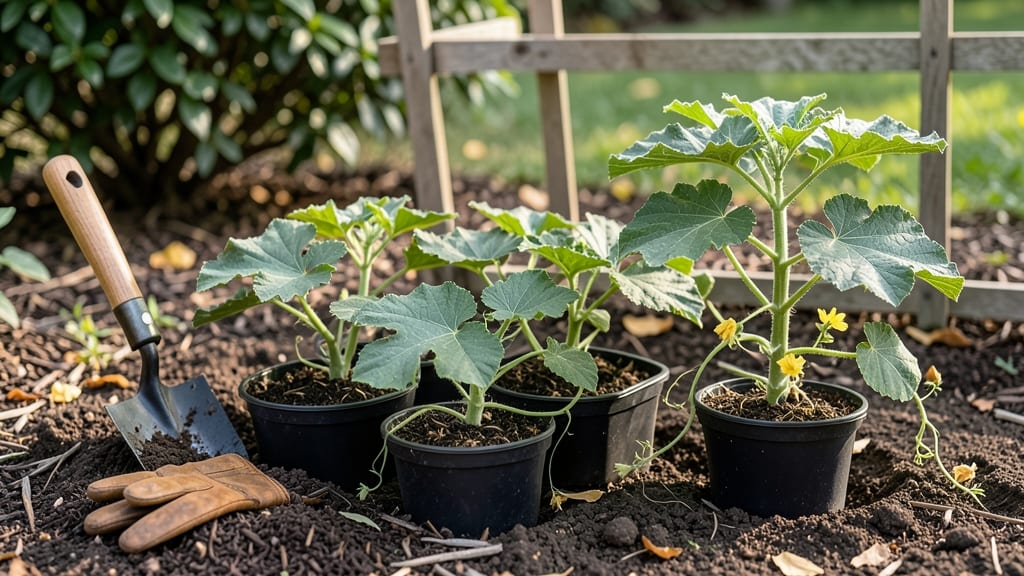
Timing your cantaloupe planting in Florida can make or break your harvest—get it wrong, and you might end up with bitter fruit or wasted effort. The secret lies in waiting for that perfect soil temperature, which isn’t just about the calendar but about the thermometer reading.
Here’s the game-changer: your cantaloupe 🍈 thrives when soil hits at least 70°F, and a simple thermometer test ensures you don’t plant too soon. Whether you’re in North Florida’s cooler zones or South Florida’s balmy climate, this rule applies—because even Florida’s warmth has its nuances.
In this guide, I’ll break down the exact planting windows for your region, how to use a soil thermometer like a pro, and why some gardeners swear by moon phases. You’ll also learn how to avoid common mistakes that leave Florida gardeners scratching their heads every spring and summer.
Ready to grow cantaloupes that taste sweeter than store-bought? Let’s dive into the science—and the shortcuts—that will turn your Florida garden into a cantaloupe powerhouse.
Optimal soil temperature for planting cantaloupe in Florida (with thermometer guide)
Florida’s frost-free climate means cantaloupe thrives year-round, but soil temperature is the real game-changer. Unlike northern states, we don’t worry about frost, but cool soil can stall germination and weaken vines. Aim for 60°F+ minimum—any lower, and your seeds may rot or sprout weakly.
For peak performance, wait until soil hits 70°F (21°C). This triggers faster germination and stronger root development. In North Florida, this usually aligns with late March, while South Florida gardeners can start as early as February. Always test with a soil thermometer—don’t guess!
A soil thermometer is your best friend. Insert it 2–3 inches deep in full sun (where your cantaloupe will grow) and check readings for 3–5 days. Early mornings are ideal—soil cools overnight, so afternoon tests can mislead you. If temps dip below 60°F at night, delay planting until consistency improves.
Here’s how Florida’s microclimates affect timing: North Florida (Panhandle, Gainesville): Wait for 70°F+ (late March–early April). Central Florida (Orlando, Tampa): Target 65°F+ (February–March). South Florida (Miami, Key West): Plant at 60°F+ (January–February).
| Region | Soil Temp Threshold | Best Planting Window | Troubleshooting |
|---|---|---|---|
| North Florida | 70°F+ (21°C+) | Late March–Early April | Use black plastic mulch to warm soil faster. |
| Central Florida | 65°F+ (18°C+) | February–March | Monitor for fungal risks in humid spells. |
| South Florida | 60°F+ (15°C+) | January–February | Watch for heat stress in summer plantings. |
If your soil runs cooler than ideal, accelerate warming with these tricks: - Black plastic mulch: Spread it 2–3 weeks before planting to raise soil temps by 5–10°F. - Clear plastic tunnels: Cover seedlings for 1–2 weeks post-planting to trap heat. - Compost piles nearby: Break them down 6 inches from planting rows to radiate warmth.
Pro tip: Transplants (not seeds) give you flexibility. Buy 4–6 week old seedlings from nurseries and pop them in once soil hits 65°F. This skips the germination gamble entirely. For direct seeding, wait until soil is consistently 70°F+ for 5+ days.
Watch for false starts—Florida’s unpredictable weather can drop temps unexpectedly. If nighttime lows dip below 55°F, delay planting or use row covers to protect young vines. Cantaloupes hate cold feet, even in Florida!
Once planted, maintain soil temps above 65°F for optimal fruit set. Use a minimum-maximum thermometer to track daily swings. If temps climb above 90°F for extended periods, provide afternoon shade to prevent blossom drop.
Remember: Soil warmth > air temperature. A sunny 80°F day with cool soil (below 60°F) will fail, while a cloudy 70°F day with warm soil (65°F+) will succeed. Test, don’t guess!
Best planting months in Florida by region (North, central, South) and moon phases
Florida’s climate varies dramatically from North to South, so your cantaloupe planting window depends on your exact location.
In North Florida (USDA Zones 8a-9a), wait until late March to early April when soil warms consistently above 70°F. Meanwhile, Central Florida (Zones 9b-10a) can start as early as mid-February, while South Florida (Zones 10b-11) gardeners enjoy a January to February planting window.
For a second harvest, late July to August works statewide, but South Florida can extend this into September with proper irrigation. The key is avoiding summer’s brutal heat during germination—young seedlings struggle when daytime temps exceed 95°F.
Moon phases also play a role in cantaloupe success. Plant during the waxing moon (when the moon is growing) for stronger roots and vines. The best phases are the first quarter (7 days after new moon) and full moon periods, which align with Florida’s March and August planting windows.
| Region | USDA Zone | Primary Planting Window | Secondary Planting Window | Moon Phase Tip |
|---|---|---|---|---|
| North Florida | 8a-9a | Late March–Early April | Late July–Early August | Waxing moon (root growth) |
| Central Florida | 9b-10a | Mid-February–March | Mid-July–August | Full moon (fruit development) |
| South Florida | 10b-11 | January–February | August–September | First quarter (strong vines) |
Pro tip: Use black plastic mulch to warm soil faster in cooler regions like North Florida. This lets you plant 2 weeks earlier and extends your harvest window by 3–4 weeks. Just remove the mulch once vines spread to prevent overheating.
Adjust for early/late varieties: Fast-maturing types like 'Athena' (65 days) can handle slightly cooler soil, while 'Hale’s Best' (80 days) thrives with perfect timing.
Always check seed packets for days to maturity and plan backward from your first frost date—though Florida rarely sees frost, heat waves can stress plants.
For container growers, start seeds indoors 4–6 weeks before your region’s outdoor planting window. Use biodegradable pots to avoid root disturbance when transplanting. Place containers in a south-facing spot with 8+ hours of sunlight daily.