
Plants
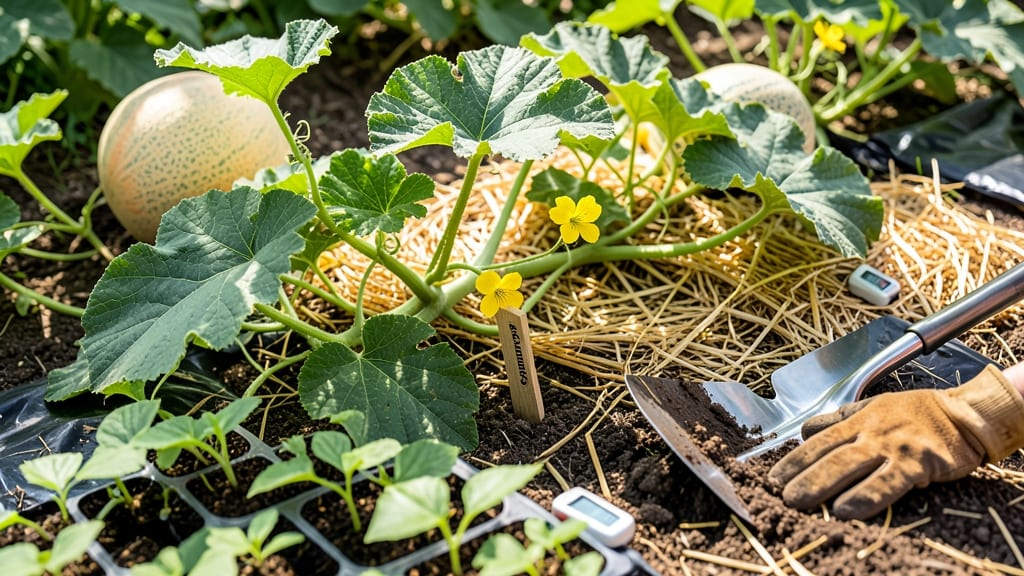
Timing your cantaloupe planting in Missouri can mean the difference between a juicy summer harvest and wasted effort. Since cantaloupe thrives in warm soil and hates cold snaps, getting the window right—typically after the last frost in late April to early May—is critical for success in zones 5b-6a.
Missouri’s climate throws a curveball with unpredictable frosts, so knowing your region’s last frost date (usually around April 15) helps avoid early failures. Whether you’re in St. Louis, Kansas City, or Springfield, soil temperatures need to hit at least 70°F before seeds go in—otherwise, you’re just waiting for disappointment.
But here’s the good news: with the right prep—like black plastic mulch to warm the soil or heat-tolerant varieties like ‘Athena’—you can stretch the growing season and still enjoy sweet, ripe cantaloupes from July through September.
Let’s break down the exact steps to nail your planting schedule and avoid common pitfalls.
From soil prep to companion planting, I’ll walk you through everything you need to turn your Missouri garden into a cantaloupe powerhouse. No more guessing—just proven strategies for a bountiful harvest.
Missouri’s frost-free deadlines for planting cantaloupe (zones 5-6)
Missouri’s last frost dates dictate when you can safely plant cantaloupe seeds, but the real magic happens when soil temperatures hit 70°F or warmer.
In most of the state (zones 5b-6a), this typically falls between late April and early May, though urban areas like St. Louis may experience frost a week later than rural Springfield.
For example, Kansas City’s average last frost is April 15, but soil in raised beds warms faster than in-ground plots. Always check your local USDA frost maps or use a soil thermometer to confirm conditions before planting.
Waiting for consistent 70°F soil temps prevents seeds from rotting in cold, damp earth.
Cantaloupe is a warm-season annual, meaning it cannot tolerate frost at any stage. If you plant too early and a late frost hits, your seedlings will die back, setting your harvest back weeks.
Missouri’s short growing season (about 165-180 frost-free days) means you need to time your planting precisely to avoid missing the harvest window.
Here’s a quick breakdown of what you need to know before pulling out those seeds:
| Region | Avg. Last Frost | Soil Temp for Planting | Best Planting Window |
|---|---|---|---|
| Northern MO (St. Joseph, Kirksville) | April 20-25 | 70°F+ (consistent) | Late May (after frost risk) |
| Central MO (Columbia, Jefferson City) | April 15-20 | 65°F+ (minimum) | Early to mid-May |
| Southern MO (Springfield, Poplar Bluff) | April 5-10 | 60°F+ (earlier risk) | Late April to early May |
| Urban Areas (St. Louis, Kansas City) | April 25-May 5 | 70°F+ (city heat delays frost) | Early May (wait for warmth) |
If you’re in doubt, use black plastic mulch to warm the soil faster—this can shave off 1-2 weeks of waiting time. For extra insurance, start seeds indoors 4-6 weeks before your region’s last frost date, then transplant seedlings once soil is ready.
This method works especially well for heat-tolerant varieties like ‘Athena’ or ‘Minnesota Midget’.
Missouri’s climate can be unpredictable, so always have a backup plan. If late frosts threaten, cover young plants with frost cloth or row covers until temperatures stabilize.
The goal is to give your cantaloupe vines a full 70-90 days of warm weather to mature—any less, and you’ll end up with bitter, underdeveloped fruit.
Pro tip: Mark your calendar for the first frost date (usually October 15 in most of Missouri). Count backward from this date to determine how many days you have for your cantaloupe to grow. This helps you avoid planting varieties that won’t mature in time.
For example, if your first frost is October 15 and you plant on May 15, you have about 150 days to harvest. Choose varieties with a maturity range of 70-85 days to fit this window.
Varieties like ‘Hale’s Best’ (75 days) or ‘Ambrosia’ (80 days) are great fits for Missouri’s climate.
Finally, remember that microclimates matter. A south-facing slope or a sunny urban patio can warm up faster than a shaded backyard. Use these advantages to your benefit by planting in the warmest spots first.
With the right timing and a little preparation, you’ll be slicing into homegrown cantaloupe by midsummer.
How to extend the cantaloupe growing season in Missouri’s short summers
Missouri’s summers are short but intense, and cantaloupe needs at least 80 days from planting to harvest. If you miss the ideal late April to early May window, don’t despair—there are proven ways to stretch your growing season and still enjoy homegrown cantaloupes until early September.
One of my favorite tricks is using black plastic mulch, which warms the soil faster and suppresses weeds. Lay it down 2-3 weeks before planting to jumpstart germination and give your vines a head start.
For gardeners in cooler microclimates, row covers are a game-changer. Lightweight fabric creates a mini greenhouse effect, protecting young plants from late frosts while still allowing sunlight and airflow. Just remove covers once flowers appear to prevent heat stress.
🌱
- 🌡️ Use black plastic mulch to raise soil temps 5-10°F faster than bare ground.
- 🌿 Plant heat-tolerant varieties like ‘Athena’ (70 days to maturity) or ‘Minnesota Midget’ (ideal for short seasons).
- 🛡️ Try row covers for early starts, removing them when flowers appear to prevent heat buildup.
- 📅 Successive planting every 2 weeks after the last frost for staggered harvests through August.
- 🪴 Grow in containers near south-facing walls to capture extra heat and extend the season by 2-3 weeks.
Another smart strategy is succession planting. Instead of putting all your seeds in at once, stagger plantings every 2 weeks after the last frost. This ensures a continuous harvest from July through early September, even if an early frost threatens.
If you’re in a cooler part of Missouri, consider container gardening. Growing cantaloupe in large pots (at least 5-gallon size) near south-facing walls can add 2-3 extra weeks to your season. Just use lightweight potting mix and water consistently—containers dry out faster!
Finally, don’t overlook companion planting. Pairing cantaloupe with marigolds or nasturtiums deters pests, while bush beans or corn provide shade for young vines. These partnerships help plants thrive even in Missouri’s unpredictable weather.
☀️