Plants
Planting cantaloupe in Zone 8b at the wrong time can mean the difference between a bountiful harvest and wasted effort. This sweet, fragrant 🍈 thrives when soil temperatures hit at least 70°F, but rushing it too soon can stunt growth or invite frost damage.
The key is timing—planting 2-4 weeks after your last frost date (typically mid-March in 8b) gives seedlings the warm start they crave.
Why does timing matter so much? Cantaloupes are heat-loving annuals that need 75-90 days of consistent warmth to ripen. Plant too early, and cool nights slow development; wait too long, and you might miss the optimal harvest window of July-September.
The solution? Start seeds indoors 3-4 weeks before transplanting to beat the race against time.
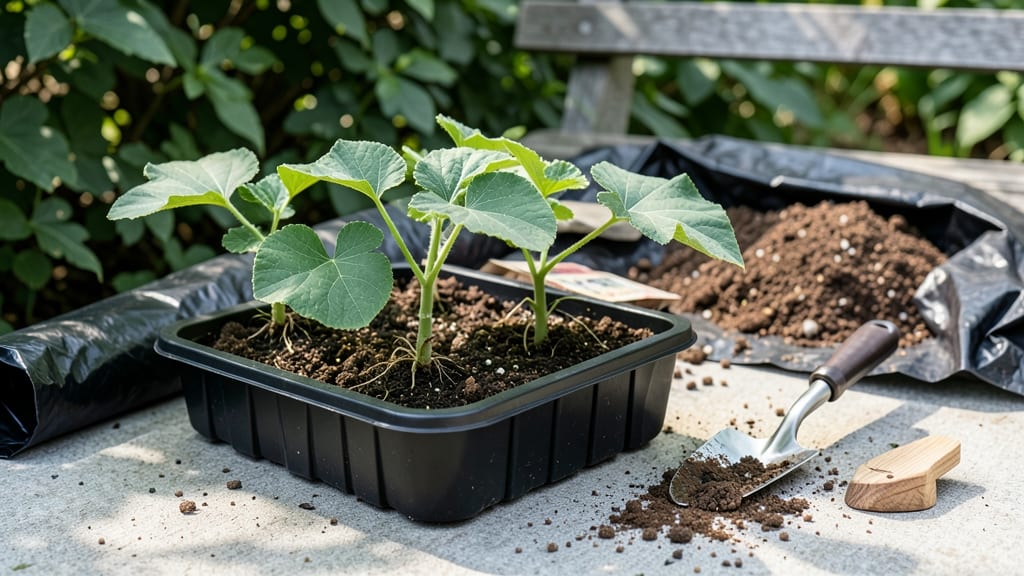
In Zone 8b, where winters are mild but springs can be unpredictable, adjusting for microclimates makes all the difference. A south-facing patch warms faster than a shaded corner, and black plastic mulch can raise soil temps by 5-10°F—a game-changer for early starts.
Let’s break down the exact steps to sync your planting with your climate for the best possible yield.
Whether you’re a seasoned gardener or trying cantaloupes for the first time, getting the timing right is the most important factor. I’ll show you how to calculate your frost-free date, choose the right varieties, and even troubleshoot common mistakes—so you can enjoy homegrown sweetness without the guesswork.
Zone 8b cantaloupe planting timeline: exact weeks before last frost for optimal growth
In Zone 8b, cantaloupe needs precise timing to thrive—plant too early, and cold soil stunts growth; too late, and you’ll miss the harvest window. The key is aligning your planting with soil temperatures above 70°F and frost-free dates (typically mid-January to mid-November).
For most of Zone 8b, this means starting seeds indoors 4-6 weeks before your last frost date (around late February to early March).
Direct sowing outdoors should wait until 2-3 weeks after your last frost date, usually mid-to-late March. Cantaloupe is a warm-season crop, so rushing it can lead to poor germination or weak vines. Patience here pays off with sweeter, more abundant fruit.
Here’s the breakdown of your Zone 8b cantaloupe planting schedule, tailored to both transplanting seedlings and direct sowing:
| Stage | Action | Zone 8b Timeline | Soil Temp |
|---|---|---|---|
| Start Seeds Indoors | 4-6 weeks before last frost | Late February - Early March | 60-65°F |
| Transplant Seedlings | After last frost, soil >50°F | Mid-to-Late March | 50-60°F |
| Direct Sow Outdoors | 2-3 weeks after last frost | Late March - Early April | 70°F+ |
| Harvest Window | 75-90 days after planting | Late July - Early September | N/A |
For Zone 8b gardeners, the last frost date is critical. Most areas experience their final frost around January 15, but microclimates (like urban heat islands or valley floors) can shift this by 1-2 weeks. Use a frost calendar or local weather data to fine-tune your schedule.
If you’re growing early-maturing varieties (like ‘Ambrosia’ at 70 days), you can push planting to early April for a late-summer harvest. For heat-tolerant varieties (like ‘Hale’s Best’), extend planting to mid-April for a fall harvest before the first frost in November.
Pro tip: Use black plastic mulch or row covers to warm soil faster if you’re eager to plant earlier. This can shave off 1-2 weeks from your waiting game and give cantaloupe vines a head start on warmth.
Remember, cantaloupe plants need 6-8 hours of sunlight daily and well-draining soil. If your garden gets afternoon shade, consider container growing near a south-facing wall to maximize sun exposure.
Timing isn’t just about the calendar—it’s about soil temperature. Use a soil thermometer to confirm readings of 70°F or higher before planting. Cold soil slows germination and weakens roots, setting your cantaloupe up for failure.
For a second harvest, try succession planting in early May with fast-maturing varieties. This extends your cantaloupe season and ensures you’re not overwhelmed with fruit all at once.
🌱
Zone 8b cantaloupe planting timeline: exact weeks before last frost for optimal growth
In Zone 8b, cantaloupe seeds should never hit cold soil—soil temperatures below 60°F stunt germination completely. The average last frost date for most of Zone 8b falls around mid-March, but I recommend waiting until 2-4 weeks after that date to plant.
This gives your soil time to warm to the 70°F+ range cantaloupes crave.
For direct sowing, aim for late March to early April—this aligns with when daytime highs consistently reach 75°F+. If you’re transplanting seedlings, start them indoors 3-4 weeks before your target outdoor date (so mid-February to early March) using biodegradable pots to avoid root shock.
Here’s the exact timeline I follow for maximum yield in Zone 8b:
| Stage | Action | Zone 8b Window |
|---|---|---|
| Indoor Seed Start | Sow seeds in biodegradable pots | Mid-February to early March |
| Hardening Off | Acclimate seedlings to outdoor temps | Late February to March |
| Transplant Outdoors | Plant after last frost, soil ≥70°F | Late March to early April |
| Direct Sow | Plant seeds directly in warm soil | April 15–May 1 |
| Harvest Ready | Melons ripe with creamy rind | July–September |
Pro tip: Use a soil thermometer to confirm temps—cantaloupe seeds won’t germinate below 65°F, even if the air feels warm. I’ve seen seedlings rot in 60°F soil despite sunny days. For extra warmth, lay down black plastic mulch 1-2 weeks before planting to raise soil temps by 5-10°F.
If you’re in the northern edge of Zone 8b (e.g., near the Tennessee Valley), err on the later side—April 15 is safer than March. Conversely, in southern 8b (e.g., parts of Texas or Florida), you can start as early as mid-February with row covers for frost protection.
Remember: Cantaloupes need 75-90 days of warmth to mature. Planting too late risks overripe melons by frost season. My sweet spot is transplanting by April 1st—this ensures harvests peak in mid-summer when temps are ideal.