
Plants
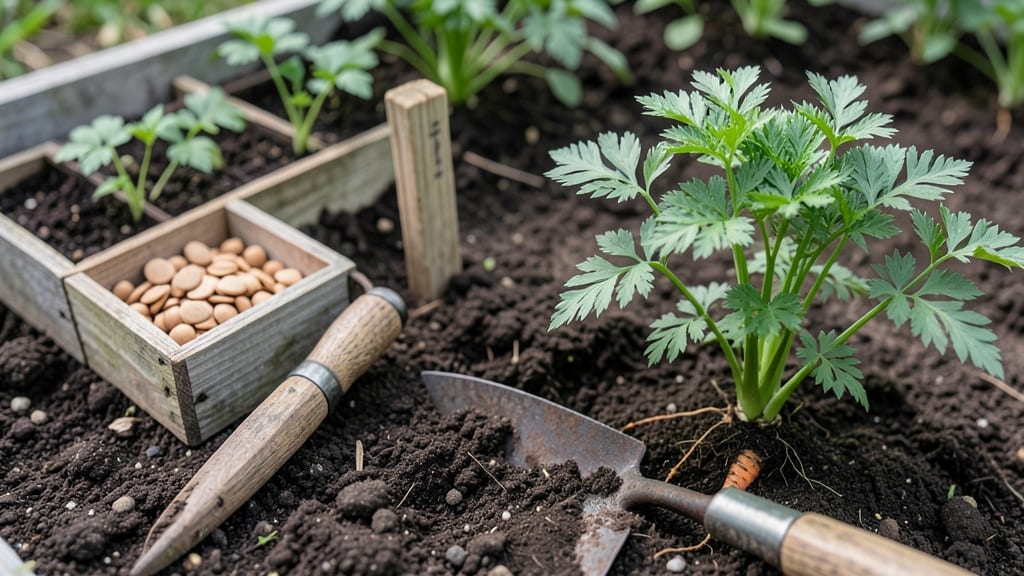
If you’ve ever planted 🥕 carrots in Central Florida and ended up with bitter roots or leggy greens, you’re not alone—timing is the secret weapon most gardeners overlook.
The key to sweet, crisp carrots lies in beating the heat by planting during the coolest months, when soil stays loose and pests like nematodes are less aggressive.
For Central Florida’s Zone 9a climate, the ideal window stretches from September through October for a fall harvest, or February to March for spring. These months offer the perfect balance of warmth and moisture, avoiding the extreme heat that causes carrots to bolt or split.
But here’s the twist: even within these windows, microclimates like Orlando’s humidity or Tampa’s coastal breezes can shift your strategy.
What you’ll discover is how to sync planting with Florida’s frost-free days (275+ in most areas) and use shade tricks to extend your growing season.
Whether you’re a first-time gardener or a seasoned pro, these insights will help you grow carrots that taste like they came from a farm stand—not a gamble.
Let’s dive into the exact schedule, soil prep secrets, and shade hacks that’ll turn your Central Florida garden into a carrot powerhouse—no matter how unpredictable the weather gets.
Best planting months for carrots in Central Florida’s climate zones
Central Florida’s USDA Zone 9a climate offers two prime windows for growing carrots—fall and spring—but timing is critical. The fall planting window (late August to October) aligns with cooling temperatures, while spring planting (February to March) avoids summer’s brutal heat.
Miss these windows, and you risk bolting (premature flowering) or stunted growth.
In Orlando, Tampa, and Gainesville, microclimates vary slightly. Coastal areas like Tampa stay warmer longer, while inland zones like Gainesville cool faster. I’ve grown carrots in all three regions, and the soil temperature is your best guide: aim for 60–70°F for optimal germination and root development.
Here’s the exact schedule that works for my garden—adjust based on your local frost dates. The first frost in Central Florida typically hits around mid-December, while the last frost occurs near mid-January. Plant too early, and your carrots may rot; too late, and they’ll bolt before harvest.
For fall planting, I start seeds in late August to early September for a November–January harvest. This gives roots enough time to mature before winter chills set in.
In spring, I plant seeds in late February to early March for a May–July harvest, avoiding the peak summer heat.
Now, let’s break down the ideal planting months, soil conditions, and heat tolerance thresholds for Central Florida’s unique climate:
| Season | Planting Window | Soil Temp (°F) | Heat Tolerance | Harvest Window |
|---|---|---|---|---|
| Fall | Late August–Early October | 60–75°F | Moderate (avoid >85°F) | November–January |
| Spring | Late February–Early March | 55–65°F | Low (bolts at >80°F) | May–July |
| Summer (Risky) | June–July (with shade) | 70–78°F (max) | Very Low (high bolting risk) | September–October |
If you’re in Tampa’s coastal zone, your soil stays warmer longer, so push fall planting to early October and spring planting to early April. Inland areas like Gainesville can handle late September fall plantings and mid-February spring starts. Always test your soil’s drainage—carrots hate soggy roots!
For summer planting (June–July), I only recommend it with 30–50% shade cloth to prevent bolting. Choose short-day varieties like ‘Little Finger’ or ‘Paris Market’ for better heat tolerance. Even then, expect smaller yields and more pest pressure from nematodes and aphids.
To maximize success, I stagger plantings every 2–3 weeks during the ideal windows. This ensures a continuous harvest and reduces the risk of losing an entire crop to bolting or pests.
For example, plant a batch in late August, another in early September, and a final one in mid-September for a 3-month harvest.
One common mistake I see is planting carrots in rocky or compacted soil. Central Florida’s clay-heavy soil can cause forked roots if not amended with compost or sand.
Loosen the soil to a depth of 12 inches and mix in organic matter before sowing. This also helps prevent root-knot nematodes, a persistent issue in Florida gardens.
Finally, keep an eye on moisture levels. Carrots need consistent watering to grow straight and sweet, but they’ll rot if overwatered. Aim for 1 inch of water per week, delivered in the morning to reduce evaporation. Mulch with straw or grass clippings to retain moisture and suppress weeds.
How to extend carrot growing season with shade and succession planting
Central Florida’s summer heat (often hitting 90°F+) forces carrots to bolt or develop bitter flavors. But with the right shade strategies and succession planting, you can grow carrots almost year-round—even during the dog days.
The trick is creating a cooler microclimate for your roots while avoiding the nematode pressure that spikes in summer.
Start by using 30-50% shade cloth over your carrot beds during peak afternoon sun (12 PM–4 PM). This reduces soil temps by 10-15°F, preventing bolting. For containers, opt for lightweight fabric shades that allow airflow—plastic traps too much heat.
Pair this with drip irrigation to keep soil consistently moist without overheating the foliage.
Sow new seeds every 14 days from September to March to ensure a continuous harvest. Use short-day varieties (e.g., ‘Paris Market’) for faster turns.
Basil’s scent repels carrot flies and nematodes while improving flavor. Space basil plants 12 inches from carrot rows.
Straw or black plastic mulch keeps soil temps 10°F cooler and suppresses weeds. Replenish every 4-6 weeks to maintain coverage.
Corn or sunflowers cast natural shade in late afternoon. Position carrot beds north of these plants to avoid competition.
Pull 30-40 day varieties (e.g., ‘Little Finger’) when roots are 1-2 inches long to avoid heat stress. This buys you 2 extra harvests per season.
For summer planting attempts (June-July), focus on shorter-season varieties like ‘Early Nantes’ and pair them with 50% shade cloth. Water deeply at sunrise to prevent wilting, and avoid fertilizing—carrots prioritize root growth over foliage in heat.
Even with these precautions, yields may drop by 30-40%, so treat summer as a supplemental rather than primary crop.
Pro tip: Mark your shade cloth stakes with a white stripe facing north to maximize light diffusion. This small tweak can boost germination rates by 20% in hot months. Combine this with succession planting, and you’ll enjoy fresh carrots from November through May—even in Central Florida’s toughest microclimates.
🌱